Top Emergency Plumbers in Rural Retreat, VA, 24368 | Compare & Call

There are 10 plumbing companies server in Rural Retreat VA
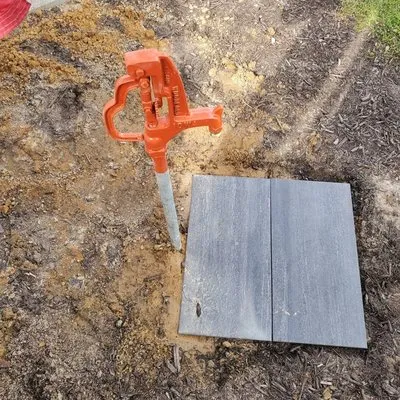
DeAtley Plumbing is a family-owned plumbing service based in Christiansburg, VA, with over 15 years of experience serving Southeastern Virginia. We specialize in a comprehensive range of plumbing serv...
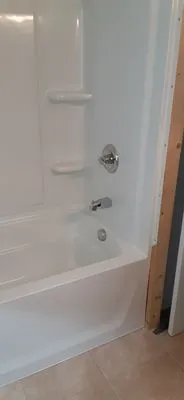
R Plumbing has been the trusted local plumbing company in Dugspur and the surrounding area for over 40 years. As an owner-operated business, we provide quality, professional plumbing services for both...
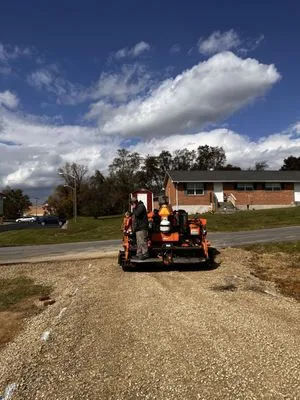
Cullip Services is a family-owned and operated contracting business serving Dublin, VA, and the New River Valley. Led by Andrew (known as Drew to friends and family), the company brings a take-charge ...

K & C Plumbing is your trusted local plumber serving Woodlawn, VA, and the surrounding communities. We specialize in the full spectrum of residential plumbing services, from faucet, sink, and toilet r...

Rapids Serve
Rapids Serve is a locally owned and operated plumbing and appliance service company in Barren Springs, founded by David Ayron Davis. After a career shift from professional boxing, David channeled his ...
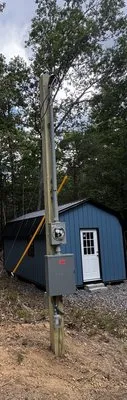
B Webb Electric And Plumbing is a trusted, full-service contractor serving homeowners throughout Galax, VA, and the surrounding Blue Ridge region. We specialize in both electrical and plumbing work, o...
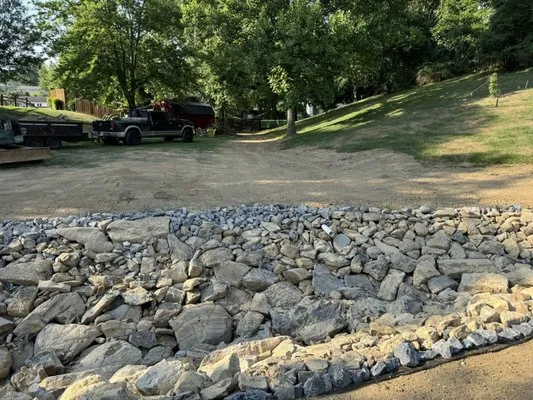
Pipes & Drains Plumbing is your trusted, local plumbing expert in Sugar Grove, VA. We understand that many homes in our area face common issues like pipe corrosion and broken shutoff valves, which can...
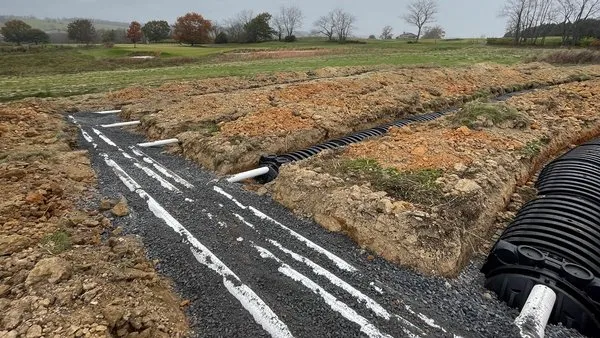
Complete Plumbing Septic & Drain Solutions
Complete Plumbing Septic & Drain Solutions is a family-owned plumbing and septic service company based in Abingdon, VA, with over 25 years of experience serving Washington County and Smyth County. As ...

C G Pruitt Construction
C G Pruitt Construction is a trusted, full-service construction and plumbing company serving Marion, VA and the surrounding communities. With expertise spanning from bathtub and shower installations t...

R & R Septic & Porta-Toilets is a family-owned and operated business serving Wytheville and the surrounding region for over two decades. With a dedicated fleet and a team of licensed, insured professi...
Estimated Plumbing Costs in Rural Retreat, VA
Frequently Asked Questions
Why are houses in Rural Retreat's historic district suddenly getting plumbing leaks?
The original copper plumbing in many of these homes, installed around 1973, is now 53 years old. At this age, copper naturally thins from decades of water flow, especially with our hard water. Homeowners along Main Street are now seeing pinhole leaks and joint failures that were statistically unlikely a decade ago. It’s a predictable lifecycle issue for the era of construction.
Could the hilly land near the Depot be causing my drainage problems?
Absolutely. The sloping terrain common here directs surface water and can put constant, uneven stress on the main sewer line running from your house to the street. Over decades, this stress can lead to bellies or separations in the line. Soil saturation from runoff, especially downhill from areas like the Depot, further complicates drainage and can lead to basement or crawl space water issues.
What is the most common plumbing failure in a 1970s Rural Retreat home?
For copper systems from 1973, the signature failure is pinhole leaks caused by erosion corrosion. Hard water accelerates this by creating scale that traps corrosive elements against the pipe wall. You’ll often find these leaks first at solder joints or in horizontal runs where sediment settles. It’s a systemic issue, not just a random leak.
Do I need a permit to replace my water heater in Wythe County?
Yes, Wythe County Building Inspections typically requires a permit for a water heater replacement due to the safety and code implications. As a Master Plumber licensed by the Virginia Department of Professional and Occupational Regulation, I pull all required permits and schedule the inspections. My license means the work is certified to meet Virginia Uniform Statewide Building Code standards, so you don't have to navigate that red tape yourself.
Does water from Rural Retreat Lake damage my water heater?
Yes, indirectly. The lake feeds a system with very hard water, meaning high mineral content. Those minerals, primarily calcium and magnesium, form scale buildup inside your water heater tank and on its heating elements. This insulating layer forces the heater to work harder, shortening its lifespan and increasing your energy bills significantly over time.
What should I do with my pipes before a cold snap in Wythe County?
Our temperate climate means pipes in crawl spaces or against exterior walls are vulnerable when lows hit 24°F. Before a freeze, disconnect and drain outdoor hoses and shut off the interior valve to exterior spigots. Let a cold faucet drip slightly during the deepest freeze, as moving water is much harder to ice up. The spring thaw can be just as problematic, shifting foundations and stressing old pipe connections.
How quickly can a plumber get to my house in Rural Retreat?
My typical dispatch route heads past the Rural Retreat Depot to access I-81, which is the main artery for the area. From there, it's about a 45 to 60 minute drive to most parts of the county, depending on your specific road. I plan routes to minimize your wait, but the rural landscape means travel time is a real factor to account for.
Are septic and well systems different to repair than town water and sewer?
They require a different expertise. For well systems, the pump, pressure tank, and water quality are the focus. A failing pressure switch or a silted-up well screen can mimic other plumbing problems. Septic issues often manifest as slow drains or backups, but the solution is in the drain field or tank, not your house pipes. Understanding the whole private system is critical for an accurate, lasting repair in a rural setting.
