Top Emergency Plumbers in Prince George, VA, 23875 | Compare & Call

There are 143 plumbing companies server in Prince George VA
Drake Plumbing has been a trusted fixture in Ivor, Virginia, for over 15 years. We provide dependable plumbing solutions for both homes and businesses, focusing on clear communication and lasting resu...

House Healers, founded in 2014 by former Marine Matt Arbas, is a Virginia Beach-based residential contractor. With over 18 years of construction experience and Class A licensing, Matt uniquely holds c...
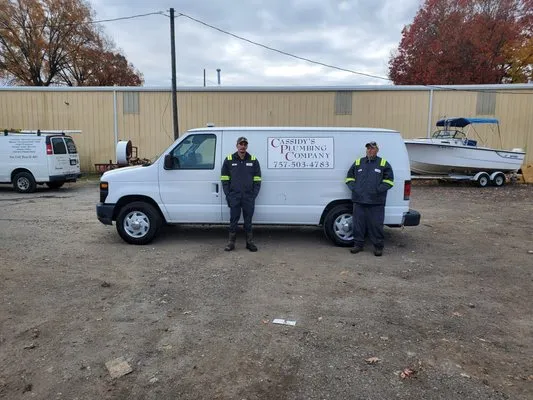
Cassidy's Plumbing & Septic is a locally owned and operated plumbing service based in Hampton, Virginia. For years, we've been the trusted call for Hampton homeowners facing a wide range of plumbing a...
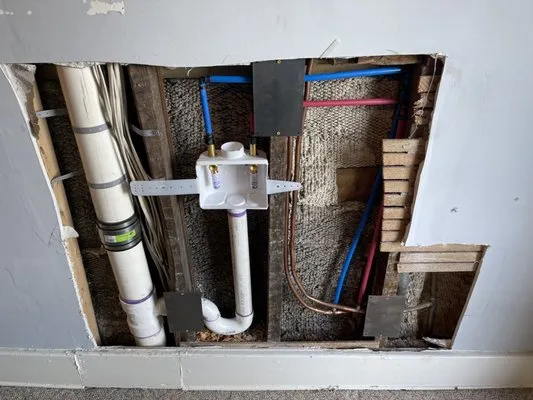
The Plumbing Officials is a locally owned plumbing service in Richmond, VA, with over 30 years of experience in the construction industry. We provide 24/7 emergency services for both residential and c...
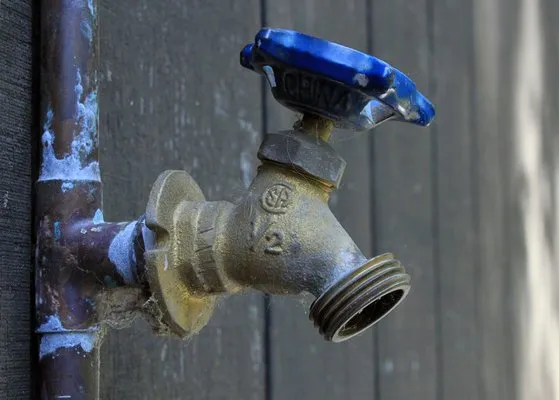
Harry's Plumbing has been serving Richmond, VA, and surrounding areas since 2008, providing reliable plumbing services with a focus on quality and honesty. With over 25 years of industry experience, o...
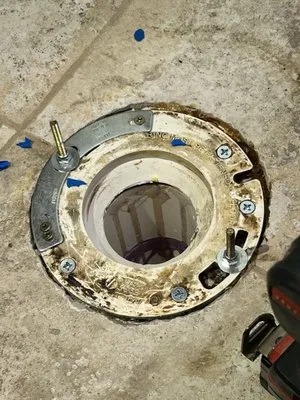
Founded on a commitment to peace of mind, OCD Handy Services brings over 31 years of plumbing expertise to homes in Henrico and the surrounding Glen Allen area. The owner's personal dedication stems f...

1-800-Plumber +Air
At 1-800-Plumber +Air Richmond, our priority is providing comprehensive, reliable plumbing and HVAC solutions for your Midlothian home. We understand that a malfunctioning system disrupts your day, wh...
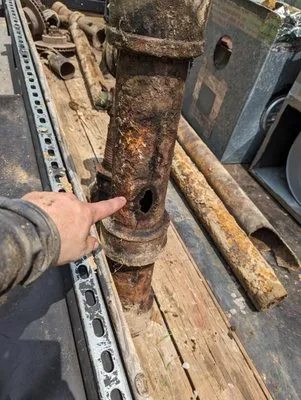
9 Yards Plumbing and More is a veteran, family-owned plumbing business that has been serving Chesterfield, VA, and the Greater Richmond area for over 30 years. We provide reliable plumbing, gas line, ...

B l Plumbing is a trusted, full-service plumbing company serving Richmond, VA, and surrounding areas. We specialize in a comprehensive range of residential and commercial plumbing services, including ...
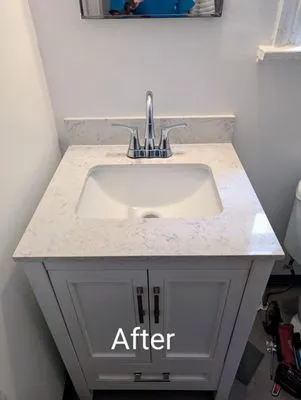
H2O Pro is a trusted plumbing service provider serving Richmond, VA homeowners with comprehensive solutions for common local plumbing issues. Specializing in both installation and repair, we address f...
Estimated Plumbing Costs in Prince George, VA
Question Answers
My copper pipes are from 2002 - what should I watch for now?
Copper pipes installed around 2002 are now 24 years old. Homeowners in Prince George Court House often notice pinhole leaks developing at joints or fittings. This happens because the protective oxide layer inside the pipes has worn thin over decades of water flow. You might see small green stains around pipe connections or hear dripping sounds in walls. Regular inspections can catch these issues before they become major water damage problems.
How does the flat land around Prince George affect my drainage?
The plain terrain around Prince George County Regional Heritage Center means water doesn't drain away from foundations as quickly. This puts constant hydrostatic pressure on your main sewer line. Over time, soil saturation can cause pipe joints to separate or the line to sag. Proper grading around your home's foundation and regular drain cleaning prevent backups from this terrain characteristic.
Who handles permits for plumbing repairs in Prince George County?
Prince George County Building Inspections requires permits for most plumbing work. As a Virginia Board for Contractors licensed master plumber, I submit all necessary paperwork and schedule inspections. This includes pressure tests on new pipe installations and approvals for water heater replacements. Handling this red tape ensures your repairs meet current code requirements without you navigating bureaucracy.
How quickly can a plumber reach my home in Prince George?
Heading past Prince George County Regional Heritage Center on I-95 gets me to most homes in 45-60 minutes. I keep my truck stocked with common copper fittings and repair materials specific to our area. Knowing the back roads around Prince George Court House helps avoid traffic delays. This dispatch route means I can assess and begin repairs shortly after your call.
Does Appomattox River water damage my plumbing fixtures?
Water from the Appomattox River contains minerals that create hard water scaling throughout your plumbing system. This buildup reduces water pressure at fixtures and causes premature failure of water heater elements. Scale accumulation in showerheads and faucet aerators is common. Installing a whole-house water softener or using vinegar treatments on affected fixtures can mitigate these effects.
As a rural homeowner, what unique plumbing issues should I expect?
Rural properties around Prince George typically have well and septic systems rather than municipal connections. Well pumps require maintenance every 3-5 years, and septic tanks need pumping every 3-5 years depending on household size. Pressure tanks can develop bladder failures, and septic drain fields can clog from improper use. Regular servicing of these systems prevents costly emergencies.
What should I do before spring thaw to prevent plumbing problems?
With temperatures dropping to 28°F and spring thaw creating pressure surges, insulate exposed pipes in crawl spaces and attics. Drain outdoor spigots before freezing weather arrives. Check that your main water shutoff valve operates smoothly. These precautions prevent burst pipes during temperature swings common in our temperate climate.
Why do my 2002 copper pipes keep developing leaks?
Copper pipes from that era often experience joint calcification and pinhole leaks after two decades of service. The solder joints between sections can accumulate mineral deposits that create weak points. Water chemistry in our area accelerates this process. Proper repair involves cutting out affected sections and installing new copper with dielectric unions to prevent future corrosion.
