Top Emergency Plumbers in One Loudoun, VA, 20147 | Compare & Call

There are 238 plumbing companies server in One Loudoun VA
Philios Plumbing & Drains is a locally owned and licensed plumbing service serving Bailey's Crossroads and the surrounding communities. We specialize in solving urgent plumbing problems, from sewer ba...
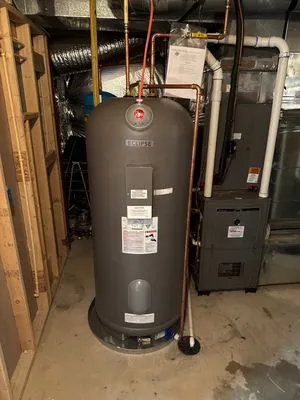
Reddick & Sons
Reddick & Sons is a family-owned and operated Class A contractor based in Manassas, VA, proudly serving Northern Virginia since 2009. Founded by Daniel Reddick, a Prince William County native who hold...
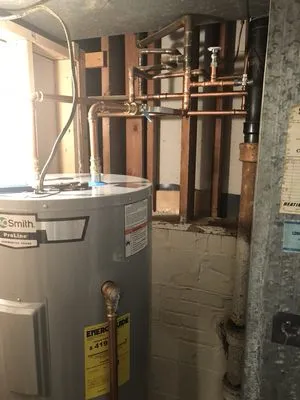
MJW Plumbing Company is a locally owned and operated plumbing service in Great Falls, founded by Michael Whitecotton. A Vienna, VA native, Michael became a certified Master Plumber in 2012 and built h...
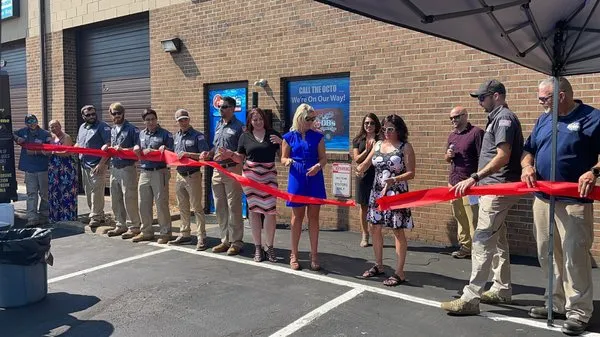
DB's Plumbing and Drain
DB's Plumbing and Drain is a family and military-owned business founded in Woodbridge by David Buky. After years in the industry, David saw a need for a more personal, service-focused approach. He bui...
Home Service Pros is a trusted, locally-owned contractor serving Alexandria, VA, and the greater Northern Virginia region. Founded by Greg Schick and built from the merger of Quality Sewer & Drain and...
Two Irish Plumbers, formerly Nova Home Professionals, is a fully licensed and insured plumbing company serving Alexandria, VA. Owned and operated by Steven Katz and Ian Harris, we bring over 20 years ...

HD Plumbing Service is a trusted, locally-owned plumbing company serving Arlington, VA, and the surrounding communities. We are a team of licensed, experienced plumbers dedicated to solving residentia...
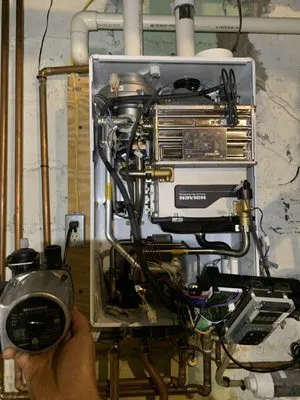
Bob and Kur Plumbing is a family-owned and operated Arlington business founded in 2021 by an experienced plumber with over a decade in the industry. As a father, husband, and son, Bob brings a persona...

Triple State Plumbing Services is a licensed plumbing company serving Arlington, VA, and surrounding areas. We specialize in residential plumbing installation, repair, and maintenance, with a focus on...

Founded by a third-generation Marine and Master Plumber, Marines Service Co. is a veteran-owned business built on the core values of service, honesty, and integrity learned in the US Marine Corps. Bas...
Estimated Plumbing Costs in One Loudoun, VA
Frequently Asked Questions
Why is my copper plumbing from 2014 suddenly getting pinhole leaks?
Copper pipe from that era, now over a decade old, can be susceptible to pinhole leaks due to a combination of factors. Our local water chemistry, specifically its hardness, accelerates a process called Type 1 pitting corrosion. This creates small, concentrated points of failure in the pipe wall. You'll often find these leaks first at joints or in horizontal runs where sediment and minerals can settle against the copper.
How quickly can a plumber get to my house in One Loudoun if I have an emergency?
Heading past One Loudoun Center on VA-7 is a common dispatch route for calls in this area. From there, access to most neighborhoods is straightforward, allowing for a typical response window of 20 to 30 minutes for urgent issues like a major leak. Traffic patterns on VA-7 during peak hours are the primary variable, so calling as soon as you notice a problem helps ensure the fastest possible arrival.
Can the hilly land around One Loudoun Center cause plumbing issues?
The slope of the terrain here does put unique stress on the main sewer line running from your home to the street. Over years, gravity can cause the pipe to sag or settle at low points, creating areas where waste and debris collect and eventually cause blockages. It also means that during heavy rains, surface water can flow toward foundation drains, so ensuring your sump pump is in good working order is critical for homes in lower-lying sections.
What's one thing I should do every spring to avoid plumbing problems in Loudoun's climate?
Before the spring thaw fully hits, make a point to inspect all exterior hose bibbs. Disconnect hoses, open the bibbs to drain any residual water, and check the interior shut-off valve for those lines if your home has them. A forgotten hose left connected over winter can trap water that freezes and splits the pipe inside your wall, leading to a leak that only becomes apparent when you use it again in warmer weather.
As a suburban homeowner here, what's my responsibility versus the town's for plumbing?
Your responsibility typically starts at the property line. You own the entire lateral line from your house to the main sewer connection in the street, as well as all the water supply piping from the county meter into your home. In this suburban setting, tree roots seeking moisture are a common cause of blockages in that lateral line. Municipal pressure is generally consistent, but any sudden, significant changes should be reported.
Do I need a permit to replace my water heater, and how does that process work?
Yes, Loudoun County Department of Building and Development requires a permit for water heater replacement. As a master plumber licensed by the Virginia Department of Professional and Occupational Regulation, I handle pulling that permit, scheduling the required inspections, and ensuring the installation meets all current code for safety and energy efficiency. My license means I manage the red tape so you don't have to navigate the county bureaucracy yourself.
What kind of plumbing issues should I expect in a One Loudoun home built around 2014?
Copper pipes installed in 2014 are now about 12 years old. In developments like One Loudoun Downtown, we're starting to see the first signs of age, which often means minor scaling inside pipes that can reduce flow at fixtures. You might notice a slight drop in water pressure at your showerhead or a faucet that seems to run slower than it used to. This is a normal stage where proactive maintenance, like checking for small leaks at joints, can prevent bigger problems later.
Does hard water from the Potomac River damage my home's plumbing fixtures?
Yes, the mineral content in our water leads to scale buildup, which acts like plaque in your pipes. Over time, this scale will coat the heating elements in your water heater, forcing it to work harder and increasing energy bills. It also clogs aerators on faucets and the small inlet holes in showerheads, reducing pressure and flow. Installing a whole-house water softener is the most effective long-term solution to protect your appliances.
