Top Emergency Plumbers in Onancock, VA, 23417 | Compare & Call

There are 12 plumbing companies server in Onancock VA
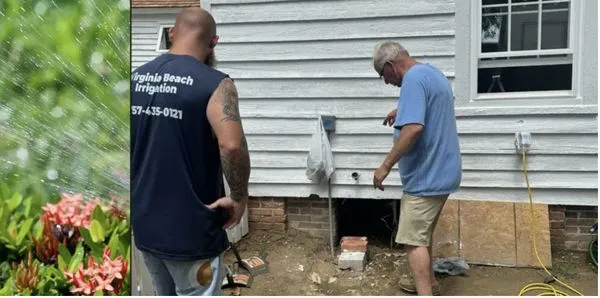
Virginia Beach Irrigation has proudly served the local community since 2005, building relationships that feel more like family than business over the years. Our team brings together over 50 years of c...
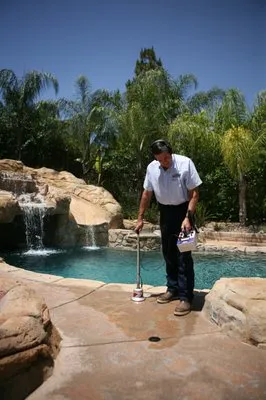
American Leak Detection of Southern Virginia provides precise, non-invasive leak detection and plumbing services to protect homes in Virginia Beach. Specializing in identifying hidden water and sewer ...
Niya's Plumbing & Home Improvement
Niya's Plumbing & Home Improvement has been serving Suffolk, VA, for over 23 years, providing reliable plumbing and home improvement services. We specialize in a wide range of solutions, including bat...
Precision Plumbing & Contracting Services has been a trusted name on Virginia's Eastern Shore since 2008, founded and operated by owner Jeff Matthews. Our team of background-checked, drug-tested techn...
Benjamin Franklin Plumbing of the Eastern Shore
Benjamin Franklin Plumbing of the Eastern Shore provides reliable plumbing services to Oak Hall, VA, and the wider Eastern Shore community. Our team of professional, background-checked technicians arr...
For over 40 years, Heath Electric Co. has been the trusted single-source solution for the Eastern Shore's home service needs. Based in Townsend and proudly serving Cape Charles, our unique dual-master...

Jester Plumbing is your trusted local plumbing expert serving Oak Hall, VA. We specialize in the proactive detection and repair of the area's most common plumbing problems, including invasive tree roo...
Boggs Water & Sewage is a trusted plumbing service provider in Melfa, VA, dedicated to helping local homeowners maintain reliable water and sewage systems. We specialize in thorough plumbing inspectio...

Shore Distributors Inc Plumbing Supplies is your trusted local source for plumbing solutions in Onley, VA. We provide essential plumbing supplies and expert guidance to help homeowners and contractors...
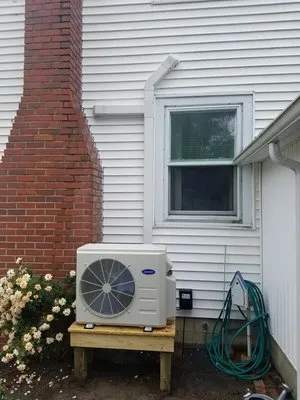
S & S Mechanical
S & S Mechanical is a family-owned HVAC and plumbing company serving Painter, VA, and the Eastern Shore for over 30 years. Founded as J E Smith & Sons Inc. and later evolving into Smith & Smith Mechan...
Estimated Plumbing Costs in Onancock, VA
Questions and Answers
Do I need a permit to replace my water heater or repipe my house?
Yes. Accomack County Building and Zoning Department requires permits for most major plumbing work to ensure it meets state code. As a Master Plumber licensed by the Virginia Board for Contractors, pulling those permits and scheduling inspections is part of our job. We handle that red tape so you don't have to navigate the county offices yourself. It ensures the work is documented and done correctly.
My house in Onancock's Historic District was built around 1955. What's happening to my pipes now?
Galvanized steel pipe from that era has a service life of 50 to 70 years. In 2026, those pipes are 71 years old. What you are seeing now is the final stage of corrosion: widespread pinhole leaks and a severe drop in water pressure as the internal diameter gets choked with rust. It is not a matter of if, but when, a section will fail completely. For homes of this age in the district, a full plumbing repipe is often the only permanent solution.
Could the flat, coastal land here cause plumbing issues?
The low, flat terrain around Onancock Wharf and throughout the area can complicate drainage. During heavy rains, saturated soil puts hydrostatic pressure on sewer lines and can infiltrate older pipes through cracks. For your main sewer line, this constant moisture and shifting soil can lead to misalignment or joint failure over decades. Proper grading away from your foundation is a critical first defense.
How long does it take to get a plumber in Onancock?
From our shop, a typical dispatch route heads past the Onancock Wharf to reach US-13, which is the main artery for the Northern Accomack peninsula. Depending on the final destination, the drive itself is usually 45 to 60 minutes. We account for this transit time when we give you an arrival window. It's one reason we ask for specific cross streets when you call.
What's the most important thing to do before a cold snap?
Drip your faucets when temperatures are forecast to hit the upper 20s, especially during the spring thaw. Our temperate climate means pipes in crawl spaces or against exterior walls are rarely fully insulated. A steady, pencil-thin stream of water from both hot and cold lines keeps pressure moving and prevents a freeze. Pay particular attention to any plumbing on the north side of the house.
Is plumbing different for a rural home here versus in town?
The core difference is the water source and waste system. Most rural homes here operate on a private well and a septic system, not municipal water and sewer. This means maintaining the pressure tank, well pump, and septic field becomes your responsibility. A failing pressure switch or a full septic tank will stop your plumbing just as surely as a burst pipe. These systems require specific, regular maintenance.
Does our well water here cause problems for appliances?
Yes. Water drawn from the Columbia Aquifer is very hard, meaning it has high mineral content. Those minerals, primarily calcium and magnesium, precipitate out as scale. Over time, this scale builds up inside water heaters, reducing efficiency and lifespan, and it crusts on faucet aerators and showerheads, cutting flow. A whole-house water softener is the standard defense to protect your plumbing and appliances.
Why are my old galvanized pipes suddenly leaking?
Galvanized steel corrodes from the inside out. After 70 years, the zinc coating that prevents rust is long gone. What remains is bare steel that reacts with water and minerals. This creates tuberculation, which are rough, crusty deposits that narrow the pipe. The resulting pressure spikes and weak spots lead to pinhole leaks, most commonly at threaded joints and fittings where the metal is thinnest.
