Top Emergency Plumbers in Lincolnia, VA, 22041 | Compare & Call

There are 239 plumbing companies server in Lincolnia VA
Arlington Plumbing Heating and Cooling
For over a decade, Arlington Plumbing Heating and Cooling has been the trusted local provider for comprehensive plumbing, heating, and cooling services across Northern Virginia. Founded on a passion f...
Philios Plumbing & Drains is a locally owned and licensed plumbing service serving Bailey's Crossroads and the surrounding communities. We specialize in solving urgent plumbing problems, from sewer ba...
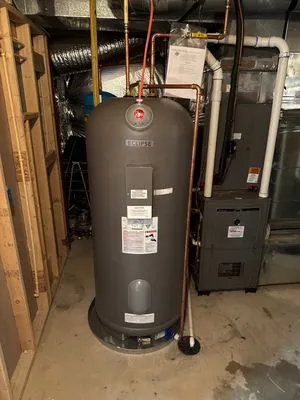
Reddick & Sons
Reddick & Sons is a family-owned and operated Class A contractor based in Manassas, VA, proudly serving Northern Virginia since 2009. Founded by Daniel Reddick, a Prince William County native who hold...
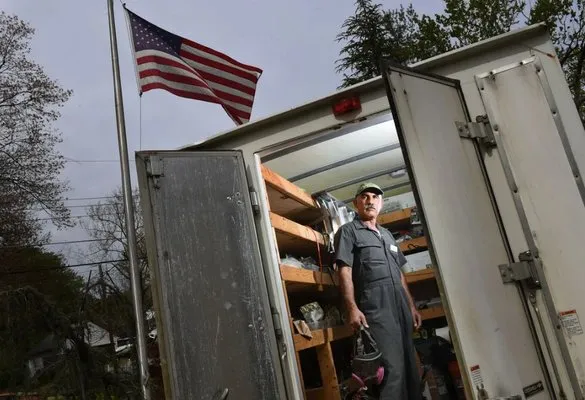
At Abe's Plumbing, we bring over two decades of dedicated plumbing expertise to Annandale and Northern Virginia. Our journey began in bathroom remodeling, which gave us a deep understanding of how plu...
Belle View Plumbing is a licensed and insured plumbing contractor serving Alexandria, VA, and the wider Northern Virginia area. With over 15 years of experience, our team provides comprehensive reside...
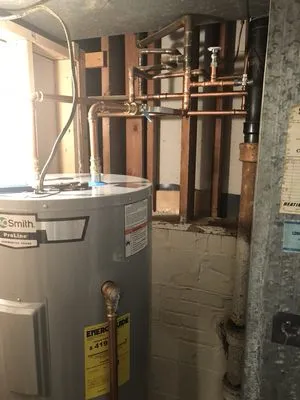
MJW Plumbing Company is a locally owned and operated plumbing service in Great Falls, founded by Michael Whitecotton. A Vienna, VA native, Michael became a certified Master Plumber in 2012 and built h...
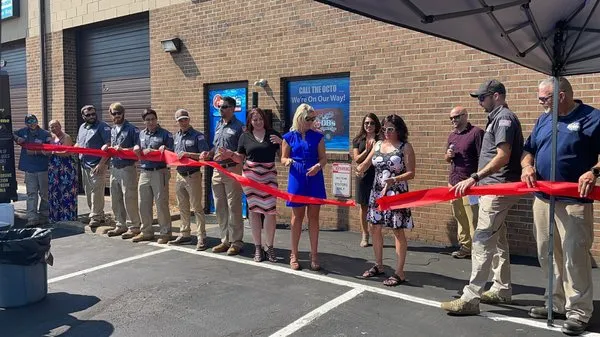
DB's Plumbing and Drain
DB's Plumbing and Drain is a family and military-owned business founded in Woodbridge by David Buky. After years in the industry, David saw a need for a more personal, service-focused approach. He bui...
Home Service Pros is a trusted, locally-owned contractor serving Alexandria, VA, and the greater Northern Virginia region. Founded by Greg Schick and built from the merger of Quality Sewer & Drain and...
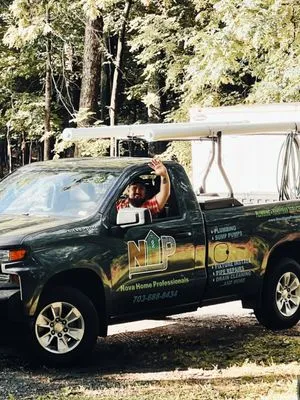
Two Irish Plumbers, formerly Nova Home Professionals, is a fully licensed and insured plumbing company serving Alexandria, VA. Owned and operated by Steven Katz and Ian Harris, we bring over 20 years ...

HD Plumbing Service is a trusted, locally-owned plumbing company serving Arlington, VA, and the surrounding communities. We are a team of licensed, experienced plumbers dedicated to solving residentia...
Estimated Plumbing Costs in Lincolnia, VA
Frequently Asked Questions
How long do copper pipes typically last in Lincolnia homes?
Copper plumbing installed around 1981 is now 45 years old. In Lincolnia Hills, homeowners are seeing increased frequency of leaks and reduced water pressure as the pipes reach this age. The original solder joints and fittings begin to fail, and the copper itself can thin from decades of water flow. Most copper systems need evaluation or partial replacement after 40-50 years of service.
How quickly can a plumber reach my home in Lincolnia during an emergency?
Heading past Green Spring Gardens on I-395 gets us into most Lincolnia neighborhoods within 20-30 minutes. That route avoids local traffic bottlenecks while keeping us close to supply houses. We monitor real-time traffic patterns to adjust for peak hours. Our dispatch prioritizes water emergencies with same-day response.
As a suburban Lincolnia homeowner, what should I know about my water pressure?
Municipal water pressure in Fairfax County typically ranges 50-80 PSI, which is adequate for most suburban homes. Pressure regulators installed at the main entry point protect interior plumbing from surges. Tree roots seeking moisture can infiltrate service laterals, causing slow drains or backups. Annual pressure checks and camera inspections of laterals prevent most suburban plumbing issues.
What plumbing precautions should I take before spring thaw in Lincolnia?
Before temperatures rise above freezing consistently, check all exterior hose bibs and irrigation systems for winter damage. The spring thaw cycle from 28°F lows creates ground movement that can stress pipe connections. Insulate pipes in unheated crawl spaces that might still experience overnight freezes. Schedule a pressure test if you notice any new drips after the thaw period.
How does the hilly terrain around Green Spring Gardens affect my home's drainage?
The sloping landscape in Lincolnia creates uneven stress on main sewer lines running downhill. Gravity pulls waste water rapidly, which can scour pipe interiors and accelerate wear at bends. Uphill properties often experience slower drainage during heavy use periods. Proper grading around foundations prevents water from pooling against basement walls during rain events.
Does Potomac River water damage plumbing fixtures in Lincolnia?
Potomac River water carries high mineral content that creates hard water scaling throughout Lincolnia homes. Scale buildup reduces water heater efficiency by insulating heating elements, forcing them to work harder. Fixtures develop reduced flow as aerators and showerheads clog with mineral deposits. Water softeners or regular descaling treatments extend appliance life in this area.
Who handles permits for plumbing repairs in Fairfax County?
Fairfax County Land Development Services requires permits for most plumbing work beyond basic repairs. As a Virginia Department of Professional and Occupational Regulation licensed master plumber, I secure all necessary permits and schedule inspections. This ensures work meets current code standards for safety and resale value. Homeowners avoid paperwork delays and potential compliance issues.
Why are my 1980s copper pipes suddenly developing pinhole leaks?
Copper pipes from 1981 often develop pinhole leaks due to electrolytic corrosion and joint calcification. The solder used in that era reacts with our mineral-rich water over decades, creating weak spots. These leaks typically appear first at joints and elbows where water turbulence accelerates wear. Early detection prevents the small leaks from becoming major wall damage.
