Top Emergency Plumbers in Lake LandOr, VA, 22546 | Compare & Call

There are 239 plumbing companies server in Lake Landor VA
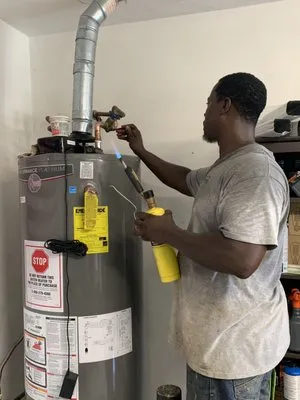
Founded in 2011, Don's Plumbing Repair Services is a family-owned business rooted in Virginia Beach. Don brings over 15 years of hands-on experience to every job, having worked with several local comp...

Kings Plumbing is a family-owned and operated plumbing service based in Norfolk, VA, founded by a licensed Master Plumber and Master Gas Fitter with over 20 years of experience. Starting as a helper i...
Etheridge & Sons Plumbing is a family-owned and operated Virginia Beach plumbing company founded in 1995. The business was built on a foundation of quality workmanship, honesty, and customer satisfact...
Arcadia Property Services
Arcadia Property Services is a licensed property maintenance company serving Virginia Beach, VA, established in 2021. We specialize in comprehensive solutions for residential and commercial properties...
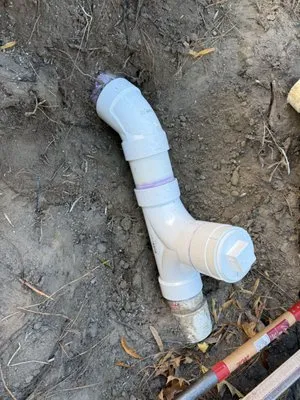
TR Plumbing is your trusted, local plumbing specialist serving Newport News and the surrounding areas. As a fully licensed and insured company, we provide reliable plumbing solutions for both homes an...
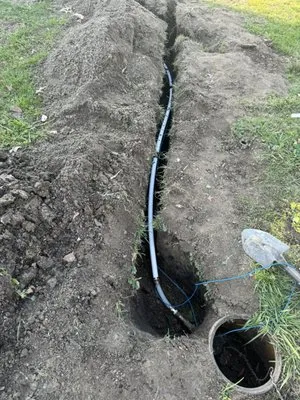
Three Brothers Plumbing has been a trusted Hampton, VA plumbing resource for over 24 years. As a locally owned and operated family business, we understand the specific plumbing challenges faced by hom...
Power Plumbing is a trusted, locally-owned plumbing service in Chesapeake, VA, dedicated to keeping homes and businesses running smoothly. We specialize in comprehensive plumbing inspections and targe...
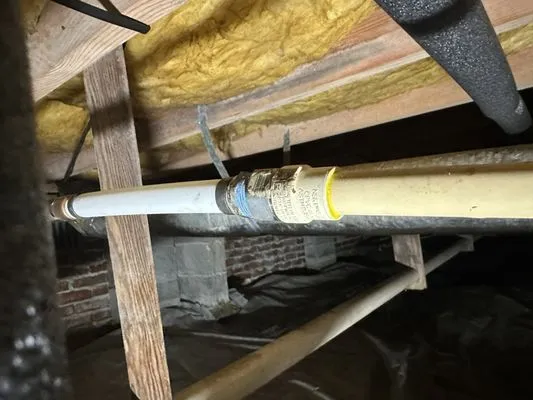
Dr. Plumber is a Chesapeake-based plumbing service founded on a commitment to building a trusted reputation through exceptional customer care. With over 20 years of hands-on experience, the team combi...

Pinnacle Plumbing of Virginia
Pinnacle Plumbing of Virginia is your trusted, full-service plumbing company serving White Stone and the surrounding Northern Neck communities. We specialize in comprehensive residential plumbing, fro...

Roto-Rooter Plumbing & Water Cleanup
Roto-Rooter Plumbing & Water Cleanup in Hampton, VA provides reliable plumbing and water damage services for local homes and businesses. Our team is available 24/7 for emergencies, including drain cle...
Estimated Plumbing Costs in Lake LandOr, VA
Q&A
Could the hilly terrain around Lake Landor Dam affect my home's drainage?
Hilly slopes around Lake Landor Dam create drainage challenges for plumbing systems. Downward pressure on main sewer lines increases with slope angle, potentially stressing joints and connections. Surface water runoff during heavy rains can infiltrate older sewer lines through cracks or loose joints. Proper grading around your foundation and regular sewer line inspections help identify issues before they become backups or collapses.
Who handles permits and inspections for plumbing work in Caroline County?
The Caroline County Building Inspection Department oversees all plumbing permits and inspections. As a Virginia Department of Professional and Occupational Regulation licensed master plumber, I manage the permit application process, schedule required inspections, and ensure all work meets current Virginia Uniform Statewide Building Code standards. This means homeowners don't need to navigate bureaucratic requirements themselves—the red tape gets handled as part of professional service.
Does Lake Landor's hard water damage my plumbing fixtures?
Hard water from Lake Landor causes scale buildup that affects fixtures and appliances differently. Water heaters accumulate mineral deposits on heating elements, reducing efficiency by up to 30% over time. Faucet aerators and showerheads clog with calcium deposits, decreasing water pressure. The scale also provides nucleation points for corrosion in copper pipes, accelerating pinhole leak development. Installing a water softener or using vinegar treatments on affected fixtures can mitigate these effects.
How quickly can a plumber reach my home near Lake Landor?
Heading past Lake Landor Dam on I-95 provides the most direct route to most Lake Landor addresses. From there, local roads connect to the neighborhoods. This dispatch route typically takes 25-35 minutes depending on traffic and your exact location. Knowing this geography helps us estimate arrival times accurately when you call with an emergency.
My Lake Landor Estates home was built around 1991 - should I be worried about my plumbing?
Copper pipes installed in 1991 are now 35 years old, which puts them in the typical failure window for this material. Homeowners throughout Lake Landor Estates are reporting pinhole leaks, especially at joints and elbows where water turbulence accelerates wear. This isn't sudden catastrophic failure but gradual deterioration that manifests as small, persistent drips. Regular inspections of visible piping in basements and crawlspaces can catch these issues before they cause water damage.
Why do my copper pipes keep developing small leaks?
Copper pipes from 1991 installations often experience pinhole leaks due to a combination of age and water chemistry. The protective oxide layer inside the pipes breaks down over decades, allowing microscopic corrosion points to develop. These typically appear first at joints where soldering flux residue remained or where water flow creates turbulence. Dielectric unions between copper and other metals can also fail at this age, creating galvanic corrosion points.
What should I do before spring thaw to prevent plumbing problems?
Before temperatures rise above freezing consistently, disconnect garden hoses and drain outdoor faucets. Insulate pipes in unheated crawlspaces, as 28°F lows can still cause freezing in vulnerable areas. Check your main water shutoff valve for smooth operation—spring thaw often reveals leaks that went unnoticed during winter. These proactive steps prevent most seasonal emergencies in our temperate climate.
As a suburban homeowner, what plumbing issues should I watch for?
Suburban homes in Lake Landor typically connect to municipal water and sewer systems. Municipal water pressure fluctuations can stress aging copper pipes, exacerbating pinhole leaks. Tree roots seek moisture in sewer laterals, causing blockages that require professional clearing. Unlike rural properties with wells and septic systems, your main concerns involve maintaining connections to community infrastructure and managing the effects of standard municipal water chemistry on older plumbing.
