Top Emergency Plumbers in Greenbriar, VA, 20151 | Compare & Call

There are 235 plumbing companies server in Greenbriar VA
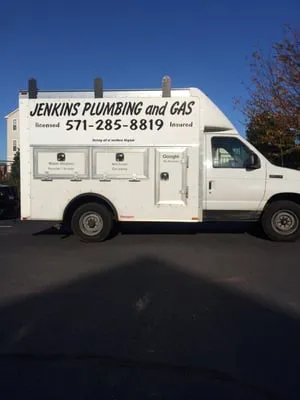
Jenkins Plumbing and Gas
Jenkins Plumbing and Gas is a trusted, locally-owned plumbing and gas service provider serving Knoxville, TN, and surrounding areas. With expertise in a wide range of services—from hot water recircula...
Philios Plumbing & Drains is a locally owned and licensed plumbing service serving Bailey's Crossroads and the surrounding communities. We specialize in solving urgent plumbing problems, from sewer ba...
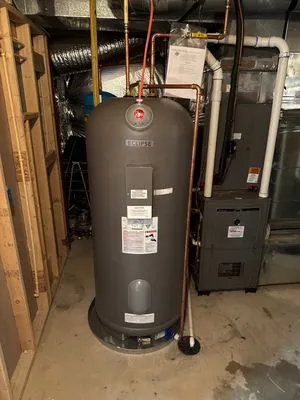
Reddick & Sons
Reddick & Sons is a family-owned and operated Class A contractor based in Manassas, VA, proudly serving Northern Virginia since 2009. Founded by Daniel Reddick, a Prince William County native who hold...
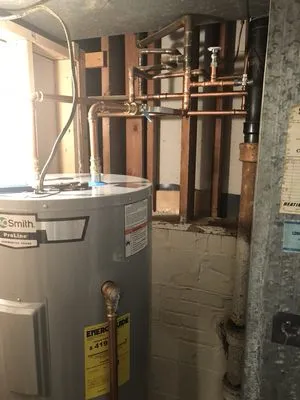
MJW Plumbing Company is a locally owned and operated plumbing service in Great Falls, founded by Michael Whitecotton. A Vienna, VA native, Michael became a certified Master Plumber in 2012 and built h...
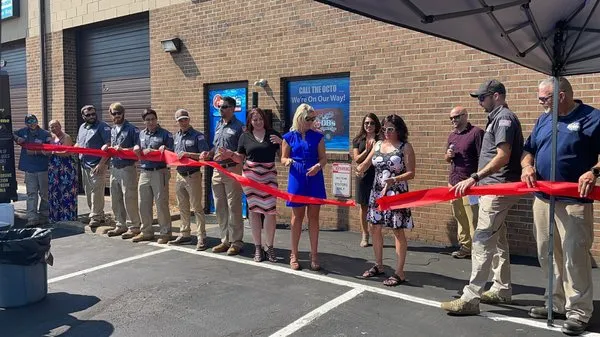
DB's Plumbing and Drain
DB's Plumbing and Drain is a family and military-owned business founded in Woodbridge by David Buky. After years in the industry, David saw a need for a more personal, service-focused approach. He bui...
Home Service Pros is a trusted, locally-owned contractor serving Alexandria, VA, and the greater Northern Virginia region. Founded by Greg Schick and built from the merger of Quality Sewer & Drain and...
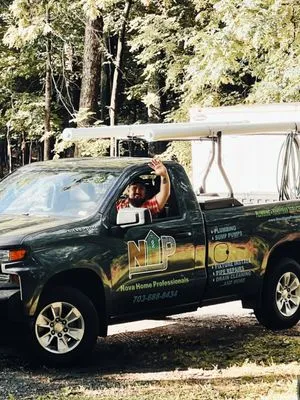
Two Irish Plumbers, formerly Nova Home Professionals, is a fully licensed and insured plumbing company serving Alexandria, VA. Owned and operated by Steven Katz and Ian Harris, we bring over 20 years ...
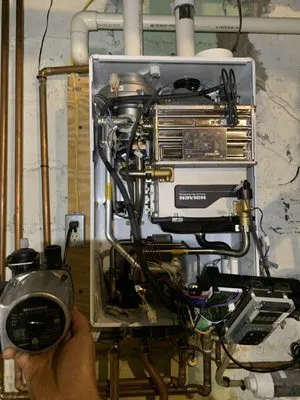
Bob and Kur Plumbing is a family-owned and operated Arlington business founded in 2021 by an experienced plumber with over a decade in the industry. As a father, husband, and son, Bob brings a persona...

Triple State Plumbing Services is a licensed plumbing company serving Arlington, VA, and surrounding areas. We specialize in residential plumbing installation, repair, and maintenance, with a focus on...

Founded by a third-generation Marine and Master Plumber, Marines Service Co. is a veteran-owned business built on the core values of service, honesty, and integrity learned in the US Marine Corps. Bas...
Estimated Plumbing Costs in Greenbriar, VA
Questions and Answers
Could Greenbriar's hills be causing my drainage issues?
Hilly terrain around Greenbriar Park creates drainage challenges that stress plumbing systems. Slope can cause sewer lines to develop low spots where debris accumulates, leading to clogs. For water supply lines, elevation changes increase pressure variations that fatigue older copper joints. During heavy rain, water runoff follows gravity toward homes in lower elevations, potentially overwhelming foundation drains and sump pumps if they're not maintained.
How quickly can a plumber reach my house in Greenbriar?
Heading past Greenbriar Park on I-66 gets me to most Greenbriar addresses within 30-45 minutes. That route avoids local traffic snarls and provides reliable access even during peak hours. I plan dispatch based on real-time traffic patterns to maintain that window. For emergencies, I keep a truck stocked with common copper repair parts to minimize return trips.
Does Potomac River water damage plumbing fixtures?
Potomac River water has moderate hardness that causes scale buildup in water heaters and fixtures over time. That white crust you see on showerheads comes from dissolved minerals precipitating out as water heats. In water heaters, scale insulates heating elements, reducing efficiency and eventually causing premature failure. For fixtures, scale restricts flow and degrades rubber seals and washers faster than soft water would.
As a suburban homeowner, what plumbing issues are unique to my area?
Suburban homes in Greenbriar typically have municipal water and sewer, which means consistent pressure but also specific concerns. Tree roots seek out sewer laterals as they mature, often invading joints in 50-year-old pipes. Municipal water pressure, while generally stable, can surge during main breaks or fire hydrant use, stressing older copper systems. Unlike rural properties with wells, you won't have pump issues, but you're dependent on county infrastructure that's aging alongside your home's plumbing.
What permits do I need for a plumbing repair in Fairfax County?
Fairfax County Land Development Services requires permits for most plumbing work beyond basic repairs. As a Virginia Board for Contractors licensed master plumber, I handle the red tape so you don't have to. This includes pulling permits, scheduling inspections, and ensuring work meets current code—important since codes have changed significantly since your home was built. Proper documentation also protects your home's value and satisfies insurance requirements if you ever file a claim.
My Greenbriar Estates home was built in the 1970s—should I be worried about my plumbing?
Copper pipes installed around 1976 are now 50 years old. At this age, homeowners in Greenbriar Estates often notice pinhole leaks appearing in straight pipe runs, especially near elbows and joints. The copper has endured decades of water chemistry changes and thermal cycling. While copper is durable, half a century of service means proactive inspection is wise before small leaks become significant water damage.
What should I do before spring to prevent plumbing problems?
Before spring thaw, disconnect garden hoses and shut off exterior faucets from inside. When temperatures drop to 28°F, residual water in hose bibs can freeze and crack the pipe behind your wall. Our temperate climate means overnight freezes followed by daytime thaws—that freeze-thaw cycle puts particular stress on pipes. Also check your basement for dampness as snow melts, since hilly terrain can direct water toward foundations.
Why do my copper pipes keep springing leaks?
Copper pipes from the 1970s often develop pinhole leaks due to a combination of age and local water chemistry. Over 50 years, microscopic corrosion weakens the pipe walls, particularly at solder joints where dissimilar metals meet. In Greenbriar, the hard water accelerates this process through scale buildup that creates localized corrosion cells. These failures typically start in hot water lines first due to thermal expansion stress.
