Top Emergency Plumbers in George Mason, VA, 22030 | Compare & Call

There are 226 plumbing companies server in George Mason VA

Arlington Plumbing Heating and Cooling
For over a decade, Arlington Plumbing Heating and Cooling has been the trusted local provider for comprehensive plumbing, heating, and cooling services across Northern Virginia. Founded on a passion f...
Philios Plumbing & Drains is a locally owned and licensed plumbing service serving Bailey's Crossroads and the surrounding communities. We specialize in solving urgent plumbing problems, from sewer ba...
Reddick & Sons
Reddick & Sons is a family-owned and operated Class A contractor based in Manassas, VA, proudly serving Northern Virginia since 2009. Founded by Daniel Reddick, a Prince William County native who hold...
At Abe's Plumbing, we bring over two decades of dedicated plumbing expertise to Annandale and Northern Virginia. Our journey began in bathroom remodeling, which gave us a deep understanding of how plu...
MJW Plumbing Company is a locally owned and operated plumbing service in Great Falls, founded by Michael Whitecotton. A Vienna, VA native, Michael became a certified Master Plumber in 2012 and built h...
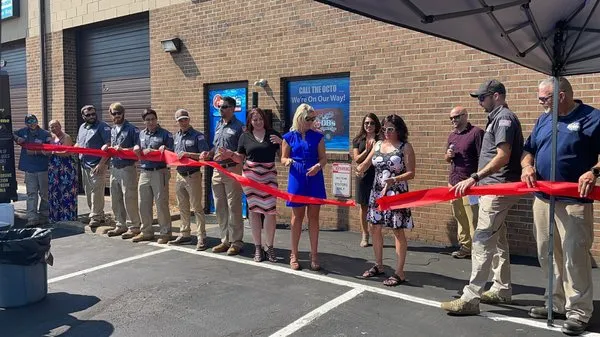
DB's Plumbing and Drain
DB's Plumbing and Drain is a family and military-owned business founded in Woodbridge by David Buky. After years in the industry, David saw a need for a more personal, service-focused approach. He bui...
Home Service Pros is a trusted, locally-owned contractor serving Alexandria, VA, and the greater Northern Virginia region. Founded by Greg Schick and built from the merger of Quality Sewer & Drain and...

HD Plumbing Service is a trusted, locally-owned plumbing company serving Arlington, VA, and the surrounding communities. We are a team of licensed, experienced plumbers dedicated to solving residentia...
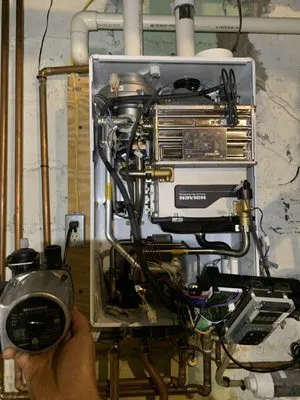
Bob and Kur Plumbing is a family-owned and operated Arlington business founded in 2021 by an experienced plumber with over a decade in the industry. As a father, husband, and son, Bob brings a persona...

Sa's Plumbing & Heating is a family-operated, licensed plumbing service proudly serving Fairfax and the wider Northern Virginia community. For the past 30 years, owner Mr. Sa has brought over four dec...
Estimated Plumbing Costs in George Mason, VA
Questions and Answers
Who handles permits for plumbing work in Fairfax County?
Fairfax County Land Development Services requires permits for most plumbing modifications. As a Virginia Department of Professional and Occupational Regulation licensed master plumber, I submit all paperwork and schedule inspections. Homeowners avoid dealing with code requirements or documentation. This process ensures work meets current standards without creating red tape for you.
How does the hilly terrain around George Mason affect my main water line?
Hilly slopes near George Mason University Center for the Arts create soil movement that stresses main water lines. Gravity pulls soil downward during heavy rains, putting pressure on pipe connections. This terrain requires proper backfilling and flexible couplings during installation. Drainage issues often manifest as wet spots in yards or basements after storms.
Does Occoquan Reservoir water damage my plumbing fixtures?
Water from Occoquan Reservoir has high mineral content that creates scale buildup. This hard water coats water heater elements and reduces efficiency by 20-30% over time. Fixtures like showerheads and faucet aerators clog with calcium deposits. Installing a water softener or using dielectric unions at connections helps manage these effects.
How quickly can a plumber reach my home in George Mason?
Heading past George Mason University Center for the Arts on I-495 puts us within 25-35 minutes of most addresses in the area. We monitor traffic patterns and use back roads when the Beltway slows. This dispatch route keeps response times consistent even during university events or rush hour.
As a suburban homeowner, what unique plumbing issues should I watch for?
Suburban homes in George Mason experience consistent municipal water pressure that tests pipe integrity over decades. Tree roots seek water sources and can infiltrate lateral lines, especially older ones. Unlike rural properties with wells, you have access to Fairfax County's water treatment but still face hard water challenges. Regular inspections catch root intrusion before it causes backups.
Why do my 1980s copper pipes keep developing leaks?
Copper pipes from the early 1980s often fail at solder joints due to calcification buildup. The original flux used during installation can accelerate corrosion over four decades. Pinhole leaks typically appear where water velocity changes direction, like at elbows and tees. These small openings expand slowly until they cause visible water damage.
My copper pipes are from 1982 - what should I expect at this age?
Copper pipes installed around 1982 are now 44 years old. Homeowners in Fairfax Square often notice pinhole leaks appearing in hot water lines first, especially near joints and elbows. This happens because decades of water flow gradually thins the pipe walls. You might see small damp spots on walls or ceilings before major failures occur.
What should I do before spring thaw to prevent plumbing problems?
Before temperatures rise above freezing, check outdoor spigots and irrigation systems for winter damage. Spring thaw at 28°F lows can reveal cracks in pipes that expanded during colder months. Insulate exposed pipes in crawl spaces and basements. This temperate climate requires annual maintenance rather than emergency repairs.
