Top Emergency Plumbers in Fort Hunt, VA, 22306 | Compare & Call

There are 238 plumbing companies server in Fort Hunt VA

Arlington Plumbing Heating and Cooling
For over a decade, Arlington Plumbing Heating and Cooling has been the trusted local provider for comprehensive plumbing, heating, and cooling services across Northern Virginia. Founded on a passion f...

Philios Plumbing & Drains is a locally owned and licensed plumbing service serving Bailey's Crossroads and the surrounding communities. We specialize in solving urgent plumbing problems, from sewer ba...
Reddick & Sons
Reddick & Sons is a family-owned and operated Class A contractor based in Manassas, VA, proudly serving Northern Virginia since 2009. Founded by Daniel Reddick, a Prince William County native who hold...
At Abe's Plumbing, we bring over two decades of dedicated plumbing expertise to Annandale and Northern Virginia. Our journey began in bathroom remodeling, which gave us a deep understanding of how plu...
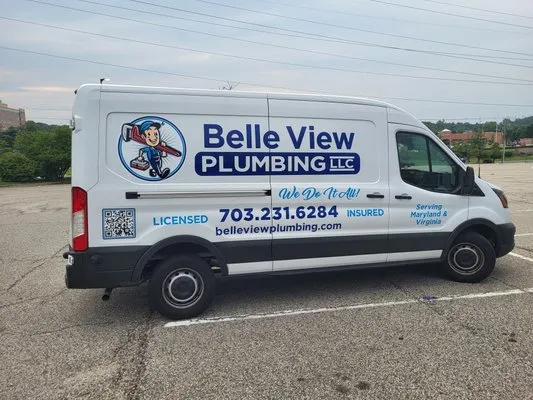
Belle View Plumbing is a licensed and insured plumbing contractor serving Alexandria, VA, and the wider Northern Virginia area. With over 15 years of experience, our team provides comprehensive reside...
DB's Plumbing and Drain
DB's Plumbing and Drain is a family and military-owned business founded in Woodbridge by David Buky. After years in the industry, David saw a need for a more personal, service-focused approach. He bui...
Home Service Pros is a trusted, locally-owned contractor serving Alexandria, VA, and the greater Northern Virginia region. Founded by Greg Schick and built from the merger of Quality Sewer & Drain and...
Two Irish Plumbers, formerly Nova Home Professionals, is a fully licensed and insured plumbing company serving Alexandria, VA. Owned and operated by Steven Katz and Ian Harris, we bring over 20 years ...
HD Plumbing Service is a trusted, locally-owned plumbing company serving Arlington, VA, and the surrounding communities. We are a team of licensed, experienced plumbers dedicated to solving residentia...
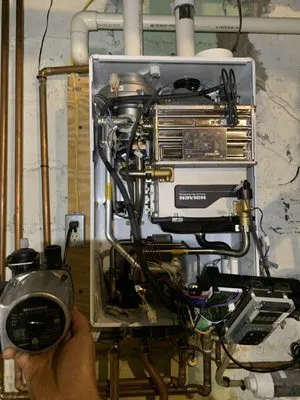
Bob and Kur Plumbing is a family-owned and operated Arlington business founded in 2021 by an experienced plumber with over a decade in the industry. As a father, husband, and son, Bob brings a persona...
Estimated Plumbing Costs in Fort Hunt, VA
FAQs
Could the slope of my yard in Fort Hunt cause a sewer problem?
The coastal terrain around Fort Hunt Park creates subtle slopes that affect drainage. A negative grade toward your house can direct surface water against the foundation, stressing the main sewer line exit point. Over time, this constant hydrostatic pressure can lead to joint separation in older clay or cast iron lines, or encourage root intrusion at the most vulnerable, buried section of pipe.
Does Potomac River water damage home plumbing fixtures?
Water sourced from the Potomac is hard, meaning it carries dissolved calcium and magnesium. This mineral content precipitates out as scale, coating the inside of pipes and appliances. Your water heater’s heating elements and tank interior become insulated by scale, reducing efficiency and lifespan. Faucet aerators and showerheads also clog with scale over time, reducing flow and pressure.
How quickly can you get to a plumbing emergency in Fort Hunt?
My typical dispatch route starts at Fort Hunt Park, heading north on George Washington Memorial Parkway to access the main residential streets. Traffic permitting, I can be on-site in 30 to 45 minutes. That route avoids the heavier congestion on Route 1, which is crucial for a timely response when you have water actively leaking.
What should I do to prepare my plumbing for spring in Northern Virginia?
Our temperate climate sees a hard freeze around 28°F, but the real test comes with the spring thaw. Ground saturation and temperature swings can stress buried supply lines and foundation seals. A specific pro-tip is to inspect your hose bibbs and exterior foundation for moisture after the thaw, as that’s when minor cracks from winter can manifest as leaks. Checking these areas in early April can prevent a midsummer emergency.
Why do my copper pipes keep springing pinhole leaks?
Copper piping installed in 1963 has lived through its expected service life. The local water's mineral content, combined with the age of the metal, leads to internal corrosion and pinhole leaks. We also see joint calcification where the original solder has degraded, causing seepage at elbow and tee fittings. This isn't a defect; it's the natural end-stage for residential copper of this vintage.
As a Fort Hunt homeowner, what are my main sewer line concerns?
Suburban Fort Hunt properties connect to county sewer mains, but the lateral line on your property is your responsibility. Mature tree roots from our well-established neighborhoods are the most common invader, seeking out the water and nutrients in older jointed pipes. Municipal pressure is generally stable, but a sudden drop can sometimes indicate a breach in your own lateral line before it becomes a backup.
What permits do I need for a water heater replacement in Fairfax County?
Fairfax County Land Development Services requires a permit for water heater replacement, which involves an inspection to ensure proper venting, pressure relief, and seismic strapping. As a Master Plumber licensed by the Virginia Department of Professional and Occupational Regulation, I pull that permit and schedule the inspection as part of the job. My credential means I handle that red tape so you don’t have to navigate the county process yourself.
My Fort Hunt house was built in 1963. Should I be worried about the plumbing?
Your copper pipes are now 63 years old. In Villamay and similar neighborhoods, we’re seeing a predictable failure pattern. Copper at this age often develops pinhole leaks, especially at soldered joints where water velocity and mineral content have worn the interior over decades. It’s less about a sudden catastrophe and more about a rising frequency of small, disruptive leaks that signal a system-wide aging.
