Top Emergency Plumbers in Fort Belvoir, VA, 22060 | Compare & Call

There are 227 plumbing companies server in Fort Belvoir VA

Philios Plumbing & Drains is a locally owned and licensed plumbing service serving Bailey's Crossroads and the surrounding communities. We specialize in solving urgent plumbing problems, from sewer ba...
Reddick & Sons
Reddick & Sons is a family-owned and operated Class A contractor based in Manassas, VA, proudly serving Northern Virginia since 2009. Founded by Daniel Reddick, a Prince William County native who hold...
At Abe's Plumbing, we bring over two decades of dedicated plumbing expertise to Annandale and Northern Virginia. Our journey began in bathroom remodeling, which gave us a deep understanding of how plu...
Belle View Plumbing is a licensed and insured plumbing contractor serving Alexandria, VA, and the wider Northern Virginia area. With over 15 years of experience, our team provides comprehensive reside...
MJW Plumbing Company is a locally owned and operated plumbing service in Great Falls, founded by Michael Whitecotton. A Vienna, VA native, Michael became a certified Master Plumber in 2012 and built h...
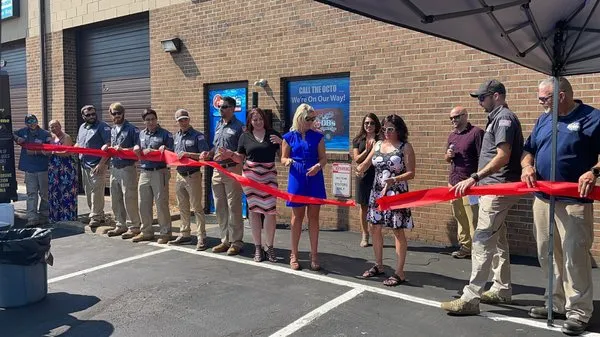
DB's Plumbing and Drain
DB's Plumbing and Drain is a family and military-owned business founded in Woodbridge by David Buky. After years in the industry, David saw a need for a more personal, service-focused approach. He bui...

Home Service Pros is a trusted, locally-owned contractor serving Alexandria, VA, and the greater Northern Virginia region. Founded by Greg Schick and built from the merger of Quality Sewer & Drain and...

Two Irish Plumbers, formerly Nova Home Professionals, is a fully licensed and insured plumbing company serving Alexandria, VA. Owned and operated by Steven Katz and Ian Harris, we bring over 20 years ...

HD Plumbing Service is a trusted, locally-owned plumbing company serving Arlington, VA, and the surrounding communities. We are a team of licensed, experienced plumbers dedicated to solving residentia...
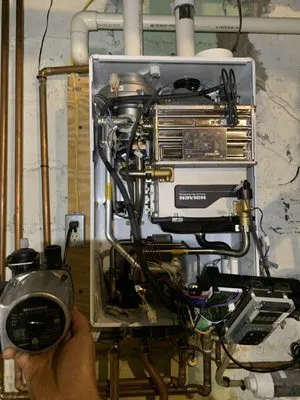
Bob and Kur Plumbing is a family-owned and operated Arlington business founded in 2021 by an experienced plumber with over a decade in the industry. As a father, husband, and son, Bob brings a persona...
Estimated Plumbing Costs in Fort Belvoir, VA
FAQs
What should Fort Belvoir homeowners do to prepare plumbing for spring weather changes?
Spring thaw brings temperature swings that can stress plumbing systems. When overnight lows hit 28°F and daytime temperatures rise, pipes expand and contract, potentially causing leaks at weak points. A pro-tip for our temperate climate: insulate exposed pipes before spring and check for any existing minor leaks that could worsen with temperature changes. This preventive maintenance avoids emergency calls during peak thaw periods.
How quickly can a plumber reach my Fort Belvoir home in an emergency?
Heading past National Museum of the United States Army on I-95 puts me on the main artery to Fort Belvoir. From there, local roads connect directly to Belvoir Village. This dispatch route typically takes 25-35 minutes depending on traffic conditions. Knowing these roads well means I can navigate efficiently when you have a plumbing emergency that needs immediate attention.
What permits or regulations apply to plumbing work in Fort Belvoir?
Fairfax County Land Development Services requires permits for most plumbing modifications, and I handle that paperwork as part of my service. My Virginia Department of Professional and Occupational Regulation credentials ensure all work meets state codes. This means you don't need to navigate the red tape yourself - I manage the permitting process and inspections so your project complies with local regulations from start to finish.
How does the hilly terrain around Fort Belvoir affect residential plumbing?
The sloping landscape around National Museum of the United States Army extends throughout Fort Belvoir, creating drainage challenges for home plumbing systems. Downhill water pressure can stress main lines, while uphill properties may experience drainage backups. Soil movement on hillsides can shift pipe alignment over time, leading to joint separation or cracks. Proper grading and reinforced pipe installations address these terrain-specific stresses.
What kind of plumbing problems are common in 2001-built Fort Belvoir homes?
Copper pipes from 2001 installations often develop pinhole leaks at this stage. These tiny holes form where the pipe wall has thinned from internal corrosion and water pressure. Joint calcification is another issue - mineral deposits build up at connections, restricting water flow and creating weak points. Both problems stem from the natural aging of copper plumbing systems in our area.
Does water from Occoquan Reservoir cause problems with home plumbing systems?
Water from Occoquan Reservoir has high mineral content that creates hard water conditions throughout Fort Belvoir. This leads to scale buildup inside pipes, water heaters, and fixtures over time. Water heaters are particularly vulnerable - scale accumulation reduces efficiency and can cause premature failure. Installing a water softener or using descaling treatments helps protect your plumbing hardware from these mineral deposits.
Are there special plumbing considerations for suburban homes in Fairfax County?
Suburban Fort Belvoir homes connect to municipal water systems with consistent pressure that can reveal weak points in aging plumbing. Tree roots often infiltrate lateral lines seeking water, especially in established neighborhoods like Belvoir Village. Unlike rural properties with wells and septic systems, municipal connections mean water quality and pressure issues typically originate within your home's plumbing rather than from the source.
Our Fort Belvoir home was built around 2001 - should I be worried about the plumbing now?
Copper pipes installed in 2001 are now 25 years old, which is when many Belvoir Village homeowners start seeing issues. At this age, the protective lining inside copper pipes can wear thin from decades of water flow. You might notice small leaks developing at joints or fittings, or discoloration in your water from internal corrosion. Regular inspections can catch these problems before they become major repairs.
