Top Emergency Plumbers in Fairlawn, VA, 24141 | Compare & Call

There are 20 plumbing companies server in Fairlawn VA
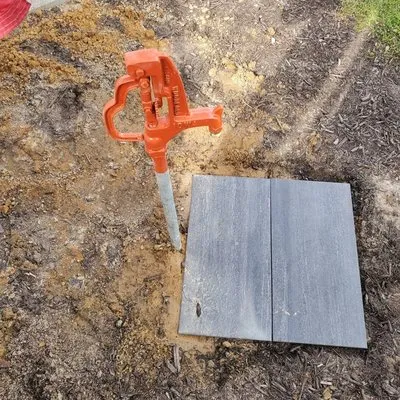
DeAtley Plumbing is a family-owned plumbing service based in Christiansburg, VA, with over 15 years of experience serving Southeastern Virginia. We specialize in a comprehensive range of plumbing serv...
Plumbing Specialists is a family-owned plumbing business proudly serving the Salem, VA, and Roanoke Valley community since 1985. Licensed as a Class A Contractor and fully insured, we focus on providi...
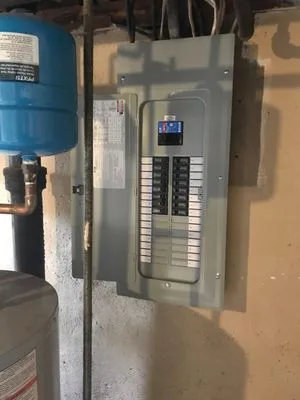
Colt Electric and Home Services
Colt Electric and Home Services is a trusted, full-service provider for Christiansburg, VA, homeowners. We specialize in both electrical and plumbing solutions, tackling common local issues like drain...
Montgomery Sanitation is a locally owned and operated sanitation service provider that has been serving the Christiansburg community and the greater New River Valley for over 60 years. As a trusted Vi...

Tli Construction Services is your trusted local plumbing expert in Salem, VA, specializing in comprehensive solutions for residential plumbing needs. We understand that Salem homeowners often face plu...
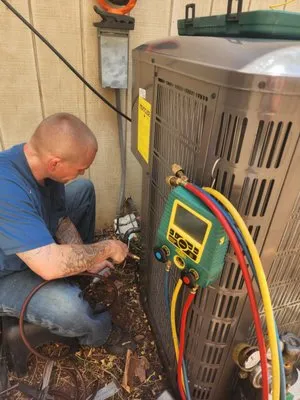
Helm and Son HVAC is a trusted, family-owned heating, cooling, and plumbing service provider proudly serving Shawsville, VA, and the surrounding communities. With expertise in HVAC installation, repai...
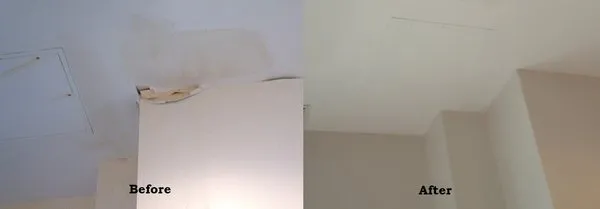
Mr. Everything is your trusted local handyman and disposal service in Elliston, VA, dedicated to solving a wide range of home maintenance problems. We understand that many homes in our area deal with ...
Express Hvac & Electronics
Express Hvac & Electronics is your trusted local expert for plumbing, HVAC, and appliance services in Dublin, VA, and the surrounding New River Valley. We understand the unique challenges faced by hom...
Quality Plumbing Services in Blacksburg, VA, is a locally owned and operated plumbing company with over 20 years of professional experience. Led by David, a professionally trained plumber, the busines...
Aquarius Plumbing is a fully licensed and insured Virginia contractor providing professional plumbing solutions for the Blacksburg community and the wider New River Valley. We specialize in a comprehe...
Estimated Plumbing Costs in Fairlawn, VA
Q&A
Does New River water damage plumbing fixtures?
Hard water from the New River deposits scale inside pipes and appliances. Water heaters accumulate sediment that reduces efficiency and causes premature tank failure. Fixtures like showerheads and faucets develop reduced flow from mineral buildup within 2-3 years without treatment.
How long do copper pipes last in Fairlawn Estates homes?
Copper plumbing installed around 1975 is now 51 years old. At this age, homeowners in Fairlawn Estates often notice recurring pinhole leaks, especially at joints and elbows where water turbulence accelerates wear. The original solder joints may show green corrosion stains, indicating slow leaks behind walls. Many systems from this era need partial repiping or full replacement to avoid sudden failures.
Do rural Fairlawn homes have different plumbing needs?
Rural properties here often rely on wells and septic systems rather than municipal services. Well pumps need regular maintenance due to hard water scaling. Septic tank baffles can fail from improper waste disposal, requiring full system replacement—a major excavation project on hilly lots.
Who handles permits for plumbing work in Pulaski County?
Pulaski County Building Inspections requires permits for most plumbing modifications. As a Virginia Board for Contractors licensed master plumber, I submit all paperwork and schedule inspections. Homeowners avoid the red tape—I ensure work meets current code standards for insurance and resale compliance.
How fast can a plumber get to my house in Fairlawn?
Heading past New River on US-11, I can reach most Fairlawn addresses within 20-30 minutes. This route avoids backroad delays common in rural Pulaski County. For emergencies like burst pipes, I keep a truck stocked with common copper fittings and water heater parts specific to older homes here.
Why do my copper pipes keep springing leaks?
Copper pipes from 1975 often develop pinhole leaks due to decades of hard water flow wearing thin spots in the metal. Joint calcification is another issue—mineral deposits from our water stiffen connections until they crack under pressure. These failures typically start in hot water lines first, where heat accelerates corrosion.
Can hilly terrain affect my home's drainage system?
Hilly slopes around New River put constant stress on main sewer lines. Gravity pulls waste downhill too quickly, leading to pipe joint separation over time. During heavy rains, surface water can overwhelm drainage systems, causing backups in lower-elevation homes. Proper grading and reinforced pipe bedding prevent most issues.
What should I do before spring thaw to prevent plumbing problems?
Before temperatures hit 24°F during spring thaw, disconnect garden hoses and shut off exterior spigots from inside. Insulate pipes in crawl spaces where cold air pools in our temperate climate. Check for foundation cracks that could let freezing air reach supply lines—a common issue after winter ground shifts.
