Top Emergency Plumbers in Fairfax Station, VA, 22030 | Compare & Call

There are 214 plumbing companies server in Fairfax Station VA
Arlington Plumbing Heating and Cooling
For over a decade, Arlington Plumbing Heating and Cooling has been the trusted local provider for comprehensive plumbing, heating, and cooling services across Northern Virginia. Founded on a passion f...
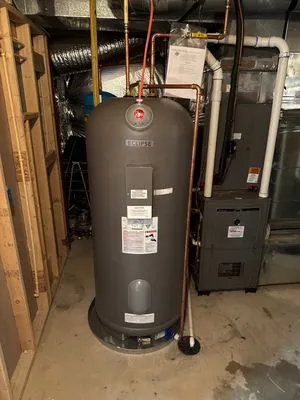
Reddick & Sons
Reddick & Sons is a family-owned and operated Class A contractor based in Manassas, VA, proudly serving Northern Virginia since 2009. Founded by Daniel Reddick, a Prince William County native who hold...
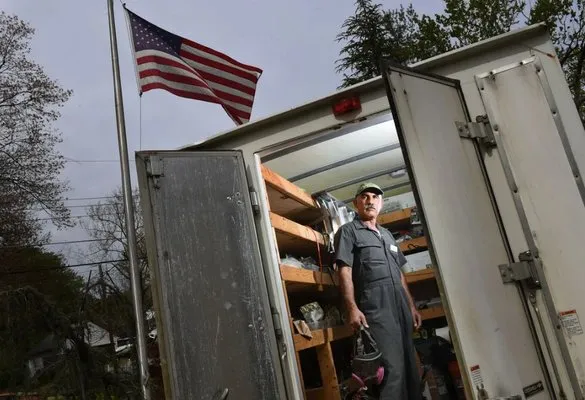
At Abe's Plumbing, we bring over two decades of dedicated plumbing expertise to Annandale and Northern Virginia. Our journey began in bathroom remodeling, which gave us a deep understanding of how plu...
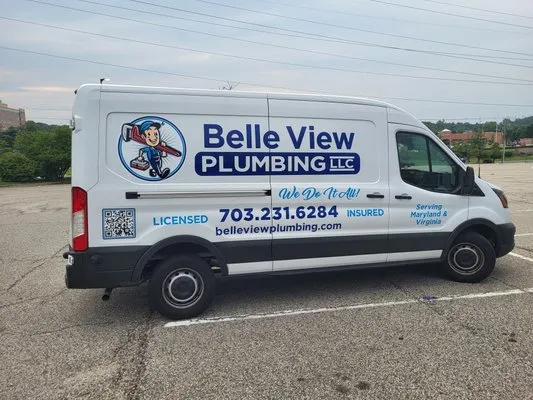
Belle View Plumbing is a licensed and insured plumbing contractor serving Alexandria, VA, and the wider Northern Virginia area. With over 15 years of experience, our team provides comprehensive reside...
Hello! I'm Andrew, the owner and Master Plumber behind Plumbers of America LLC here in Arlington. I've been working in the plumbing trade since 2012, earned my master license in 2020, and started this...
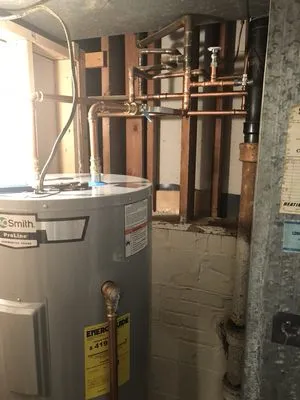
MJW Plumbing Company is a locally owned and operated plumbing service in Great Falls, founded by Michael Whitecotton. A Vienna, VA native, Michael became a certified Master Plumber in 2012 and built h...
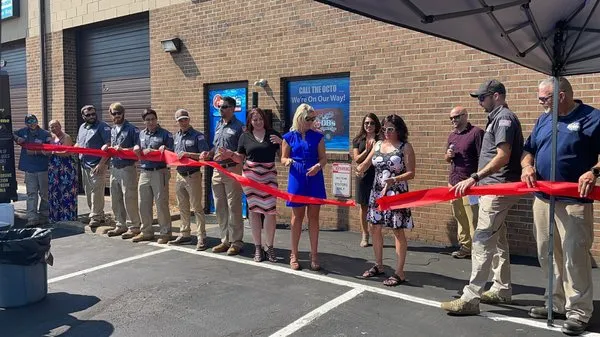
DB's Plumbing and Drain
DB's Plumbing and Drain is a family and military-owned business founded in Woodbridge by David Buky. After years in the industry, David saw a need for a more personal, service-focused approach. He bui...
Home Service Pros is a trusted, locally-owned contractor serving Alexandria, VA, and the greater Northern Virginia region. Founded by Greg Schick and built from the merger of Quality Sewer & Drain and...
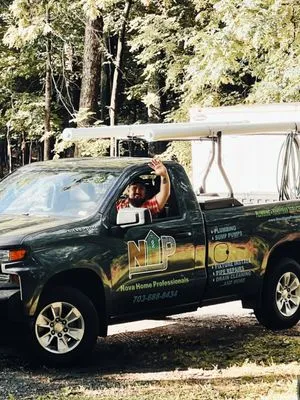
Two Irish Plumbers, formerly Nova Home Professionals, is a fully licensed and insured plumbing company serving Alexandria, VA. Owned and operated by Steven Katz and Ian Harris, we bring over 20 years ...
HD Plumbing Service is a trusted, locally-owned plumbing company serving Arlington, VA, and the surrounding communities. We are a team of licensed, experienced plumbers dedicated to solving residentia...
Estimated Plumbing Costs in Fairfax Station, VA
Common Questions
Why do my copper pipes keep developing small leaks?
Copper plumbing from 1982 often suffers from pinhole leaks due to decades of water chemistry interaction. The copper gradually thins from the inside out, particularly at joints where water turbulence accelerates wear. You'll notice these leaks most frequently in hot water lines where thermal expansion stresses the metal. Another common issue is joint calcification where mineral deposits build up and create pressure points. Both problems stem from the pipe's age and Fairfax Station's water characteristics.
What permits or regulations apply to plumbing work in Fairfax County?
Fairfax County Land Development Services requires permits for most plumbing work beyond basic repairs. I handle this red tape for homeowners, submitting plans, scheduling inspections, and ensuring all work meets current code. My Virginia Department of Professional and Occupational Regulation license certifies I'm qualified to perform this work legally and safely. This includes proper backflow prevention devices, correct pipe sizing, and adherence to venting requirements. You avoid potential fines or issues when selling your home by having permitted, documented plumbing work completed by a licensed professional.
As a suburban homeowner, what unique plumbing issues should I watch for?
Suburban Fairfax Station homes face specific plumbing concerns related to municipal systems and mature landscaping. Municipal water pressure fluctuations can stress older pipe joints and fixtures, particularly during peak usage times. Tree roots from established landscaping often infiltrate sewer laterals seeking moisture, causing slow drains or complete blockages. Unlike rural properties with wells and septic systems, you're connected to county water and sewer, which means compliance with Fairfax County standards for any repairs or replacements. Regular camera inspections of your sewer lateral can identify root intrusion before it becomes an emergency.
My Fairfax Station Estates home was built in the early 80s - should I be worried about my plumbing?
Copper pipes installed around 1982 are now about 44 years old. At this age, homeowners in Fairfax Station Estates often notice pinhole leaks appearing in hot water lines first, especially behind walls or under slabs. The copper has experienced decades of water flow and mineral interaction, thinning the pipe walls gradually. You might see small damp spots on ceilings or hear dripping sounds when no fixture is running. Regular inspections of exposed pipes in basements or crawlspaces can catch these issues before they cause significant water damage.
How quickly can a plumber reach my home in Fairfax Station during an emergency?
Heading past Fountainhead Regional Park on VA-123 gets me into the heart of Fairfax Station within 30-45 minutes from dispatch. This route avoids most interstate congestion that affects broader Fairfax County. I keep a truck stocked with common repair parts for homes in this area, so I'm typically ready to work immediately upon arrival. For urgent situations like burst pipes or sewage backups, I prioritize these calls and communicate my estimated arrival time directly.
Could the hilly landscape around Fountainhead Regional Park affect my home's drainage?
The sloping terrain common around Fountainhead Regional Park creates drainage challenges for Fairfax Station properties. Gravity pulls water downhill, which can overload drainage systems during heavy rains and cause backups in lower-level fixtures. Your main sewer line experiences additional stress where it transitions from your home's foundation to the county connection, especially if the pipe alignment doesn't follow the natural slope properly. Soil erosion on hillsides can expose or damage buried pipes over time. Proper grading around your home's foundation helps direct surface water away from critical plumbing infrastructure.
Does water from the Occoquan Reservoir damage my home's plumbing fixtures?
Water sourced from the Occoquan Reservoir contains higher mineral content that leads to scale buildup in Fairfax Station homes. This hard water causes white crusty deposits on faucet aerators and showerheads, reducing water flow over time. Inside your water heater, scale accumulates on heating elements and tank surfaces, decreasing efficiency and shortening the appliance's lifespan. Fixtures with small water passages, like dishwasher inlet valves or refrigerator ice makers, become clogged more frequently. Installing a whole-house water softener can mitigate these effects.
What should I do to prepare my plumbing for Virginia's spring weather changes?
Fairfax Station's spring thaw brings rapid temperature shifts that stress plumbing systems. When overnight lows hit 28°F followed by daytime warming, pipes in unheated spaces like crawlspaces can freeze and burst. A practical tip is to insulate pipes in these vulnerable areas before March, paying special attention to where pipes enter the home foundation. Keep cabinet doors under sinks open during cold snaps to allow warm air circulation. Know the location of your main water shutoff valve so you can act quickly if a pipe does rupture during these temperature swings.
