Top Emergency Plumbers in Courtland, VA, 23837 | Compare & Call

There are 76 plumbing companies server in Courtland VA
Forbes Plumbing
Forbes Plumbing is a family-owned and operated plumbing service based in Shawboro, NC, with over twenty years of experience serving Northeast North Carolina. Founded by a local plumber who values comm...
Drake Plumbing has been a trusted fixture in Ivor, Virginia, for over 15 years. We provide dependable plumbing solutions for both homes and businesses, focusing on clear communication and lasting resu...

Jeff's Home Solutions was founded by Jeff, a Franklin-based contractor whose passion for building began at age 12 during a local construction boom. He honed his skills in the Building Trades program a...
Cassidy's Plumbing & Septic is a locally owned and operated plumbing service based in Hampton, Virginia. For years, we've been the trusted call for Hampton homeowners facing a wide range of plumbing a...
J R Credle has been serving Portsmouth, VA, for over 11 years, building a reputation for meticulous, high-quality work in appliance repair, HVAC services, and plumbing. Founded on a commitment to cust...
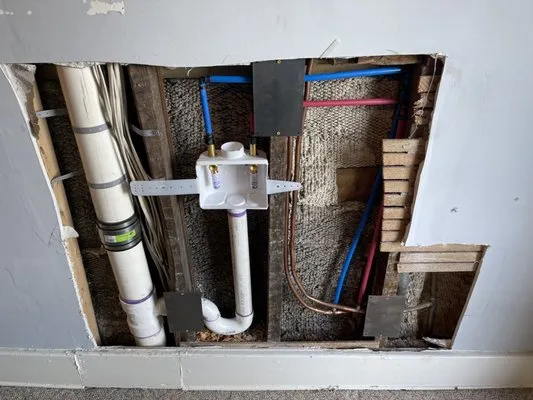
The Plumbing Officials is a locally owned plumbing service in Richmond, VA, with over 30 years of experience in the construction industry. We provide 24/7 emergency services for both residential and c...
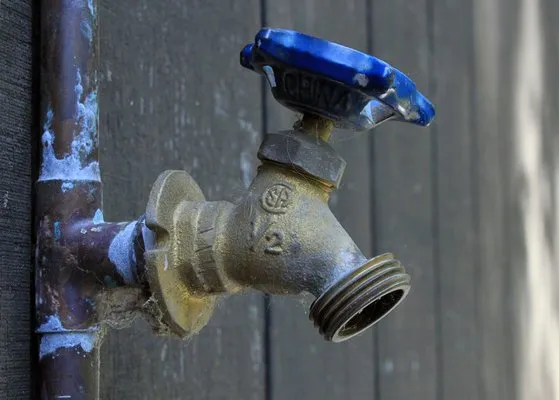
Harry's Plumbing has been serving Richmond, VA, and surrounding areas since 2008, providing reliable plumbing services with a focus on quality and honesty. With over 25 years of industry experience, o...

B l Plumbing is a trusted, full-service plumbing company serving Richmond, VA, and surrounding areas. We specialize in a comprehensive range of residential and commercial plumbing services, including ...
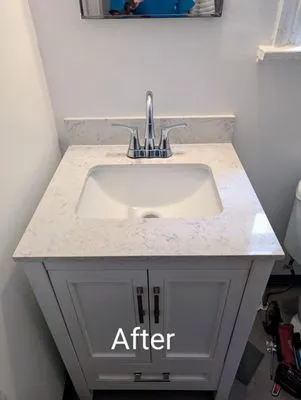
H2O Pro is a trusted plumbing service provider serving Richmond, VA homeowners with comprehensive solutions for common local plumbing issues. Specializing in both installation and repair, we address f...
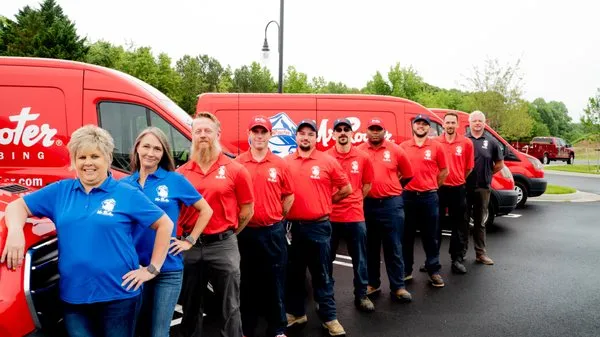
Mr. Rooter Plumbing of Richmond, VA
Mr. Rooter Plumbing of Richmond, VA, located in Midlothian, is your local plumbing expert serving the community with reliable, honest service. Founded on core values established in 1970, this independ...
Estimated Plumbing Costs in Courtland, VA
Questions and Answers
What permits are needed for a water heater replacement in Southampton County?
Southampton County Building Inspections requires a permit for a water heater replacement, which includes a pressure relief valve inspection. As a Master Plumber licensed by the Virginia Board for Contractors, I pull that permit, schedule the inspection, and handle the red tape so you don't have to. It's part of the job. An unpermitted installation can cause issues with your home insurance if there's ever a related claim.
Does the local water around here damage water heaters?
Water from the Blackwater River basin is hard, meaning it's high in dissolved minerals. That causes scale buildup. In a water heater, scale acts like insulation on the heating elements, forcing them to work harder and fail prematurely. It also clogs up fixture aerators and shower valves. Installing a whole-house water softener is the standard recommendation here to extend the life of all your water-using appliances by decades.
Why am I suddenly seeing so many leaks in my Courtland home's plumbing?
Your home was likely built around 1977, which puts the copper plumbing at about 49 years old now. For copper pipes in the Courtland Historic District, this is the typical lifespan where the protective interior oxide layer has worn thin. Homeowners here are often calling for the same reason: a sudden rash of pinhole leaks, usually behind walls or under slabs, caused by decades of water flow and our local water chemistry.
What's the most common plumbing failure for a 1970s Courtland house?
The copper pipes from that era are now failing at the soldered joints and along long horizontal runs. You get joint calcification from hard water scale, which stresses the pipe, and pinhole leaks from internal corrosion. It's rarely one leak; it's often a systemic issue. We frequently find the original 3/4-inch main lines are still sound, but the 1/2-inch branch lines feeding fixtures are where the problems cluster.
How quickly can a plumber get to me in rural Courtland?
From my shop, the dispatch route heads past the Nottoway River on US-58. That main artery gets me into most parts of Courtland, but factor in 45 to 60 minutes for the full response once you call. Rural routes and driveways add time, so a detailed description of your location and the problem helps me come prepared with the right tools on the first trip.
Are septic system problems different for Courtland homeowners than in a city?
Absolutely. In rural Southampton County, you're responsible for the entire system from the house to the drain field. Municipal sewer issues usually stop at the property line. Here, a backup could be a clogged main line, a full septic tank, or a failed drain field. Well water systems add another layer; a plumbing leak can also run your well pump dry. It requires a broader diagnostic approach than just clearing a drain.
Could my home's location near the Nottoway River cause plumbing issues?
The low-lying terrain and sandy soil around the river affect drainage. For plumbing, this often means the main sewer line from your house to the street has a very shallow, flat slope. That can lead to slow drainage and recurring clogs because waste doesn't get enough gravitational push. During heavy rains, a high water table can also put hydrostatic pressure on buried pipes and septic tanks, testing their seals.
What's one thing I should do every winter to avoid frozen pipes in Virginia?
Our winter lows hit 29°F, but the real danger is a hard freeze during a cold snap. The pro-tip for our temperate climate is to disconnect and drain your garden hoses every fall without fail. That's the most common cause of a freeze burst because ice backs up into the exterior faucet and the pipe inside the wall. A $5 foam faucet cover is good insurance, but draining the line is what actually prevents the problem.
