Top Emergency Plumbers in Chester Gap, VA, 22623 | Compare & Call

There are 96 plumbing companies server in Chester Gap VA
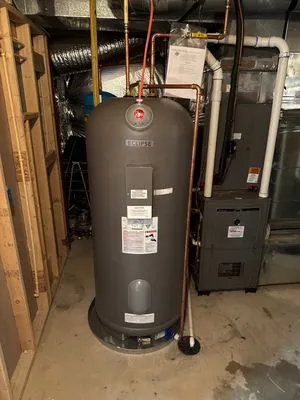
Reddick & Sons
Reddick & Sons is a family-owned and operated Class A contractor based in Manassas, VA, proudly serving Northern Virginia since 2009. Founded by Daniel Reddick, a Prince William County native who hold...
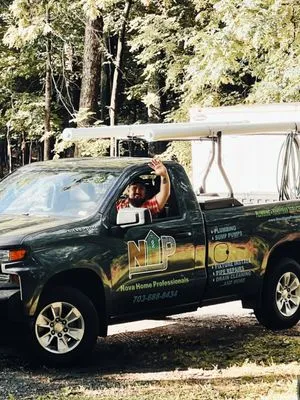
Two Irish Plumbers, formerly Nova Home Professionals, is a fully licensed and insured plumbing company serving Alexandria, VA. Owned and operated by Steven Katz and Ian Harris, we bring over 20 years ...

Founded by a third-generation Marine and Master Plumber, Marines Service Co. is a veteran-owned business built on the core values of service, honesty, and integrity learned in the US Marine Corps. Bas...

AllTech Services
AllTech Services is a trusted, family-owned HVAC and plumbing company that has been serving Sterling, VA, and the surrounding Northern Virginia communities for over 20 years. Founded and led by Presid...
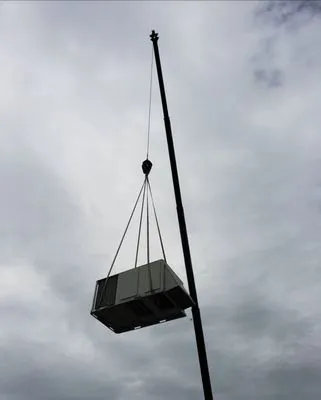
Chamberlain Services
Founded in 2009 by John Chamberlain, who began his career in 1978, Chamberlain Services brings over 60 years of combined technical expertise to every project. Based in Manassas, VA, and serving Northe...
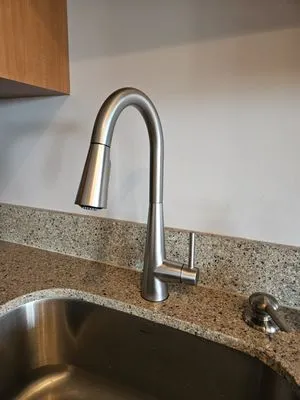
Michael & Son Services
Michael & Son Services has been a trusted name in Alexandria, VA since 1974, providing reliable HVAC, plumbing, and electrical solutions to homes and businesses throughout the community. As a family-o...
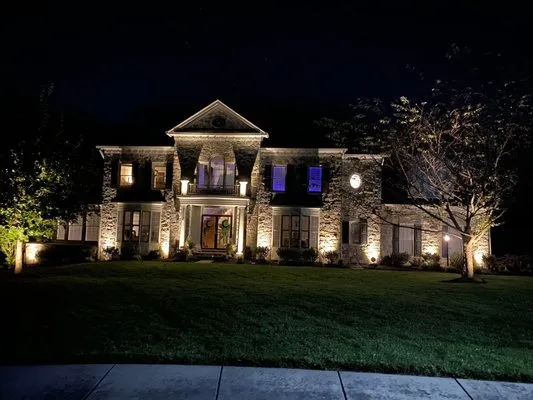
For over seven years, A's Irrigation System has been a trusted family-owned and operated business serving the Sterling, VA community. Founded by Pamela and her husband, the company was built on a comm...
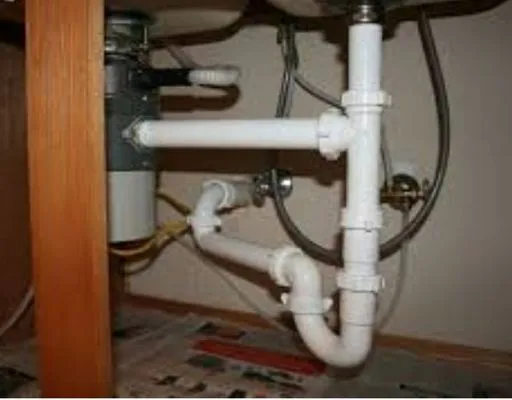
JL Plumbing is a trusted plumbing service provider in Stephens City, VA, founded by Jennifer after years of hands-on experience in the field. We specialize in a comprehensive range of plumbing service...
McCarthy Services
McCarthy Services is a trusted, locally-owned HVAC and plumbing company serving Springfield, Alexandria, and the wider Northern Virginia community. Our team of licensed technicians provides reliable, ...
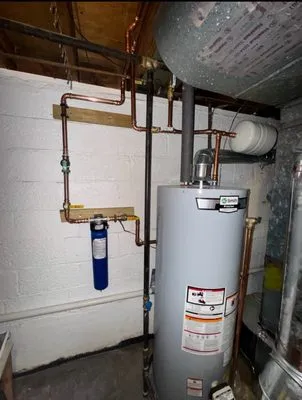
JCL Plumbing is a trusted, family-owned and operated plumbing service proudly serving Dale City and the surrounding communities. For over 25 years, we have built our reputation on honest communication...
Estimated Plumbing Costs in Chester Gap, VA
Common Questions
What should I do to prepare my plumbing for spring in Rappahannock County?
The spring thaw after our 24-degree lows can shift foundations and stress pipes. A key pro-tip is to check all exterior hose bibs and the main water line entry point for new drips or moisture as the ground settles. It is also a good time to ensure your well pump pressure switch and tank are clear of any condensation that may have frozen over winter.
My Chester Gap Village home was built in the mid-80s. What kind of plumbing issues should I expect?
Homes built here around 1986 have copper pipes that are now 40 years old. At this age, we typically see pinhole leaks developing, especially at soldered joints and elbows where water flow changes direction. It is common for homeowners to notice small, persistent drips behind walls or under sinks. This corrosion is a normal aging process for copper, accelerated by our well water's mineral content.
Why do my copper pipes keep springing pinhole leaks?
Copper installed in 1986 is susceptible to pinhole leaks from a combination of age and water chemistry. Over four decades, the protective interior scale can break down, allowing acidic or aggressive water to erode the pipe wall. These leaks often start at joints or where hot and cold lines are close together, a failure mode we see frequently in homes of this vintage.
How fast can a plumber get to Chester Gap for an emergency?
Heading past Shenandoah National Park on US-522, the dispatch route into Chester Gap takes about 45 to 60 minutes from most local shops. Traffic is rarely an issue, but the winding mountain road dictates a safe driving pace. We plan for this transit time when you call so you know exactly when to expect us.
What permits are needed for a water heater replacement in Rappahannock County?
The Rappahannock County Building Department typically requires a permit for a water heater replacement, especially if you are changing the fuel type or location. As a contractor licensed by the Virginia Board for Contractors, I handle that red tape, including the inspection scheduling. This ensures the installation meets current code for pressure relief and seismic strapping, which protects your home.
Are there special plumbing considerations for a rural home with a well and septic?
Rural systems require an integrated view. A failing pressure tank or well pump can mimic a plumbing leak, while a overloaded septic field can cause drains to back up. You cannot rely on municipal pressure to push clogs through; line cleanouts must be strategically placed. Maintaining the balance between well output and septic capacity is the core of rural plumbing health.
Does hard well water damage my water heater?
Yes, hard water from private wells causes significant scale buildup inside water heaters. The minerals act as an insulator, forcing the unit to work harder and reducing its lifespan. You will notice reduced hot water volume and higher energy bills. Installing a whole-house water softener is the most effective way to protect the heater and your fixtures from this scaling.
Could the hilly land around Shenandoah affect my sewer line?
The steep slopes common here put constant stress on sewer main lines and septic field distribution boxes. Gravity works harder on the pipes, which can lead to joint separation or bellies forming in the line over time. Proper drainage away from the foundation is critical, as hillside runoff can saturate the soil and overwhelm a system not designed for the additional flow.
