Top Emergency Plumbers in Cherry Hill, VA, 22026 | Compare & Call

There are 238 plumbing companies server in Cherry Hill VA
Jenkins Plumbing and Gas
Jenkins Plumbing and Gas is a trusted, locally-owned plumbing and gas service provider serving Knoxville, TN, and surrounding areas. With expertise in a wide range of services—from hot water recircula...
Philios Plumbing & Drains is a locally owned and licensed plumbing service serving Bailey's Crossroads and the surrounding communities. We specialize in solving urgent plumbing problems, from sewer ba...
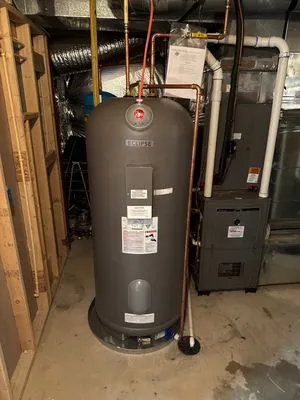
Reddick & Sons
Reddick & Sons is a family-owned and operated Class A contractor based in Manassas, VA, proudly serving Northern Virginia since 2009. Founded by Daniel Reddick, a Prince William County native who hold...
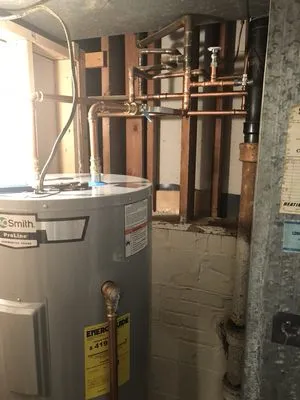
MJW Plumbing Company is a locally owned and operated plumbing service in Great Falls, founded by Michael Whitecotton. A Vienna, VA native, Michael became a certified Master Plumber in 2012 and built h...
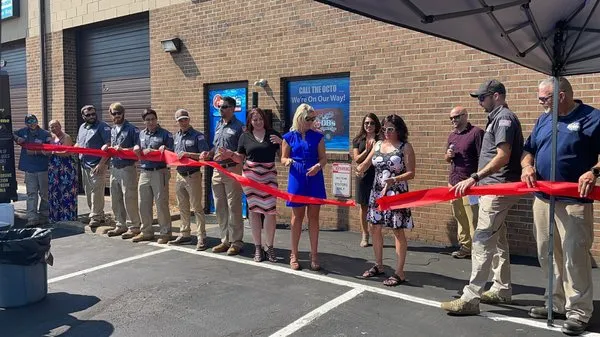
DB's Plumbing and Drain
DB's Plumbing and Drain is a family and military-owned business founded in Woodbridge by David Buky. After years in the industry, David saw a need for a more personal, service-focused approach. He bui...
Home Service Pros is a trusted, locally-owned contractor serving Alexandria, VA, and the greater Northern Virginia region. Founded by Greg Schick and built from the merger of Quality Sewer & Drain and...
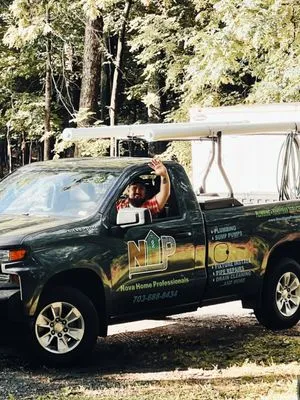
Two Irish Plumbers, formerly Nova Home Professionals, is a fully licensed and insured plumbing company serving Alexandria, VA. Owned and operated by Steven Katz and Ian Harris, we bring over 20 years ...
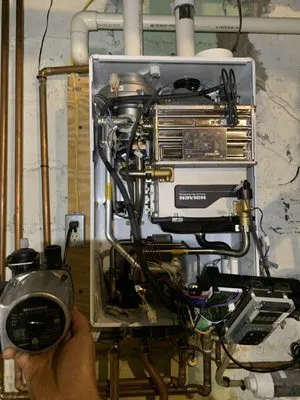
Bob and Kur Plumbing is a family-owned and operated Arlington business founded in 2021 by an experienced plumber with over a decade in the industry. As a father, husband, and son, Bob brings a persona...

Founded by a third-generation Marine and Master Plumber, Marines Service Co. is a veteran-owned business built on the core values of service, honesty, and integrity learned in the US Marine Corps. Bas...
Elite Plumbing Services is a licensed and bonded plumbing company serving Alexandria, VA, and the broader Northern Virginia area. With over 20 years of experience as a Master Plumber, we provide compr...
Estimated Plumbing Costs in Cherry Hill, VA
Common Questions
How fast can a plumber get to my house in Cherry Hill if I have a burst pipe?
From our shop, the dispatch route takes us past Prince William Forest Park and onto I-95, which is typically a 30 to 45 minute drive depending on traffic. We factor in the specific exit and local road conditions in the hilly neighborhoods off Joplin Road. For true emergencies, we prioritize these calls and communicate our estimated arrival time as soon as we're on the road.
Could the hilly land around here be causing my slow drains or sewer backups?
Absolutely. The slope of your property in Cherry Hill directly impacts drainage. A negative grade can cause waste to move sluggishly toward the main sewer line, allowing solids to settle. For the main water line coming in from the street, the constant soil movement and settling on hillsides can stress pipes, leading to cracks or joint separation over time. It's a common stress point we check during inspections.
Our home was built around 2000, and now the plumbing feels off. What should we expect in Cherry Hill Estates?
Homes built around 2000 are now 26 years old, which is a critical age for copper plumbing. In Cherry Hill Estates, you're likely seeing the first signs of systemic wear. This includes persistent pinhole leaks in hot water lines, particularly behind walls or under slabs, and a noticeable drop in water pressure from mineral scale accumulation inside the pipes. It's the point where original installations begin to require significant evaluation and targeted repairs.
My copper pipes are making a ticking noise and have a small leak. What's happening?
That ticking is often thermal expansion in aging copper, and the leak is likely a pinhole failure. In systems from 2000, the copper is thin-wall type M, which is more susceptible to corrosion from our hard water over 25+ years. The failure typically starts at a solder joint or where the pipe contacts a corrosive backing material. Isolating and replacing that section with a dielectric union is a standard repair to prevent galvanic corrosion from recurring.
We're on city water and sewer. What are the most common plumbing problems for suburban homes like ours?
Municipal water pressure is generally reliable, but high pressure can stress older fittings and appliances, making a pressure regulator a wise investment. The primary issue for suburban laterals is tree root intrusion at the sewer line connection, especially with mature landscaping. Inside, simultaneous use of multiple fixtures in a 26-year-old home often reveals undersized original drain lines that now struggle with modern usage patterns.
What's one thing I should do every spring to avoid a plumbing disaster in this climate?
Before the spring thaw hits its peak, make a point to inspect all exterior hose bibs. Disconnect hoses, ensure the interior shut-off valve is closed, and open the bib to drain any residual water. A pro-tip for our temperate swings: insulate any pipes in unheated crawl spaces, as a sudden 28-degree night after a warm day can still cause a freeze and subsequent burst when the ice expands.
Why does our hot water run out so quickly, and are the fixtures always crusty?
Both issues trace back to the hard water from the Occoquan Reservoir. Mineral scale builds up inside the water heater tank, reducing its capacity and efficiency. On fixtures, that crusty buildup is limescale, which corrodes rubber washers and ceramic cartridge seals over time. Installing a whole-house water softener is the most effective long-term solution to protect appliances and maintain flow rates.
Do I need a permit to replace my water heater, and how does that work with the county?
Yes, Prince William County requires a permit for water heater replacement. As a master plumber licensed by the Virginia Department of Professional and Occupational Regulation, I handle pulling the permit, scheduling the county inspection, and ensuring the installation meets all current code for pressure relief valves and seismic strapping. My credential number is on the permit; I manage the red tape so your project is documented and compliant from start to finish.
