Top Emergency Plumbers in Castlewood, VA, 24224 | Compare & Call

There are 228 plumbing companies server in Castlewood VA
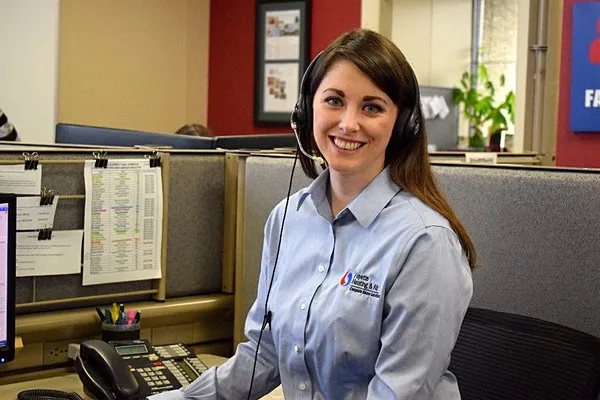
Fayette Heating & Air
Fayette Heating & Air is a family-owned HVAC, electrical, and plumbing company serving Lexington and Central Kentucky since 1971. As a second-generation business, we provide reliable residential and c...
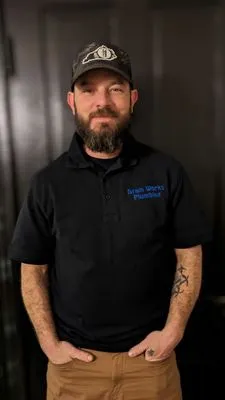
Drain Works Plumbing has been Mount Sterling's reliable plumbing partner for over 20 years. As a fully licensed local business, we specialize in comprehensive residential plumbing services—from routin...

All-Pro Plumbing has been serving Prestonsburg and Eastern Kentucky since 2007, when we combined two smaller companies to create a comprehensive plumbing service. With over 12 years in business, we ge...
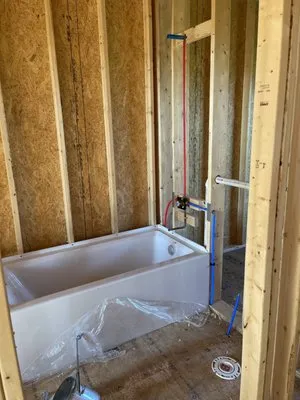
Unlimited Plumbing 859 is a fully licensed and insured plumbing service founded in March 2023 by a master plumber with over 15 years of experience in the trade, dating back to 2008. Since earning a jo...

At Harris Plumbing Services in Jeffersonville, KY, we approach every job with a passion for the craft, backed by the expertise of a Master and Journeyman license holder in the state of Kentucky. Wheth...
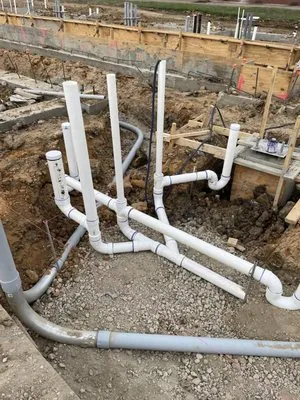
Spot on Johnny is a dedicated plumbing and construction service based in David, KY, where owner Johnny personally oversees every project from start to finish. With extensive experience across plumbing...

Precision Plumbing is a trusted plumbing service provider based in Corbin, KY, dedicated to keeping local homes and businesses running smoothly. We understand the specific challenges faced by property...
Tri-County Plumbing Solutions
Tri-County Plumbing Solutions is a locally-owned and operated plumbing service based in Corbin, KY, serving the Tri-County area. Founded by Matt Vanover, a licensed plumber with five years of experien...
Faith Plumbing is your trusted, local plumbing expert in Shelbiana, KY. We specialize in comprehensive plumbing inspections to proactively identify and address the common water heater sediment and pip...
For over 20 years, James and Son's Plumbing has been the trusted name for plumbing solutions in Pineville and the surrounding tri-state area. As a fully insured and licensed contractor with medical ga...
Estimated Plumbing Costs in Castlewood, VA
Questions and Answers
What causes those small leaks in old pipes around here?
Galvanized steel pipes from the 1970s develop pinhole leaks as the zinc coating wears off and internal corrosion accelerates. Joint calcification also occurs where fittings meet, creating brittle points that crack under pressure. These failures often start behind walls or under slabs, so you might notice damp spots or mold before seeing water. Replacing sections with modern materials prevents recurring issues.
Why does my basement drain slowly in this hilly area?
Hilly terrain around Clinch River creates drainage challenges where gravity flow is inconsistent. Soil shifting on slopes can stress main sewer lines, causing misalignments or cracks that trap debris. Downspouts should direct water away from foundations to prevent saturation. Installing backwater valves or adjusting pipe pitch during repairs addresses these specific landscape issues.
Why are so many Castlewood homes having plumbing problems lately?
Most plumbing in Castlewood Central was installed around 1970 with galvanized steel pipes. At 56 years old in 2026, that material has reached its typical lifespan. Homeowners now see frequent pinhole leaks, reduced water pressure from internal corrosion, and joint failures where fittings connect. This isn't random bad luck—it's predictable aging of infrastructure that needs systematic attention.
Are septic systems different to maintain in rural Castlewood?
Rural properties here often rely on septic systems and private wells rather than municipal services. Septic tanks need pumping every 3-5 years depending on household size, and drain fields require proper grading to function. Well components like pressure tanks and pumps need regular inspection for hard water scaling. Understanding these systems prevents contamination and avoids costly replacements.
What should I do before spring to avoid plumbing issues?
Temperate climates here see lows around 24°F, but spring thaw brings the highest risk of pipe bursts as frozen lines thaw unevenly. Insulate exposed pipes in crawl spaces and disconnect garden hoses before winter. Check for leaks at outdoor spigots after thaw cycles. This proactive maintenance costs less than emergency repairs from sudden pressure changes during temperature swings.
Who handles permits for plumbing work in Russell County?
Russell County Building Department manages permits for plumbing modifications, and I hold active credentials with the Virginia Board for Contractors. I file all required paperwork, schedule inspections, and ensure code compliance for projects. Homeowners don't need to navigate bureaucracy—I handle the red tape so you don't have to, keeping projects legal and insurable.
How quickly can a plumber reach my home in Castlewood?
From our base near Clinch River, we take US-58 east toward Castlewood Central, which typically puts us on site within 45-60 minutes. Heading past Clinch River on US-58, we know the backroads and shortcuts that save time when you have water spraying in your basement. We prioritize emergency calls and communicate our arrival window clearly so you know what to expect.
Does Clinch River water damage my water heater?
Water from the Clinch River has high mineral content that creates hard water scaling. Over time, scale builds up inside water heaters, reducing efficiency and causing premature element failure. Fixtures like showerheads and faucets develop restricted flow from mineral deposits. Installing a water softener or using dielectric unions at connections can mitigate these effects and extend appliance life.
