Top Emergency Plumbers in Braddock, VA, 22302 | Compare & Call

There are 237 plumbing companies server in Braddock VA

Arlington Plumbing Heating and Cooling
For over a decade, Arlington Plumbing Heating and Cooling has been the trusted local provider for comprehensive plumbing, heating, and cooling services across Northern Virginia. Founded on a passion f...

Philios Plumbing & Drains is a locally owned and licensed plumbing service serving Bailey's Crossroads and the surrounding communities. We specialize in solving urgent plumbing problems, from sewer ba...
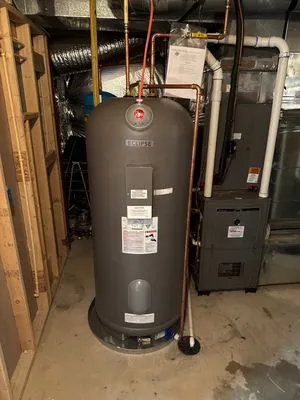
Reddick & Sons
Reddick & Sons is a family-owned and operated Class A contractor based in Manassas, VA, proudly serving Northern Virginia since 2009. Founded by Daniel Reddick, a Prince William County native who hold...
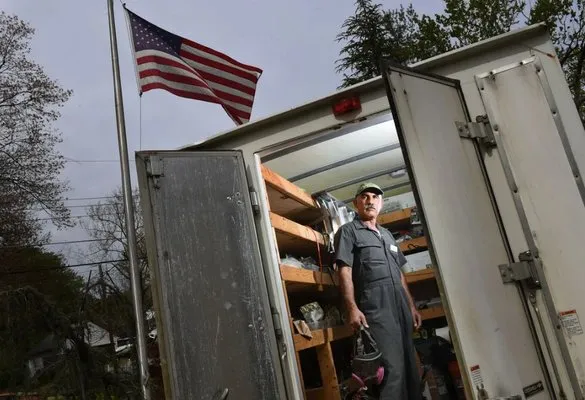
At Abe's Plumbing, we bring over two decades of dedicated plumbing expertise to Annandale and Northern Virginia. Our journey began in bathroom remodeling, which gave us a deep understanding of how plu...
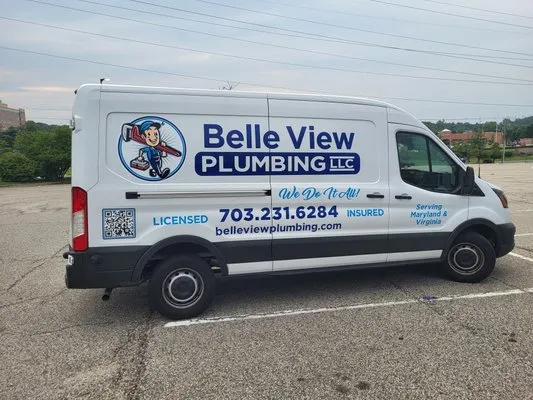
Belle View Plumbing is a licensed and insured plumbing contractor serving Alexandria, VA, and the wider Northern Virginia area. With over 15 years of experience, our team provides comprehensive reside...
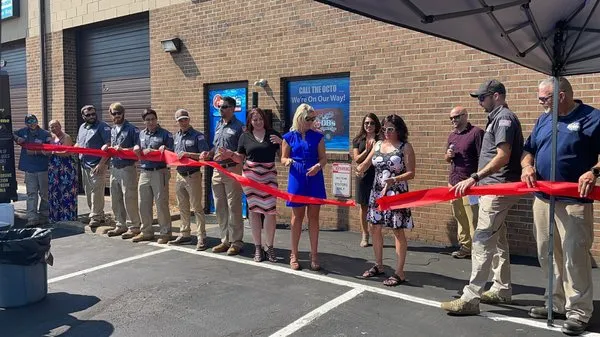
DB's Plumbing and Drain
DB's Plumbing and Drain is a family and military-owned business founded in Woodbridge by David Buky. After years in the industry, David saw a need for a more personal, service-focused approach. He bui...
Home Service Pros is a trusted, locally-owned contractor serving Alexandria, VA, and the greater Northern Virginia region. Founded by Greg Schick and built from the merger of Quality Sewer & Drain and...
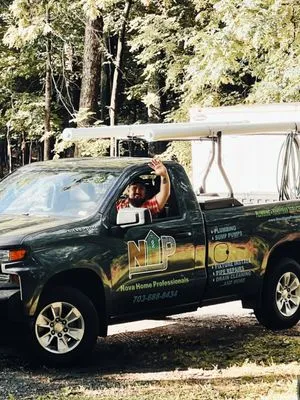
Two Irish Plumbers, formerly Nova Home Professionals, is a fully licensed and insured plumbing company serving Alexandria, VA. Owned and operated by Steven Katz and Ian Harris, we bring over 20 years ...

HD Plumbing Service is a trusted, locally-owned plumbing company serving Arlington, VA, and the surrounding communities. We are a team of licensed, experienced plumbers dedicated to solving residentia...
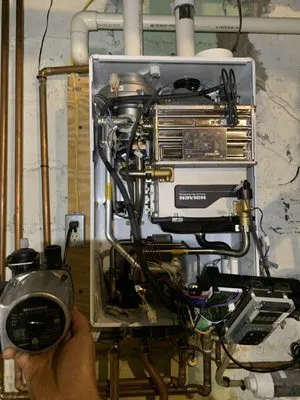
Bob and Kur Plumbing is a family-owned and operated Arlington business founded in 2021 by an experienced plumber with over a decade in the industry. As a father, husband, and son, Bob brings a persona...
Estimated Plumbing Costs in Braddock, VA
FAQs
What's the most important thing to do for my pipes before spring?
The critical task is to disconnect and drain your garden hoses before the last freeze. A forgotten hose bib can trap water, which then freezes and splits the pipe inside your wall. With our low temperatures around 28°F and the spring thaw causing ground shifts, that small oversight is a leading cause of major leaks. Insulating exposed pipes in crawl spaces is also wise, but the hose bib is the non-negotiable pro-tip for this climate.
As an urban homeowner, what's my main sewer line responsibility?
You are responsible for the lateral line from your house to the main city sewer under the street. In older, established neighborhoods like this, the most common issue is tree root intrusion at pipe joints, which can cause slow drains or complete blockages. Municipal water pressure is generally consistent, but a sudden change can indicate a break in the public main or a pressure regulator failure in your home. Knowing where your main water shutoff valve is located is your first control point.
How quickly can a plumber get to my house in Braddock?
From our dispatch near the Charles E. Beatley Jr. Central Library, we head straight onto I-395 for the most direct route into the Braddock area. That arterial access typically puts us at your door within 20 to 30 minutes for an urgent call. We factor in traffic patterns around the library and Seminary Road to provide a reliable window. For non-emergency appointments, we schedule precise arrival times to minimize your wait.
Does hard water from the Potomac River damage my plumbing fixtures?
Yes, the mineral content that makes our water hard leads to scale buildup inside pipes and appliances. Your water heater's heating elements and tank are particularly vulnerable, as scale acts as an insulator, forcing the unit to work harder and fail sooner. Fixtures like showerheads and faucet aerators will clog and lose flow over time. Installing a whole-house water softener is the most effective long-term defense against this wear.
Do I need a permit to replace my water heater, and who handles that?
Yes, Alexandria Code Administration requires a permit for water heater replacement. As a master plumber licensed by the Virginia Department of Professional and Occupational Regulation, I pull that permit, schedule the required inspections, and ensure the installation meets all current code for expansion tanks, drainage, and seismic straps. My credentials mean I handle the red tape and liability so you don't have to navigate the bureaucracy yourself. The final inspection provides you with a certified record of the work.
Why do my copper pipes keep springing tiny leaks?
For copper installed in the mid-80s, pinhole leaks are a common failure mode. Over four decades, the natural minerals in our water, combined with the electrical properties of the copper itself, can cause localized corrosion. These leaks often start at joints or where pipes contact dissimilar metals without proper dielectric unions. Repairing individual pinholes is temporary; a section replacement or full repipe is usually the definitive solution for widespread issues.
Could the hilly land in Braddock be causing my drainage problems?
Absolutely. The slope of the land, similar to the grade around the Central Library, puts constant stress on the main sewer line running from your home to the street. This can lead to bellies or sags in the pipe where waste collects, or joint separations from soil movement. During heavy rain, surface water follows the hills, which can overload foundation drains and basement sump pumps if they aren't maintained for peak capacity.
What kind of plumbing problems should I expect in my Braddock Heights home built in the 1980s?
The copper plumbing in homes built around 1986 is now 40 years old. At this age, the pipe walls can thin from decades of water flow, leading to pinhole leaks, especially at soldered joints. Homeowners here often first notice a small, persistent stain on a ceiling or a drop in water pressure, signaling it's time for a professional assessment. This isn't a sudden failure, but a predictable lifecycle stage for copper of this vintage.
