Top Emergency Plumbers in Bon Air, VA, 23113 | Compare & Call

There are 235 plumbing companies server in Bon Air VA
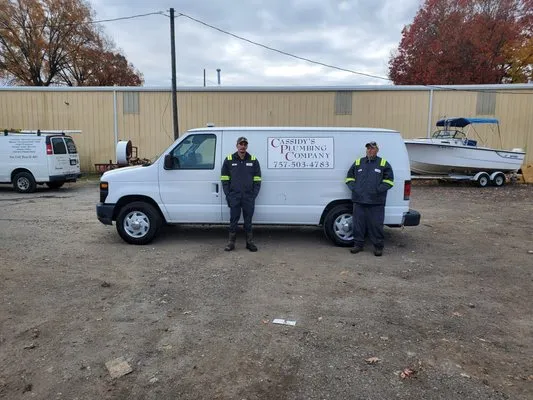
Cassidy's Plumbing & Septic is a locally owned and operated plumbing service based in Hampton, Virginia. For years, we've been the trusted call for Hampton homeowners facing a wide range of plumbing a...
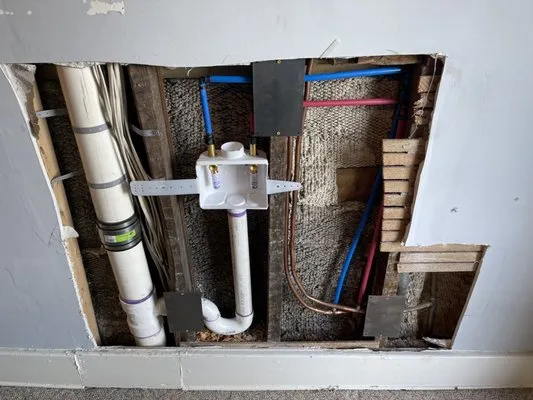
The Plumbing Officials is a locally owned plumbing service in Richmond, VA, with over 30 years of experience in the construction industry. We provide 24/7 emergency services for both residential and c...

Southern Plumbing of VA was founded by a local plumber whose passion for the trade began in high school. Partnering with two friends, he built a company dedicated to providing reliable plumbing servic...
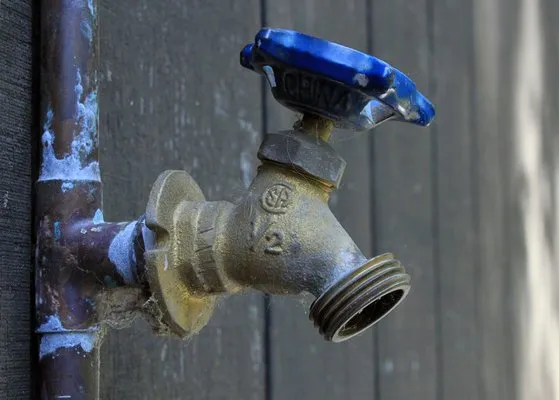
Harry's Plumbing has been serving Richmond, VA, and surrounding areas since 2008, providing reliable plumbing services with a focus on quality and honesty. With over 25 years of industry experience, o...
White Glove Plumbing
White Glove Plumbing - Heating & Air is a trusted, family-run service division of C&L Plumbing, Inc., a name Richmond Metro homeowners have relied on for nearly 40 years. For over 35 years, our Midlot...
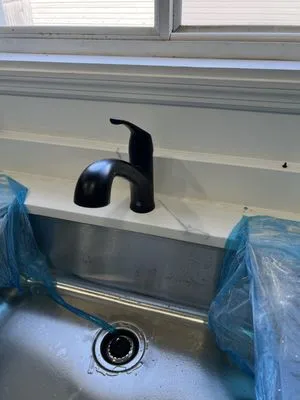
Thomas & Son Plumbing is a trusted, family-owned plumbing service proudly serving Richmond, VA, and the surrounding communities. With expertise in everything from routine faucet repairs to complex sew...
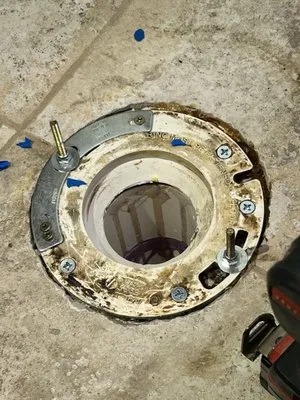
Founded on a commitment to peace of mind, OCD Handy Services brings over 31 years of plumbing expertise to homes in Henrico and the surrounding Glen Allen area. The owner's personal dedication stems f...
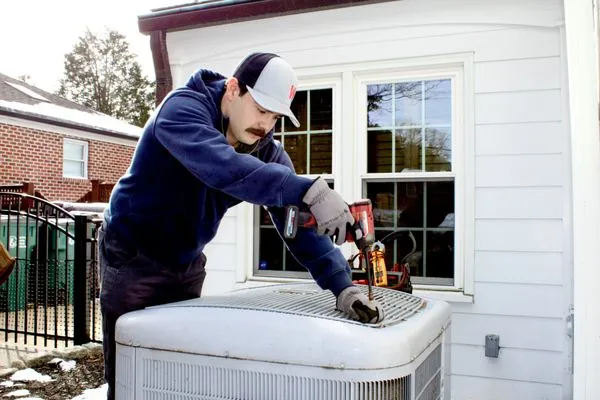
Woodfin - Your Home Team
Woodfin is Your Home Team in Richmond, VA, a family-owned and operated provider of comprehensive home services with over 47 years of local experience. Our team of licensed experts handles all your HVA...
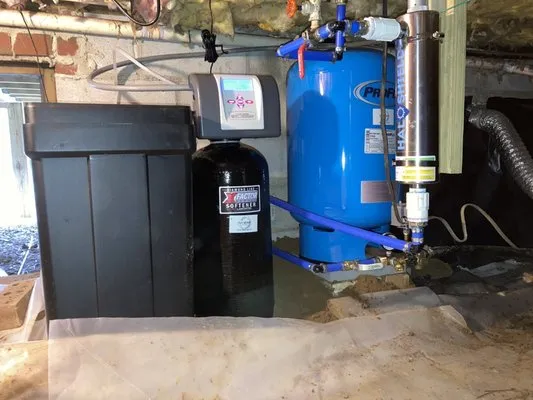
PureWater Solutions
PureWater Solutions is a family-owned and operated plumbing company proudly serving Moseley, Virginia, and the surrounding central Virginia area. Established in 2021 by a husband-and-wife team, we bri...

1-800-Plumber +Air
At 1-800-Plumber +Air Richmond, our priority is providing comprehensive, reliable plumbing and HVAC solutions for your Midlothian home. We understand that a malfunctioning system disrupts your day, wh...
Estimated Plumbing Costs in Bon Air, VA
Questions and Answers
Does James River water damage my water heater?
The James River watershed supplies mineral-rich, hard water to Bon Air. This causes scale buildup inside water heater tanks and on heating elements, reducing efficiency and lifespan. Anodes rods deplete faster fighting the corrosion. For tankless units, scale can clog the heat exchanger. Installing a softener or scheduling regular flushing are the most effective countermeasures against this specific water quality.
My Bon Air house was built in the 1970s. Are my pipes wearing out?
Homes built around 1975 have copper pipes that are now over 50 years old. In Bon Air Village, this age is the main reason we see pinhole leaks in supply lines and green corrosion at solder joints. The copper hasn't failed all at once, but it's entering a phase where localized weaknesses from decades of water chemistry become apparent. Replacing short sections or entire home runs is becoming a common project here.
Do I need a permit to replace my water heater in Chesterfield County?
Yes, Chesterfield County Building Inspection requires a permit for water heater replacement. As a Master Plumber licensed by the Virginia Board for Contractors, I pull that permit, schedule the inspection, and ensure the installation meets all current code for expansion tanks and drainage. Handling this red tape is part of the job—it protects your home's value and ensures the work is documented correctly for future buyers.
As a suburb, what should I know about Bon Air's plumbing system?
Bon Air's suburban setting means you're on Chesterfield County's municipal water and sewer. Pressure is generally consistent, but older gate valves can fail. The main concern is the sewer lateral from your house to the street—tree roots seek out the moisture from older joint connections. Unlike rural wells and septic, your maintenance focuses on the service line and how it connects to the public main under the street.
Why do my copper pipes keep springing pinhole leaks?
Copper installed in the mid-70s is prone to pinhole leaks due to a combination of age, water chemistry, and manufacturing variations of that era. Microscopic pits form inside the pipe wall from decades of contact with our hard water, eventually penetrating through. The leaks often appear randomly along straight pipe runs, not just at fittings. This is a material fatigue issue specific to this vintage of plumbing.
How fast can a plumber get to Bon Air in an emergency?
From my shop, a dispatch route typically heads past the Bon Air Library onto Midlothian Turnpike to reach most neighborhoods. That drive is usually 20 to 30 minutes in normal traffic. For urgent calls like a burst pipe, we prioritize those routes to minimize water damage. Knowing the main arteries helps us estimate arrival time accurately when you call.
What's the most important spring plumbing task in Bon Air?
Before the spring thaw hits its peak, shut off and drain any exterior hose bibs. While our lows of 28°F are less severe than farther north, freeze-thaw cycles can still crack the bib or the pipe behind the wall. Doing this simple task prevents a common, costly leak. It’s a temperate climate pro-tip that avoids the emergency call when that first warm weekend arrives.
Could the hilly land around here cause plumbing problems?
The hilly terrain around areas like the Bon Air Library puts constant, uneven stress on main sewer lines. Gravity works harder on the steeper slopes, which can lead to sagging sections or bellies in the pipe where waste collects. This stress, combined with soil movement, is a frequent cause of root intrusion or cracks in older lines. Drainage issues in yards often trace back to this slope affecting the buried infrastructure.
