Top Emergency Plumbers in Belview, VA, 24141 | Compare & Call

There are 51 plumbing companies server in Belview VA

Morton's Plumbing Solutions is a family-owned residential plumbing company proudly serving Cave Spring, Salem, and the surrounding Roanoke Valley. With over a decade of hands-on experience, we've buil...

Ostrom Electrical Plumbing Heating & Air Conditioning
Since 1999, Ostrom Electrical Plumbing Heating & Air Conditioning has been a trusted family-owned business serving Roanoke and the surrounding communities. Founded by D.J. Ostrom on the principles of ...
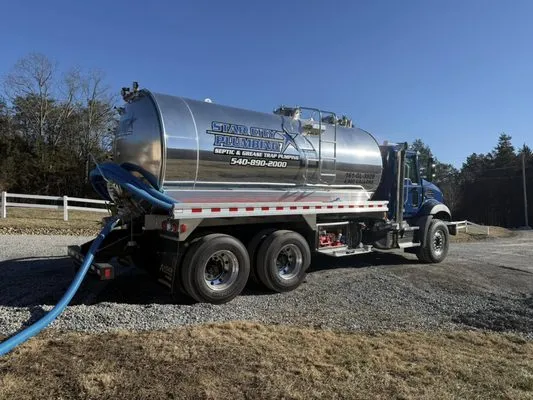
Star City Plumbing
Star City Plumbing is a fully licensed Class A plumbing contractor serving Roanoke and the broader Southwest Virginia region. We provide comprehensive plumbing services for both residential and commer...

Ironclad Plumbing is a locally owned and operated plumbing service dedicated to the residents of Roanoke, VA. We focus on clear communication, punctuality, and delivering on our promises. From the ini...
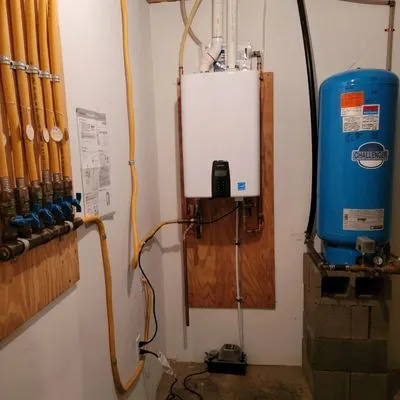
Walker's Plumbing
Walker's Plumbing has been a trusted name in Bedford for over 12 years, built on a solid foundation of 20 years in the trade. We started by plumbing new homes and remodels, which gave us an expert und...
Plumbing Champions
Plumbing Champions was founded in Rocky Mount, VA, by a Master Plumber dedicated to a simple principle: providing service you can trust. Our journey began in 2013 with a clear goal—to earn the Master ...

Classic Plumbing Solutions has been a trusted plumbing service in Roanoke, VA since 1980, founded by Cline Conner who started the business from his home in West Salem. Originally named Special Plumbin...

Fix-it Felix is a trusted home services provider based in Roanoke, VA, specializing in drywall installation and repair, plumbing, and comprehensive handyman services. With a focus on quality workmansh...
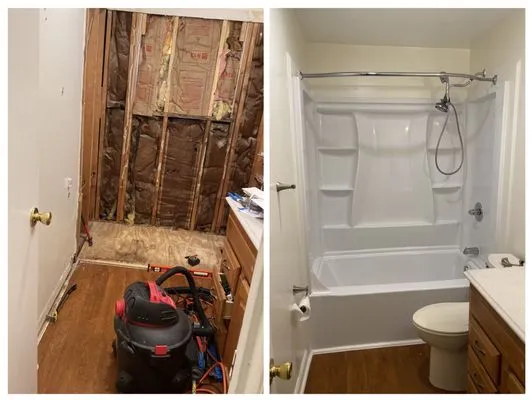
Wagner Construction & Maintenance is a trusted, local handyman and plumbing service based right here in Bedford, VA. We specialize in a wide range of essential home services, from appliance installati...
Link Construction is your locally owned and operated handyman service in Roanoke, VA. As a family-run business, we are dedicated to serving our community with a comprehensive range of home repair and ...
Estimated Plumbing Costs in Belview, VA
Common Questions
Are there special considerations for rural Belview plumbing systems?
Rural properties here typically rely on well water and septic systems rather than municipal connections. Well pumps require regular maintenance to handle hard water mineral buildup. Septic systems need professional inspection every 3-5 years, especially with the clay soils common in this area. Pressure tanks should be checked annually for proper air charge and bladder integrity.
How quickly can a plumber reach my home in Belview?
From our base near New River, we take US-460 directly into Belview Estates. Heading past New River on US-460, we can typically reach most addresses within 45-60 minutes. This route avoids backroads that might delay emergency response during peak traffic times.
Could my home's hillside location cause plumbing issues?
Hilly terrain around New River creates drainage challenges that stress main sewer lines. Gravity flow systems must handle steeper pitches, which can lead to sediment buildup in low spots. Soil shifting on slopes may put pressure on buried pipes, causing joint separation over time. Proper grading around your foundation helps direct water away from critical plumbing infrastructure.
Who handles permits for plumbing work in Montgomery County?
I coordinate directly with the Montgomery County Building Department for all required permits. As a Virginia Department of Professional and Occupational Regulation licensed master plumber, I ensure all work meets current code standards. Homeowners don't need to navigate this bureaucracy themselves - I handle the red tape so repairs proceed smoothly and legally.
My Belview Estates home was built around 2001 - should I be worried about my plumbing?
Copper pipes installed in 2001 are now 25 years old. At this age, homeowners in Belview Estates often notice pinhole leaks, especially at joints where soldering has weakened. The copper has endured decades of water pressure and mineral interaction. Regular inspections can catch these issues before they become major water damage problems.
Does New River water damage my home's plumbing fixtures?
Hard water from the New River watershed causes significant scale buildup in water heaters and fixtures. Mineral deposits accumulate inside pipes and on heating elements, reducing efficiency and lifespan. Water heaters here typically need anode rod replacement every 3-5 years to combat this corrosion. Fixtures develop reduced flow as aerators clog with calcium deposits.
What should I do before spring thaw to prevent plumbing problems?
Before temperatures drop to our 25°F lows, insulate exposed pipes in crawl spaces and attics. Drain outdoor faucets and irrigation systems completely. Keep cabinet doors open to allow warm air circulation around pipes during cold snaps. These steps prevent freeze damage that often reveals itself during spring thaw when temperatures fluctuate.
Why do my copper pipes keep developing small leaks?
Copper pipes from 2001 installations often develop pinhole leaks due to electrolytic corrosion. The copper interacts with minerals in our water and dissimilar metals in the system. Joint calcification also occurs where solder joints have degraded over 25 years. These failures typically appear first in hot water lines and at fixture connections.
