Top Emergency Plumbers in Bellwood, VA, 23237 | Compare & Call

There are 236 plumbing companies server in Bellwood VA

House Healers, founded in 2014 by former Marine Matt Arbas, is a Virginia Beach-based residential contractor. With over 18 years of construction experience and Class A licensing, Matt uniquely holds c...
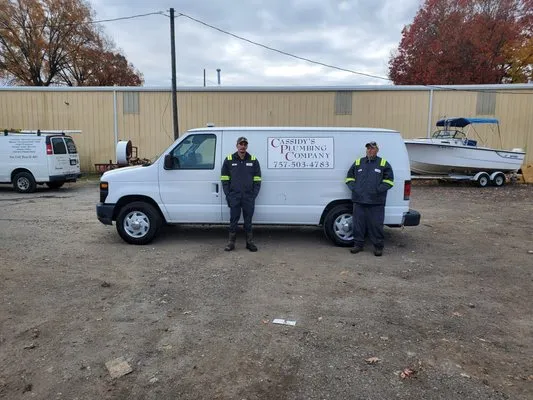
Cassidy's Plumbing & Septic is a locally owned and operated plumbing service based in Hampton, Virginia. For years, we've been the trusted call for Hampton homeowners facing a wide range of plumbing a...
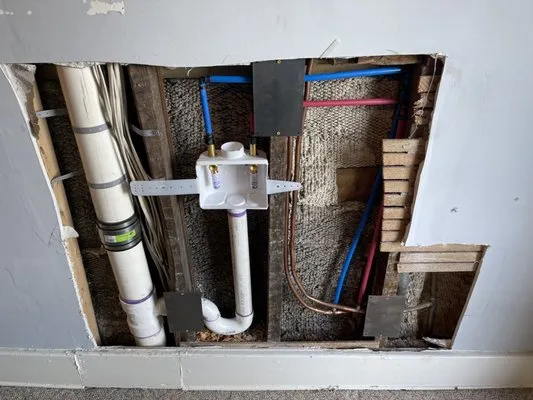
The Plumbing Officials is a locally owned plumbing service in Richmond, VA, with over 30 years of experience in the construction industry. We provide 24/7 emergency services for both residential and c...

Southern Plumbing of VA was founded by a local plumber whose passion for the trade began in high school. Partnering with two friends, he built a company dedicated to providing reliable plumbing servic...
Harry's Plumbing has been serving Richmond, VA, and surrounding areas since 2008, providing reliable plumbing services with a focus on quality and honesty. With over 25 years of industry experience, o...
White Glove Plumbing
White Glove Plumbing - Heating & Air is a trusted, family-run service division of C&L Plumbing, Inc., a name Richmond Metro homeowners have relied on for nearly 40 years. For over 35 years, our Midlot...
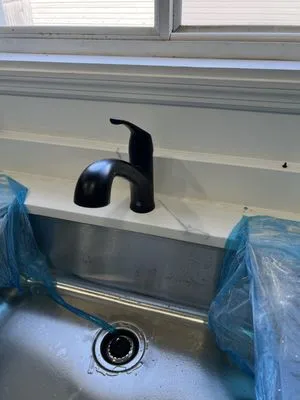
Thomas & Son Plumbing is a trusted, family-owned plumbing service proudly serving Richmond, VA, and the surrounding communities. With expertise in everything from routine faucet repairs to complex sew...
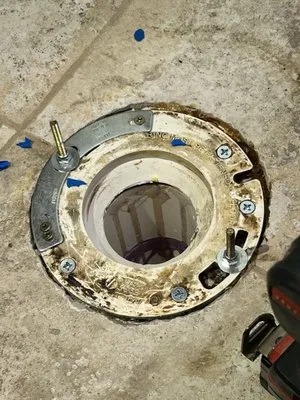
Founded on a commitment to peace of mind, OCD Handy Services brings over 31 years of plumbing expertise to homes in Henrico and the surrounding Glen Allen area. The owner's personal dedication stems f...
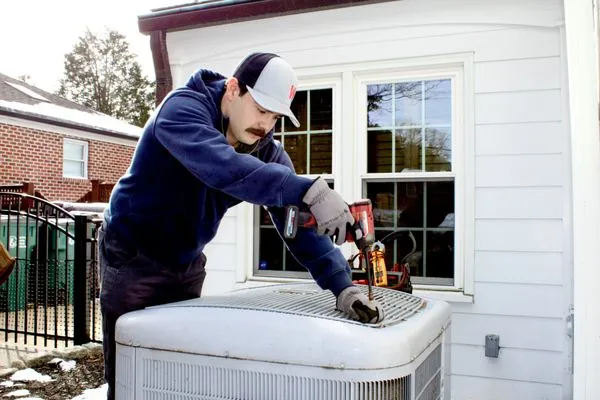
Woodfin - Your Home Team
Woodfin is Your Home Team in Richmond, VA, a family-owned and operated provider of comprehensive home services with over 47 years of local experience. Our team of licensed experts handles all your HVA...
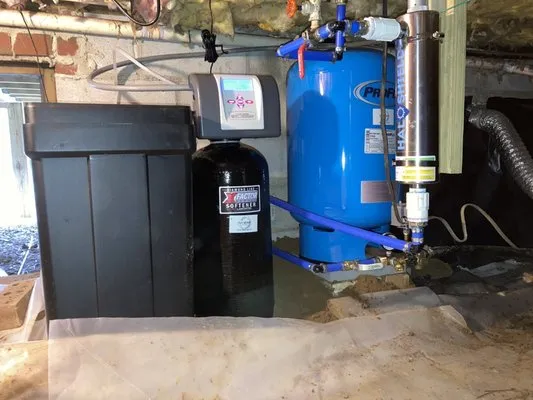
PureWater Solutions
PureWater Solutions is a family-owned and operated plumbing company proudly serving Moseley, Virginia, and the surrounding central Virginia area. Established in 2021 by a husband-and-wife team, we bri...
Estimated Plumbing Costs in Bellwood, VA
Q&A
How quickly can a plumber reach my home in Bellwood?
Heading past Dutch Gap Conservation Area on I-95 gets us into Bellwood Estates within 25-35 minutes for most calls. That route avoids downtown Richmond traffic, keeping response times consistent. We monitor local conditions like events at the conservation area to adjust our dispatch. You can expect a technician at your door in under 40 minutes for urgent issues.
Does James River water damage home plumbing systems?
James River water has high mineral content that causes scale buildup in water heaters and fixtures. This hard water reduces appliance efficiency by insulating heating elements and restricting flow through aerators. Water heaters in Bellwood homes typically need flushing every 1-2 years to remove sediment. Installing a whole-house water softener extends the life of your plumbing hardware significantly.
How does suburban plumbing differ in Bellwood Estates?
Municipal water pressure in Chesterfield County typically runs 60-80 PSI, which can stress older copper pipes over time. Tree roots from mature landscaping often invade lateral lines seeking moisture. We install pressure regulators where needed and use trenchless methods for root removal without damaging yards. Most homes here have standard sewer connections rather than septic systems.
Why do some Bellwood homes have drainage issues near Dutch Gap?
Low-lying terrain around Dutch Gap Conservation Area creates poor drainage that stresses main sewer lines. Saturated soil during wet seasons can shift pipes, causing misalignments and root intrusion. We recommend installing backflow prevention valves in basements or crawl spaces. Regular camera inspections of your main line catch these issues before they become emergencies.
Who handles permits for plumbing work in Chesterfield County?
I manage all Chesterfield County Building Inspection permits and Virginia DPOR requirements for your project. Licensed plumbers must pull permits for water heater replacements, repipes, and main line work. My credentials with the Virginia Department of Professional and Occupational Regulation ensure code compliance. You won't need to navigate bureaucracy—I handle the red tape so you can focus on your home.
Why are so many Bellwood homes built around 1987 having plumbing issues now?
Copper pipes installed in 1987 are now 39 years old, which is when pinhole leaks typically start appearing in our area. Homeowners in Bellwood Estates are noticing small leaks behind walls or under sinks, often with blue-green stains from corrosion. This happens because the protective lining inside copper pipes wears down over decades of use. Addressing these early with spot repairs can prevent more extensive water damage.
What causes those tiny leaks in older copper pipes around here?
Pinhole leaks develop in 39-year-old copper pipes due to joint calcification and internal corrosion. Hard water minerals accelerate wear at solder joints, creating weak spots that eventually fail. We often find these leaks near elbows and tees where water turbulence is highest. Replacing affected sections with dielectric unions prevents galvanic corrosion between dissimilar metals.
What should I do before spring thaw to avoid plumbing problems?
Insulate exposed pipes in crawl spaces before temperatures drop to 28°F, especially on north-facing walls. Disconnect and drain outdoor hoses to prevent backflow freezing in spigots. Keep cabinet doors open under sinks during cold snaps to allow warm air circulation. These steps are crucial in our temperate climate where sudden thaws can reveal weaknesses in older plumbing.
