Top Emergency Plumbers in Adwolf, VA, 24319 | Compare & Call

There are 15 plumbing companies server in Adwolf VA
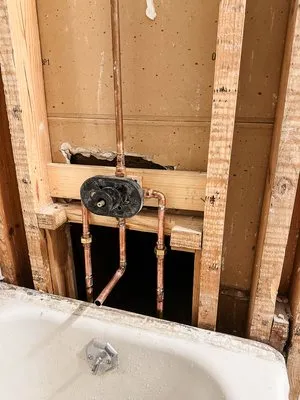
Overbeek Plumbing and Electrical is a trusted, locally-owned and operated service provider for Bristol, TN, and the surrounding Tri-Cities area. We offer comprehensive solutions for both plumbing and ...
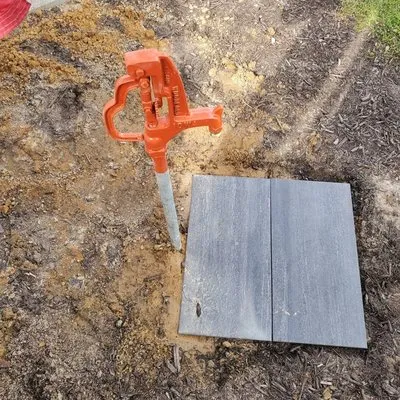
DeAtley Plumbing is a family-owned plumbing service based in Christiansburg, VA, with over 15 years of experience serving Southeastern Virginia. We specialize in a comprehensive range of plumbing serv...
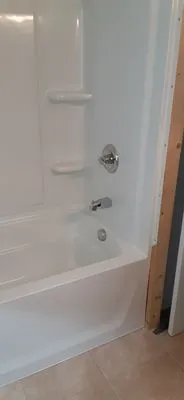
R Plumbing has been the trusted local plumbing company in Dugspur and the surrounding area for over 40 years. As an owner-operated business, we provide quality, professional plumbing services for both...
K & C Plumbing is your trusted local plumber serving Woodlawn, VA, and the surrounding communities. We specialize in the full spectrum of residential plumbing services, from faucet, sink, and toilet r...
Rapids Serve
Rapids Serve is a locally owned and operated plumbing and appliance service company in Barren Springs, founded by David Ayron Davis. After a career shift from professional boxing, David channeled his ...
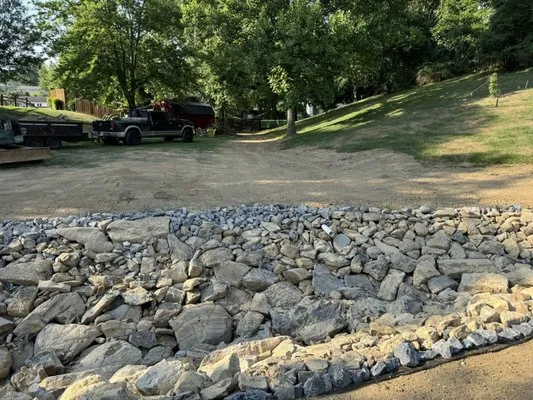
Pipes & Drains Plumbing is your trusted, local plumbing expert in Sugar Grove, VA. We understand that many homes in our area face common issues like pipe corrosion and broken shutoff valves, which can...
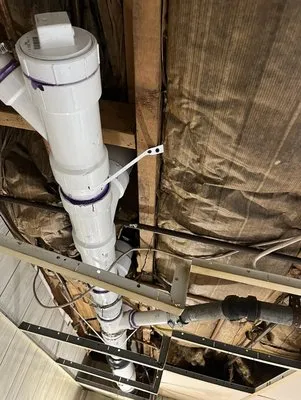
Miller's Plumbing and Repairs is a locally-owned and operated business serving Abingdon and the surrounding area. With a career spanning decades since learning the trade in 1973, I bring a wealth of p...
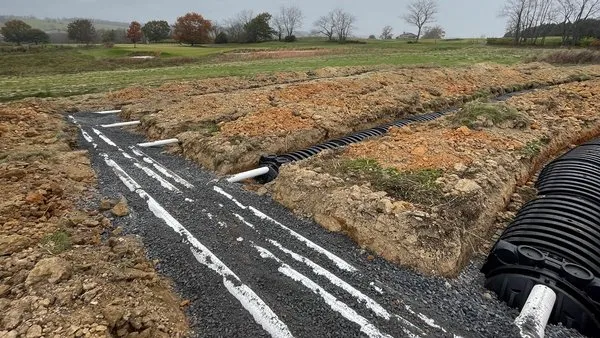
Complete Plumbing Septic & Drain Solutions
Complete Plumbing Septic & Drain Solutions is a family-owned plumbing and septic service company based in Abingdon, VA, with over 25 years of experience serving Washington County and Smyth County. As ...
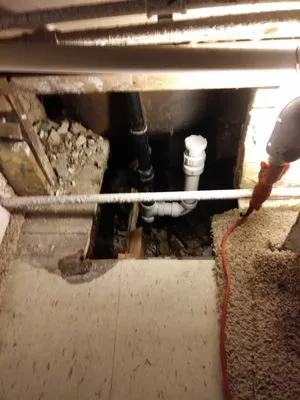
Asbury Plumbing and Pipe Fitting is a family-owned plumbing service in Bristol, VA, with deep roots in the community. Founded in 1986 by a master plumber, the business is now led by his son Freddie, a...

Precision Services
Precision Services is a trusted handyman and home repair business serving Abingdon, VA, and the surrounding area. We specialize in a wide range of services to keep your home in top condition, includin...
Estimated Plumbing Costs in Adwolf, VA
Frequently Asked Questions
Are the old copper pipes in my Adwolf house from the late '70s about to start failing?
Copper pipes installed around 1978 are now 48 years old, which is a typical lifespan for this material. In homes across Atkins, we're seeing a predictable pattern of pinhole leaks and joint fatigue, especially at solder points. The copper wall has thinned from decades of water flow, and the initial protective mineral layer is gone. This isn't a sudden collapse, but a phase where proactive inspection can prevent a minor drip from becoming major water damage.
Why does my copper plumbing from the 1970s keep springing pinhole leaks?
Copper pipe from that era is susceptible to a process called Type 1 pitting corrosion, often accelerated by our local water chemistry. After nearly five decades, microscopic pits in the pipe wall deepen until they penetrate, creating those frustrating pinhole leaks. The problem frequently starts at horizontal runs or fittings where water velocity slows, allowing corrosive elements to settle. Re-piping affected sections with new copper or modern alternatives like PEX is the definitive repair.
Can hard water from my private well really damage my plumbing fixtures and water heater?
Yes, the high mineral content in local well water causes scale buildup that acts like plaque in your pipes. Inside a water heater, this scale insulates the heating element, forcing it to work harder and fail prematurely. You'll also see reduced flow at faucet aerators and showerheads, and it can compromise the seals in toilet fill valves. Installing a whole-house water softener or conditioner is the most effective long-term solution to protect your entire system.
What's different about maintaining a plumbing system with a private well and septic tank?
You're responsible for the entire water cycle, from the well pump and pressure tank to the septic drain field. A failing pressure switch or waterlogged tank can mimic the symptoms of a leak. On the septic side, what goes down your drain directly impacts the system's health; avoid garbage disposals and harsh chemicals. Scheduling regular septic pumping every 3-5 years and annual well system checks are non-negotiable for rural system longevity.
How long will it take for a plumber to get to my home in rural Smyth County?
From my shop, heading past Hungry Mother State Park to catch I-81 puts most of Adwolf and Atkins within a 45 to 60 minute dispatch window. I plan routes around known traffic patterns and construction to keep that estimate reliable. For true emergencies, that clock starts the moment you call, and I provide updates if mountain weather or an accident on 81 causes a delay.
Could the hilly land around my home near Hungry Mother State Park be causing plumbing problems?
Absolutely. The significant slope common here places constant stress on the main water line running from your well to the house. Over years, this can cause the line to sag, pull apart at connections, or even fracture. Proper bedding and support during installation are crucial. For drainage, hilly terrain can cause yard drains to fail or septic system components to settle unevenly, leading to backups or surface pooling that needs grading correction.
What's the most important thing to do with my plumbing before the spring thaw hits the mountains?
The critical move is to disconnect any garden hoses from your exterior hose bibs before nighttime temperatures consistently drop below freezing. A trapped hose prevents the bib from draining, and the subsequent freeze and thaw cycle can split the pipe inside your wall. Insulating exposed pipes in crawl spaces is also wise, as our 24-degree lows can sneak up on you. A small drip from faucets during a hard freeze can keep water moving and prevent a burst.
Do I need a permit from Smyth County to replace my water heater or re-pipe my house?
Yes, most major plumbing work requires a permit from Smyth County Building Inspections. As a Master Plumber licensed by the Virginia Department of Professional and Occupational Regulation, I pull those permits, schedule the required inspections, and ensure the work meets all current code. Handling this red tape is part of the job—it protects your investment and ensures the system is safe and insurable. You shouldn't have to navigate that process alone.
