Top Emergency Plumbers in Riverdale, UT, 84405 | Compare & Call

There are 237 plumbing companies server in Riverdale UT
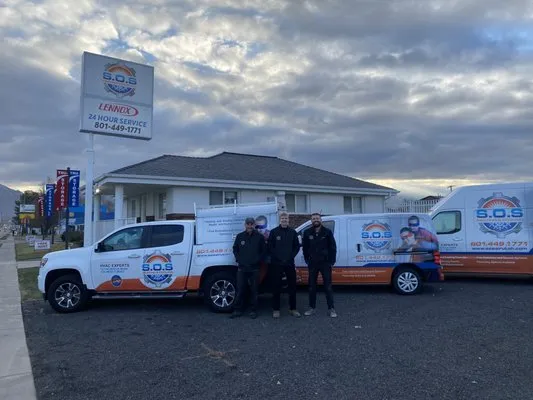
S.O.S. Heating & Cooling
S.O.S. Heating & Cooling is a licensed and insured HVAC and plumbing service provider serving Salt Lake City, UT, and the surrounding Wasatch Front area. We offer comprehensive heating, cooling, and p...

Expert Services - Salt Lake City
Expert Services - Salt Lake City is a locally owned and operated plumbing, HVAC, and electrical service provider serving Salt Lake and Utah Counties. With over 50 years of combined experience, the com...

Blue Best Home Experts is a proudly women-owned, BBB-accredited company serving Bountiful and the Wasatch Front with over 20 years of experience. As a local, family-operated business, they provide rel...
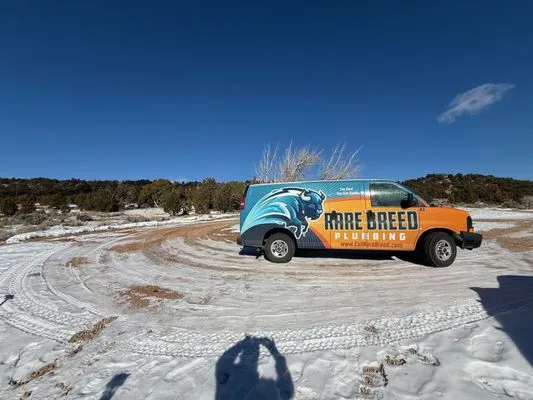
Rare Breed Plumbing
Rare Breed Plumbing is a licensed plumbing company serving Bountiful, UT, and surrounding areas since 2019. We provide comprehensive residential plumbing services, including bathtub and shower install...
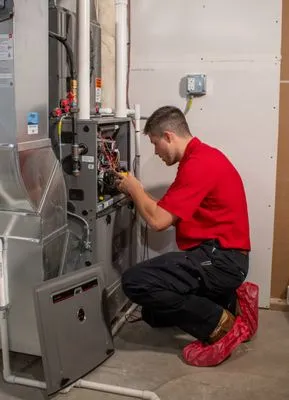
Golden Rule Plumbing, Heating & Cooling
Golden Rule Plumbing, Heating & Cooling is a family-run business bringing over 25 years of experience from Des Moines, IA to North Salt Lake, UT, where it expanded in summer 2024. Operating with a com...
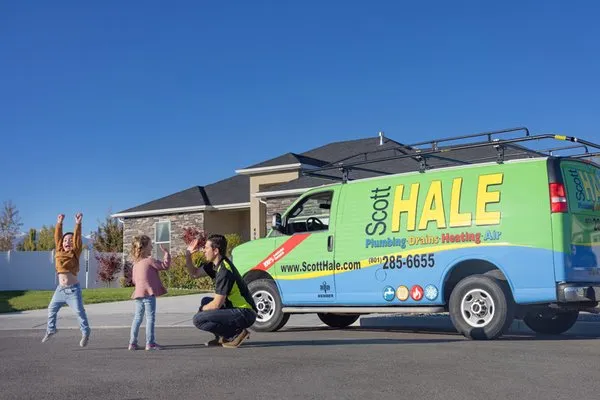
Scott Hale Plumbing Heating & Air
Scott Hale Plumbing, Heating & Air has been serving Murray and the greater Salt Lake City area since 1984. As a fully licensed local provider, we offer reliable, same-day service for all your plumbing...
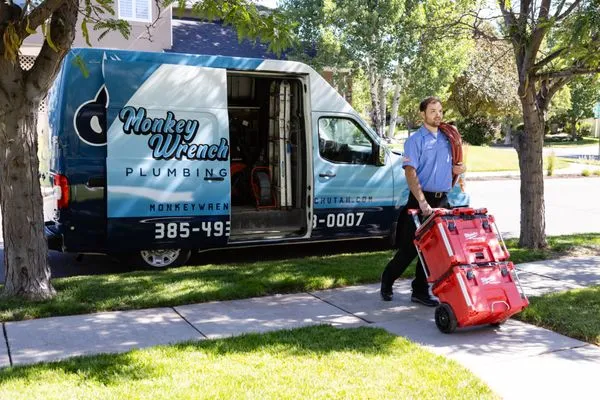
Monkey Wrench Plumbing, Sewer & Drain
Monkey Wrench Plumbing, Sewer & Drain was founded in 2018 with a clear mission: to be Salt Lake City's most trusted plumber. We built our company on the principle of treating every customer like famil...
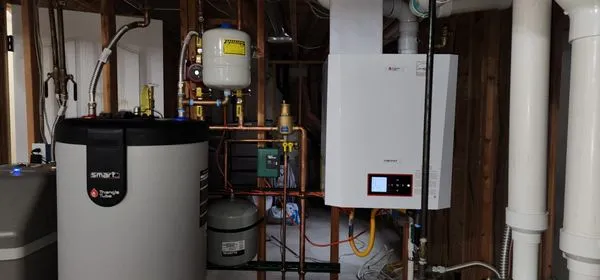
The Other Buddy Boilers & Radiant Heating
The Other Buddy Boilers & Radiant Heating serves Taylorsville and surrounding Wasatch Front communities with over 25 years of dedicated plumbing and hydronic heating expertise. As licensed specialists...
Emet plumbing services
Emet Plumbing Services is a trusted provider in Salt Lake City, UT, dedicated to reliable plumbing and HVAC solutions. Our connections are sealed in truth and excellence, reflecting our commitment to ...
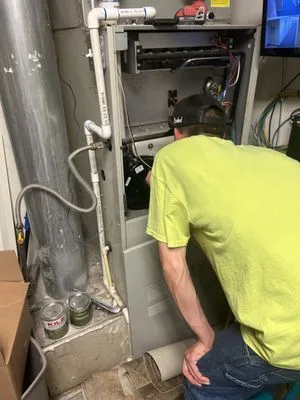
ProService Plumbing & Heating
ProService Plumbing & Heating is a trusted, locally-owned and operated business serving South Salt Lake and the greater Salt Lake City area. Combining decades of hands-on plumbing and mechanical exper...
Estimated Plumbing Costs in Riverdale, UT
Questions and Answers
Do I need a permit to replace my water heater in Riverdale?
Yes, Riverdale City Building Department requires a permit for water heater replacements to ensure proper venting and seismic strapping. As a master plumber licensed through the Utah Division of Professional Licensing, I pull all necessary permits, schedule inspections, and handle the red tape so you don't have to. This ensures the work is documented and up to code, which is crucial for your home's safety and resale value.
As a suburban homeowner, what should I know about my water system?
In Riverdale's suburban setting, you're on a municipal water system with consistent, high pressure. This is generally good, but it can exacerbate small leaks in aging pipes. The most common external issue is tree roots infiltrating the sewer lateral from your house to the city main. Regular camera inspections of that lateral are a wise investment to catch root intrusion before it causes a backup.
What's one plumbing tip for the cold, dry winters here?
The low temperatures, around 22°F, combined with our arid climate, create a major risk for outdoor spigots. A key pro-tip is to disconnect and drain garden hoses every fall and install frost-proof sillcocks. The dry air can also cause pipe gaskets and washers to shrink and crack. Checking these components before the deep cold sets in can prevent leaks both inside and outside the home.
Are copper pipes from the 80s a problem in Riverdale?
Copper plumbing installed around 1986 is now 40 years old. Homeowners in Riverdale Heights are starting to see a specific failure mode: pinhole leaks from internal corrosion. The pipes haven't failed completely, but you'll notice small, persistent drips, often behind walls or under sinks. This is the expected lifespan for copper under our water conditions, so it's time to plan for a repipe rather than chasing endless spot repairs.
How fast can a plumber get to my house in Riverdale?
From my shop near Riverdale Park, I take I-15 north or south to reach most calls. Heading past Riverdale Park on I-15, I can typically be at your door in 20 to 30 minutes. Knowing the on and off ramps keeps response predictable, even during heavier traffic. This dispatch route covers the core of Riverdale and Riverdale Heights efficiently.
Does the hilly land in Riverdale affect my sewer line?
The slope of the land, especially around areas like Riverdale Park, puts constant gravitational stress on your main sewer line. Over decades, this can cause the pipe to sag or separate at the joints, creating a belly that collects waste and leads to repeated blockages. Soil shifting on these grades can also stress the water service line where it enters your home's foundation, potentially causing a leak.
Does hard water from the Weber River damage plumbing?
Water from the Weber River is very hard, meaning it carries a high mineral content. This leads to scale buildup inside pipes and, more critically, inside water heaters. The scale acts as an insulator, forcing your water heater to work harder and fail prematurely. You'll also see mineral deposits clogging aerators on faucets and showerheads, reducing pressure and efficiency over time.
What goes wrong with 40-year-old copper pipes?
The main technical failure for copper of this age is pinhole leaks caused by a combination of water chemistry and erosion corrosion. Joints can also suffer from calcification, restricting flow. You might hear a ticking sound in the walls as pipes expand and contract over weakened areas. These leaks often start small but can quickly saturate drywall and subflooring, leading to significant water damage.
