Top Emergency Plumbers in Richfield, UT, 84701 | Compare & Call

There are 82 plumbing companies server in Richfield UT
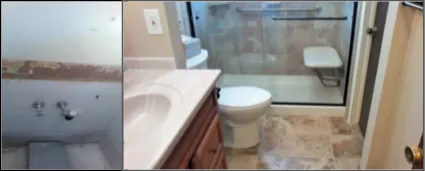
First Choice Plumbing
First Choice Plumbing is a Salt Lake City plumbing company built on a lifetime of expertise. Founded and personally operated by Master Plumber Frank Tovar, we bring over 40 years of industry experienc...

Frontier Plumbing & Heating
Frontier Plumbing & Heating is a licensed, family-owned plumbing and heating service provider serving South Jordan and the greater Salt Lake County area. With over 22 years of experience, we specializ...

Eric's Plumbing and Drain Cleaning
Eric's Plumbing and Drain Cleaning is a trusted, family-owned and operated plumbing company serving Spanish Fork and the greater Provo area since 2010. For over 13 years, we've built our reputation on...

Five Star Bath Solutions of Salt Lake City is a West Jordan-based bathroom remodeling and plumbing company owned by Ken Morton. We focus on delivering lasting quality without cutting corners on materi...
All States Mechanical LLC
Chuck, with over 25 years of industry experience, founded All States Mechanical LLC in Midvale on a foundation of trust and reliability. His deep commitment to outstanding customer service and buildin...
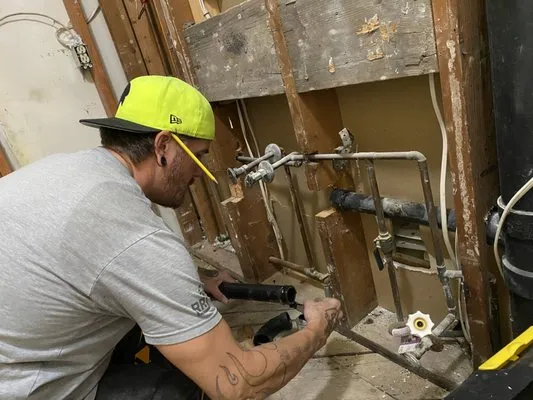
2 Cousins Construction is a Provo-based home service company specializing in comprehensive residential construction and repair. We handle everything from bathtub and shower installations to drywall wo...

HRB Plumbing & Heating
HRB Plumbing & Heating has been a trusted name in Nephi and surrounding Utah counties for over 22 years. We are a locally owned and operated business built on honesty, integrity, and a commitment to q...
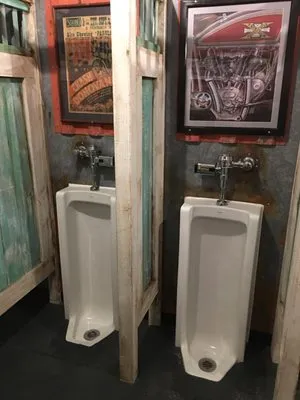
Harward Mechanical is a trusted plumbing and HVAC service provider serving Mount Pleasant, UT, and surrounding areas. With expertise in a comprehensive range of services including bathtub, drain, fauc...
Taurus Plumbing & Excavating
Taurus Plumbing & Excavating has been a trusted fixture in Nephi for over four decades, providing reliable solutions for both residential and commercial clients. We are a full-service company that com...

Tankless Xperts and Plumbing
Tankless Xperts and Plumbing is your local, licensed plumbing partner in Eagle Mountain, UT, owned and operated by a Master Plumber with over 17 years of comprehensive experience. We handle everything...
Estimated Plumbing Costs in Richfield, UT
FAQs
Do I need a permit from Richfield City to replace my water heater?
Yes, Richfield City Planning and Zoning requires a permit for water heater replacement to ensure the new installation meets current code for earthquake strapping and proper venting. As a master plumber licensed by the Utah Division of Professional Licensing, I pull that permit, schedule the inspection, and handle all the red tape. You get the updated paperwork for your home records, and the city has a record of the safe, compliant upgrade.
How fast can a plumber get to my house in Richfield in an emergency?
Heading past Fishlake National Forest on I-70 gets me into the Richfield valley quickly. From my shop, a typical dispatch route uses I-70 to access most neighborhoods within a 20-30 minute window. I keep common parts for 50-year-old copper systems on the truck to avoid a second trip. The goal is to have my boots on your property before a small leak turns into a major water event.
My Richfield home's copper pipes were installed around 1976. What kind of problems should I expect now?
Copper installed in 1976 is now 50 years old. In Downtown Richfield, we see this age manifest in three main ways. Thinning walls from decades of water flow lead to pinhole leaks, often behind walls. Solder joints from that era can become brittle and fail, and the pipe itself can develop a patina of internal corrosion that reduces water pressure. These issues aren't catastrophic failure, but a steady increase in maintenance calls.
Could the hilly terrain around Richfield be causing my drainage problems?
The slope from areas near Fishlake National Forest down into town directly affects drainage. For sewer lines, a steep pitch can cause water to outrun solids, leading to clogs. For water mains coming uphill to your house, the constant pressure stress can fatigue older copper. We also see lateral lines on slopes shift over time, creating low spots that collect debris. A camera inspection can map your line's pitch and identify these stress points.
What's the most important plumbing tip for Richfield's cold winters and dry climate?
Disconnect and drain your garden hoses every fall without fail. That 18-degree low can freeze the water trapped in the hose bib, cracking the pipe inside your wall. In our arid climate, soil shrinks and can leave water lines less insulated. A pro-tip is to install frost-proof sillcocks, which shut the water off inside the warm wall cavity. This simple upgrade prevents the most common freeze call I get after the first hard frost.
Does hard water from the Sevier River ruin water heaters?
Yes, the minerals from the Sevier River settle as scale inside the tank. This scale acts as an insulator, forcing the heater to work harder and fail sooner. Anode rods in heaters here get consumed rapidly, sometimes in under three years. For tank-style heaters, an annual flush and checking the anode is critical. Many homeowners opt for a tankless unit with a built-in descaler to manage the hard water more effectively.
Why do my old copper pipes keep springing pinhole leaks?
Pinhole leaks in 1970s copper are often due to a process called Type 1 pitting corrosion. Our hard, mineral-rich water accelerates wear at specific weak points in the pipe wall. Over 50 years, this creates microscopic pits that eventually penetrate. We find them most often on horizontal hot water lines, where scale and oxygen interact. Replacing a section is a fix, but whole-house repiping may be the most reliable long-term solution.
As a rural homeowner near Richfield, what unique plumbing systems do I need to maintain?
Your focus shifts from city mains to your private well and septic system. Well pumps and pressure tanks have a finite lifespan and are stressed by our hard water. Septic systems require regular pumping every 3-5 years, and the drain field's health is paramount. Avoid garbage disposals, which add solids that clog the leach field. I always recommend installing a whole-house water softener; it protects every appliance and extends the life of your well equipment.
