Top Emergency Plumbers in Helper, UT, 84526 | Compare & Call

There are 240 plumbing companies server in Helper UT
At Your Service Pros is a family-owned HVAC, plumbing, and electrical contractor serving American Fork and the greater Salt Lake City area since 2003. Founded by brothers Kris and Jarrett Sorensen, th...
S.O.S. Heating & Cooling
S.O.S. Heating & Cooling is a licensed and insured HVAC and plumbing service provider serving Salt Lake City, UT, and the surrounding Wasatch Front area. We offer comprehensive heating, cooling, and p...

Expert Services - Salt Lake City
Expert Services - Salt Lake City is a locally owned and operated plumbing, HVAC, and electrical service provider serving Salt Lake and Utah Counties. With over 50 years of combined experience, the com...
Salt Lake Plumbing
Salt Lake Plumbing is a locally owned and operated plumbing company serving the entire Wasatch Front, including Salt Lake City, Ogden, Provo, Park City, and Tooele. With decades of combined experience...

Blue Best Home Experts is a proudly women-owned, BBB-accredited company serving Bountiful and the Wasatch Front with over 20 years of experience. As a local, family-operated business, they provide rel...
Rare Breed Plumbing
Rare Breed Plumbing is a licensed plumbing company serving Bountiful, UT, and surrounding areas since 2019. We provide comprehensive residential plumbing services, including bathtub and shower install...
Salt City Plumbing, Heating & Air
Salt City Plumbing, Heating & Air is a locally-owned and operated service provider in Salt Lake City, UT, with over a decade of experience in the plumbing industry. We've expanded our expertise to inc...
Master Plumbing Robert Holstine
Master Plumbing Robert Holstine is a trusted, licensed plumbing and remodeling contractor serving Salt Lake City and surrounding areas. We specialize in comprehensive solutions for common local plumbi...
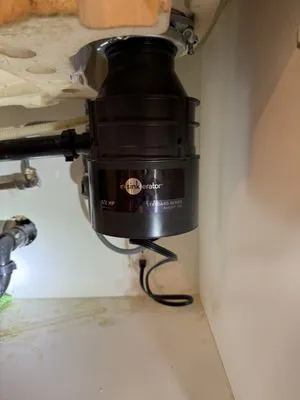
Cavalier Plumbing
Cavalier Plumbing is a trusted, licensed plumbing contractor based in Salt Lake City, serving our community in Sandy, Murray, Bountiful, Riverton, Draper, and across the Wasatch Front. Our professiona...
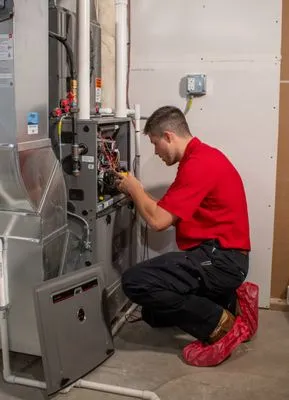
Golden Rule Plumbing, Heating & Cooling
Golden Rule Plumbing, Heating & Cooling is a family-run business bringing over 25 years of experience from Des Moines, IA to North Salt Lake, UT, where it expanded in summer 2024. Operating with a com...
Estimated Plumbing Costs in Helper, UT
Common Questions
Who handles permits for plumbing work in Helper?
The Helper City Building Department requires permits for most plumbing modifications, especially when replacing galvanized lines. As a Utah Division of Professional Licensing credentialed master plumber, I submit all paperwork and coordinate inspections. Homeowners avoid bureaucratic delays while ensuring work meets current code for safety and insurance purposes. I handle the red tape so you don't have to.
Does Price River water damage my plumbing fixtures?
Hard water from the Price River causes scale buildup that reduces water heater efficiency by 20-30% over five years. Mineral deposits coat heating elements and tank interiors, forcing heaters to work harder while providing less hot water. Fixtures develop restricted flow as aerators and valve seats accumulate calcium deposits. Regular descaling extends appliance life in Helper's water conditions.
Does Helper's hilly terrain affect my drainage system?
Slopes around Helper Western Mining and Railroad Museum create drainage challenges where water follows the path of least resistance. Downhill properties experience increased hydrostatic pressure on foundation drains, while uphill homes deal with soil erosion exposing service lines. Main lines running along contours often develop stress fractures from ground movement. Proper grading and reinforced pipe bedding prevent most terrain-related failures.
How quickly can a plumber reach my home in Helper?
Heading past Helper Western Mining and Railroad Museum on US-6, most service calls take 45-60 minutes from dispatch. That route covers the main residential areas while avoiding backroad delays. For urgent leaks, we prioritize direct paths along US-6 to minimize response time while ensuring we arrive with the right tools for galvanized steel or hard water issues common here.
How should I prepare my plumbing for Helper's cold snaps?
Insulate pipes in unheated crawl spaces before temperatures hit 15°F. During spring thaw, check for new leaks as ground shifting stresses older connections. In this arid climate, maintain consistent indoor humidity to prevent pipe condensation that accelerates corrosion. A pro-tip: drain outdoor lines completely before winter rather than relying on slow drips that can freeze in extended cold.
Why are my pipes suddenly failing in my Helper home?
Galvanized steel pipes installed around 1947 are now 79 years old. Homeowners in Downtown Helper are seeing widespread rust-through, with sections of pipe becoming so thin they collapse under normal water pressure. This aging infrastructure often fails first at threaded joints where corrosion accelerates, leading to sudden leaks in walls or under floors. Many houses from that era need complete repiping to avoid recurring emergencies.
What causes those tiny leaks in my old pipes?
Galvanized steel pipes from 1947 often develop pinhole leaks due to internal corrosion called tuberculation. Mineral deposits build up unevenly, creating weak spots where the pipe wall thins and eventually perforates. These leaks typically start at joints or bends where water turbulence accelerates wear. Once pinholes appear, the surrounding metal is usually compromised and will continue failing.
Are septic systems common in Helper's rural areas?
Many properties outside downtown use septic systems with wells rather than municipal connections. Hard water accelerates scale buildup in well pumps and pressure tanks, requiring more frequent maintenance. Septic fields on hillsides need careful placement to avoid runoff issues during heavy rain. We recommend septic inspections every three years given the soil conditions and water hardness here.
