Top Emergency Plumbers in Fountain Green, UT, 84632 | Compare & Call

There are 240 plumbing companies server in Fountain Green UT
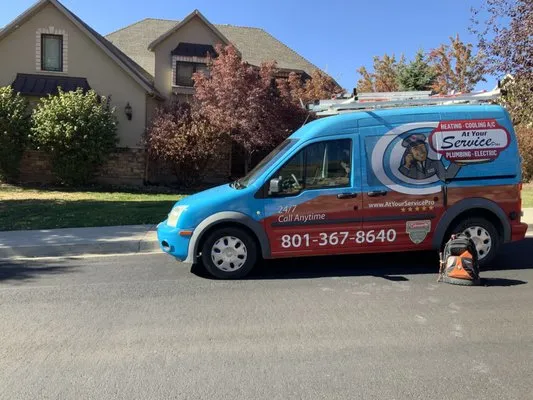
At Your Service Pros is a family-owned HVAC, plumbing, and electrical contractor serving American Fork and the greater Salt Lake City area since 2003. Founded by brothers Kris and Jarrett Sorensen, th...
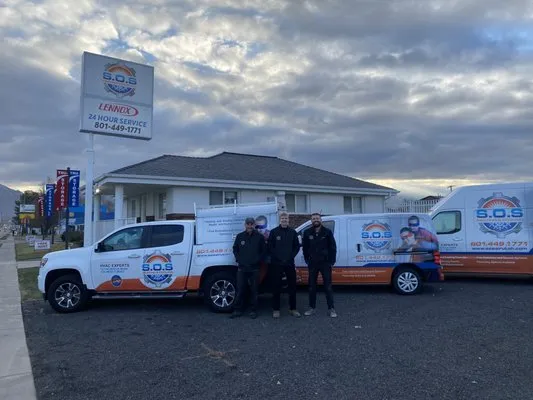
S.O.S. Heating & Cooling
S.O.S. Heating & Cooling is a licensed and insured HVAC and plumbing service provider serving Salt Lake City, UT, and the surrounding Wasatch Front area. We offer comprehensive heating, cooling, and p...

Expert Services - Salt Lake City
Expert Services - Salt Lake City is a locally owned and operated plumbing, HVAC, and electrical service provider serving Salt Lake and Utah Counties. With over 50 years of combined experience, the com...
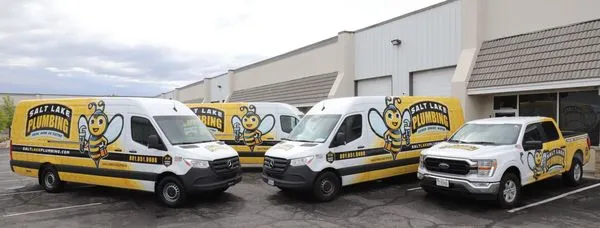
Salt Lake Plumbing
Salt Lake Plumbing is a locally owned and operated plumbing company serving the entire Wasatch Front, including Salt Lake City, Ogden, Provo, Park City, and Tooele. With decades of combined experience...

Blue Best Home Experts is a proudly women-owned, BBB-accredited company serving Bountiful and the Wasatch Front with over 20 years of experience. As a local, family-operated business, they provide rel...
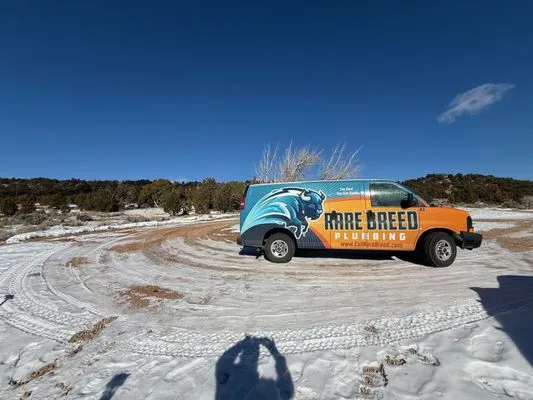
Rare Breed Plumbing
Rare Breed Plumbing is a licensed plumbing company serving Bountiful, UT, and surrounding areas since 2019. We provide comprehensive residential plumbing services, including bathtub and shower install...

Salt City Plumbing, Heating & Air
Salt City Plumbing, Heating & Air is a locally-owned and operated service provider in Salt Lake City, UT, with over a decade of experience in the plumbing industry. We've expanded our expertise to inc...
Master Plumbing Robert Holstine
Master Plumbing Robert Holstine is a trusted, licensed plumbing and remodeling contractor serving Salt Lake City and surrounding areas. We specialize in comprehensive solutions for common local plumbi...
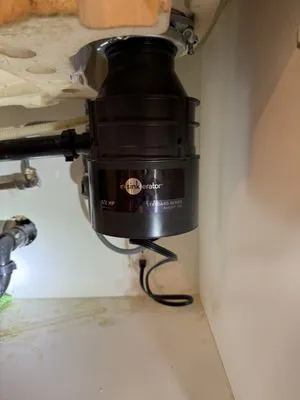
Cavalier Plumbing
Cavalier Plumbing is a trusted, licensed plumbing contractor based in Salt Lake City, serving our community in Sandy, Murray, Bountiful, Riverton, Draper, and across the Wasatch Front. Our professiona...
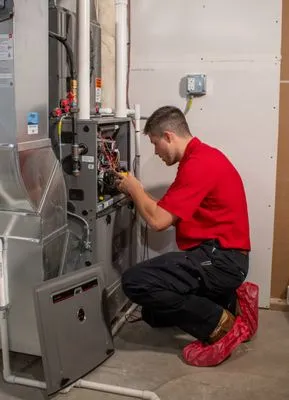
Golden Rule Plumbing, Heating & Cooling
Golden Rule Plumbing, Heating & Cooling is a family-run business bringing over 25 years of experience from Des Moines, IA to North Salt Lake, UT, where it expanded in summer 2024. Operating with a com...
Estimated Plumbing Costs in Fountain Green, UT
Frequently Asked Questions
Why do my copper pipes keep springing pinhole leaks?
Copper pipe installed in the early 1980s is prone to pinhole leaks from a process called Type 1 pitting. Aggressive local water, combined with 45 years of micro-turbulence, wears away the interior lining. The leaks often start at fittings or in horizontal runs, appearing as a fine spray or a slow drip that can cause significant hidden damage before it's noticed.
How long does it take for a plumber to get here in an emergency?
From our dispatch, heading past Fountain Green City Hall onto State Route 132 is the main route into the community. Accounting for local roads and the terrain, a 45 to 60 minute response window for a true emergency is standard. We plan routes knowing that getting off the state highway adds time, so we prioritize calls based on water shut-off capability and property damage risk.
Does hard well water ruin my water heater and fixtures?
Yes, the mineral content from private wells accelerates scale buildup. Inside your water heater, this sediment acts as an insulator, forcing the unit to work harder and fail prematurely. On fixtures, scale clogs aerators and showerheads, reducing flow and pressure. An annual drain and flush of the water heater is not just recommended; it's necessary to extend its life here.
Could the hilly land be causing my slow drains or sewer problems?
The slope around properties, especially near Fountain Green City Hall, can stress sewer mains and building drains. Over decades, gravity can cause soil to shift, putting pressure on pipes and creating low spots where waste and sediment collect. This often shows up as chronic slow drains in lower-level fixtures, indicating a belly or break in the main line that needs camera inspection.
Do I need a permit to replace my water heater or re-pipe my house?
Yes, Sanpete County requires permits for major plumbing work to ensure it meets code, especially for seismic straps on water heaters and proper venting. As a master plumber licensed with the Utah Division of Professional Licensing, I handle pulling those permits and scheduling inspections. This manages the red tape for you and guarantees the work is documented and legal for your home's records.
Our house was built in the 1980s, are the original pipes a problem?
Homes built around 1980 have copper pipes that are now 45-50 years old. On Main Street Corridor, homeowners are calling about pinhole leaks appearing in the hot water lines and at solder joints. Copper thins from decades of water flow and mineral abrasion, and this is the typical lifespan where that wear starts to manifest as sudden, persistent leaks in walls and under slabs.
Is maintaining a private well and septic system different from city utilities?
Absolutely. Your well pump, pressure tank, and septic system are your responsibility. A failing pressure switch on the well can mimic a plumbing leak, causing no water. Septic systems require regular pumping every 3-5 years; neglecting this can lead to backups into the home. Understanding this closed loop system is key to troubleshooting issues before they become emergencies.
What's the most important thing to do before spring thaw to avoid plumbing issues?
Before the spring thaw hits its peak, disconnect and drain all outdoor hoses. Even with our arid climate, overnight lows near 15 degrees can cause water in those hose bibs to freeze and crack the pipe inside the wall. Insulating exposed pipes in crawl spaces is a good step, but the hose bib is the most common failure point we see after a cold snap.
