Top Emergency Plumbers in Ballard, UT, 84066 | Compare & Call

There are 69 plumbing companies server in Ballard UT
Rare Breed Plumbing
Rare Breed Plumbing is a licensed plumbing company serving Bountiful, UT, and surrounding areas since 2019. We provide comprehensive residential plumbing services, including bathtub and shower install...
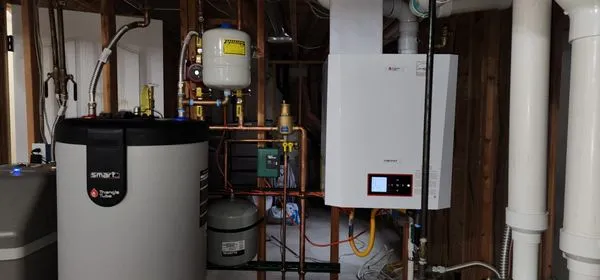
The Other Buddy Boilers & Radiant Heating
The Other Buddy Boilers & Radiant Heating serves Taylorsville and surrounding Wasatch Front communities with over 25 years of dedicated plumbing and hydronic heating expertise. As licensed specialists...
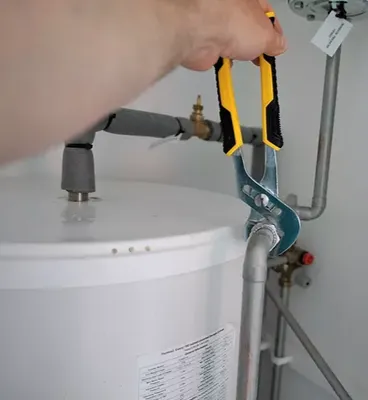
Right Choice Plumbing
Right Choice Plumbing is a family-owned, licensed, and insured plumbing service rooted in Morgan, UT. With over 25 years of dedicated experience, owner and Master Plumber Tony combines deep technical ...
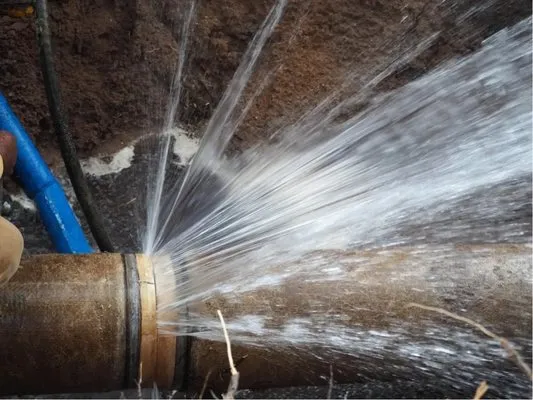
Water Main Utah is a trusted plumbing service provider based in Salt Lake City, UT, specializing in water main and sewer line solutions. With expertise in trenchless 'no-dig' methods, we offer efficie...
First Choice Plumbing
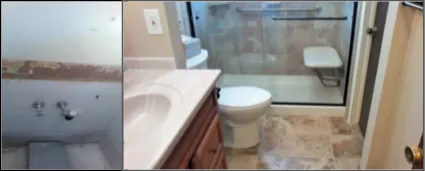
First Choice Plumbing is a Salt Lake City plumbing company built on a lifetime of expertise. Founded and personally operated by Master Plumber Frank Tovar, we bring over 40 years of industry experienc...
24 Hour Rooter Connectionz Plumbing & Drain Cleaning
24 Hour Rooter Connectionz Plumbing & Drain Cleaning has been Salt Lake City's trusted plumbing service for over 15 years. Founded to meet the need for reliable drain and sewer services in Salt Lake C...

Frontier Plumbing & Heating
Frontier Plumbing & Heating is a licensed, family-owned plumbing and heating service provider serving South Jordan and the greater Salt Lake County area. With over 22 years of experience, we specializ...
Drain Tech is a veteran-owned plumbing company serving Layton, UT, and the northern Wasatch Front for over 25 years. We specialize in drain repair, garbage disposal services, plumbing installations an...

Eric's Plumbing and Drain Cleaning
Eric's Plumbing and Drain Cleaning is a trusted, family-owned and operated plumbing company serving Spanish Fork and the greater Provo area since 2010. For over 13 years, we've built our reputation on...
Admiral Plumbing Heating Cooling
Admiral Plumbing Heating Cooling is a locally-owned and operated Pleasant Grove contractor, founded in 2001 by licensed Master Plumber Mike Birchett. Mike's hands-on approach means he's often in the f...
Estimated Plumbing Costs in Ballard, UT
Questions and Answers
Why are my copper pipes starting to fail?
Copper pipe from the early 90s is prone to a specific failure called Type 2 pitting corrosion. This isn't a general leak but a localized, aggressive pitting inside the pipe wall, often triggered by the chemical makeup of our water and installation practices from that era. It results in sudden pinhole leaks that can cause significant water damage before they're even noticed.
How quickly can a plumber get to my house in Ballard?
Heading past Uintah County Fairgrounds on US-40, the main dispatch route into Ballard, a service call typically takes 45 to 60 minutes. Traffic is rarely an issue, but distance is the main factor. Knowing this route helps provide an accurate window for when you can expect a technician to arrive.
Are there different plumbing concerns for a rural home in Uintah County?
Yes, rural properties here often rely on a private well and septic system, not municipal lines. This means maintaining the pressure tank, well pump, and septic field is the homeowner's responsibility. A failing pressure switch or a full septic tank will shut down your water just as effectively as a broken pipe, but requires a different specialist to resolve.
Does the Duchesne River water cause problems for my plumbing?
Water sourced from the Duchesne River basin is very hard, meaning it has high mineral content. This leads to heavy scale buildup inside pipes, water heaters, and fixtures. In a water heater, that scale acts as an insulator, forcing the unit to work harder and fail years earlier. Faucet aerators and showerheads will clog with mineral deposits much faster here than in other areas.
What permits are needed for a water heater replacement in Ballard?
Uintah County Building Department requires a permit for a water heater replacement due to gas and pressure code compliance. As a Master Plumber licensed by the Utah Division of Professional Licensing, I pull that permit, schedule the inspection, and ensure the work meets code. My credential means I handle the red tape so you don't have to worry about it.
What's the most important thing to do for my pipes before winter in Ballard?
Disconnect and drain your garden hoses every fall. Our arid climate and 10-degree lows mean any water left in an exterior spigot or hose bib will freeze and crack the fixture or the pipe inside the wall. This is a simple, five-minute task that prevents the most common and costly freeze-related repair we see each spring.
Could the flat land around here be causing my slow drains?
The plain terrain around Ballard, like near the Uintah County Fairgrounds, has minimal natural slope. This can lead to improper drainage if a sewer line's pitch was not graded precisely during installation. Over time, soil settling can create a low spot or 'belly' in the main line where waste and solids collect, causing recurrent slow drains and blockages.
My Ballard home was built in 1993. What plumbing issues should I be watching for now?
Copper pipe installed in 1993 is now 33 years old. In Ballard Center, we're seeing this specific age of copper develop pinhole leaks, particularly at soldered joints. The constant mineral content from our hard water accelerates internal corrosion over decades. Homeowners often first notice a small damp spot on a drywall ceiling or a drop in water pressure.
