Top Emergency Plumbers in Woodcreek, TX, 78676 | Compare & Call

There are 151 plumbing companies server in Woodcreek TX

PlumbSmart
PlumbSmart is a locally-owned plumbing company in New Braunfels, TX, founded by Adam Shannon, who brings over 15 years of industry experience. Adam started the company after learning from various plum...
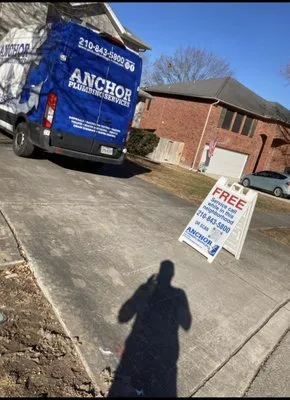
Anchor Plumbing Services
Anchor Plumbing Services is a family-owned and operated business proudly serving Helotes and the greater San Antonio area since 2016. Founded by Master Plumber Paul, who brings over 25 years of local ...
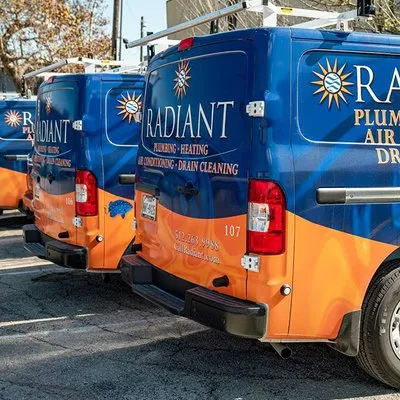
Radiant Plumbing & Air Conditioning - San Antonio
Radiant Plumbing & Air Conditioning has been serving San Antonio since 1999, built on a foundation of straightforward, honest service. We believe reliable plumbing and HVAC shouldn't be complicated or...

Alamo Water Softeners
Alamo Water Softeners has been a trusted name in water treatment for the Bulverde community since 2009. Founded by Allen and Trudy Townsend, who understood the importance of quality water for families...

Connally Plumbing
Connally Plumbing is a family-owned and operated business proudly serving New Braunfels and the surrounding communities since 2013. Founded and led by Master Plumber Justin C. Connally, we are committ...
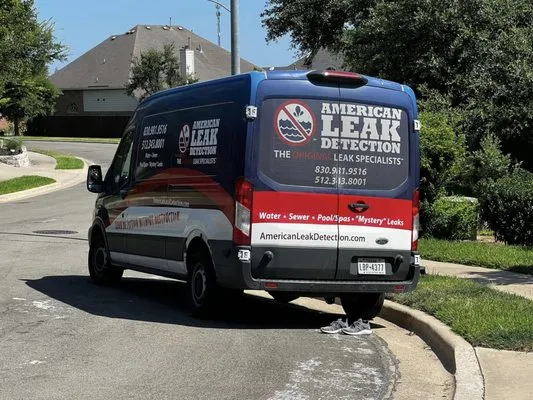
American Leak Detection in Boerne has been a trusted local presence since 1987, growing from a small team to a fleet of over 18 trucks serving 22 counties across Central Texas. Our team of 35 dedicate...
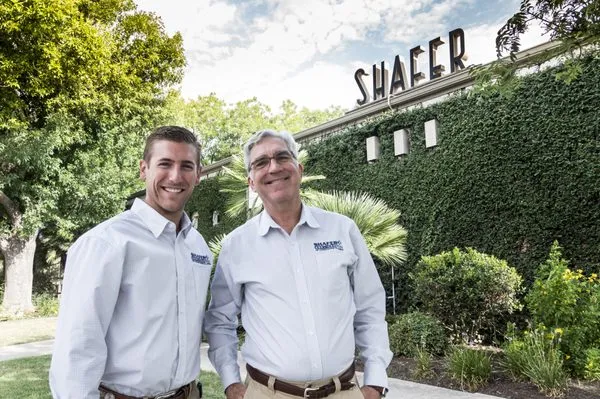
Shafer Services Plus
Shafer Services Plus has been a trusted name in San Antonio since 1988, with roots in the community stretching back to 1884. As a family-run business, we bring over a century of dedication to every jo...
Areti Plumbing is a trusted local plumbing service in San Antonio, TX, specializing in comprehensive residential plumbing solutions. We help homeowners address common local issues like low water press...

Come And Plumb It is a trusted plumbing service in San Marcos, TX, founded by Master Plumber Justin Biersdorfer in 2018. With over 15 years of experience, starting as an apprentice and now running his...

1st Call Plumbing & AC
1st Call Plumbing & AC is a family-owned and operated business serving San Antonio and surrounding communities. Founded by John and Anne Aramendia, who bring over 35 years of trusted local service to ...
Estimated Plumbing Costs in Woodcreek, TX
FAQs
Why are my pipes starting to fail in Woodcreek North?
Homes here, built around 1991, have copper pipes that are now 35 years old. At this age, the interior walls of the pipe have been worn thin by decades of water flow and mineral abrasion from our hard water. Homeowners are now seeing a predictable increase in pinhole leaks, especially at solder joints and elbows where stress and corrosion concentrate. This isn't a defect; it's the expected service life for copper in our specific water conditions.
Who handles permits for a plumbing remodel in Woodcreek?
The City of Woodcreek Building Department manages all permits and inspections. As a master plumber licensed by the Texas State Board of Plumbing Examiners, I handle that red tape for you. This includes pulling permits, ensuring all work meets current code—like requiring expansion tanks on water heaters and proper venting—and scheduling the mandatory inspections. You won't need to navigate city hall; my credential ensures the work is documented and legal for your future property records.
As a suburban community, what should I know about Woodcreek's water system?
While you're on a municipal water supply, the pressure can vary more than in a dense urban grid. You're also responsible for the water lateral from the meter to your house and the entire sewer lateral to the main line. Tree roots seeking moisture in our temperate climate are a constant threat to these buried sewer lines, especially the older clay or Orangeburg pipes sometimes found in original 1991 installations. Annual drain line camera inspections can catch root intrusion early.
Could my home's hilly lot be causing plumbing problems?
Absolutely. The sloping terrain common around Jacob's Well Natural Area affects drainage and pressure. A negative slope on your sewer lateral can lead to chronic drain clogs and backups, as waste doesn't carry away effectively. On the supply side, the main line coming uphill from the street meter can experience higher static pressure, putting extra stress on every joint and valve in your system. We often install pressure-regulating valves for homes on steep grades to mitigate this.
How does the Trinity Aquifer water affect my plumbing?
Water drawn from the Trinity Aquifer is rich in minerals, primarily calcium and magnesium, which classify it as very hard. This leads to rapid scale buildup inside pipes, water heaters, and on fixture aerators. In a water heater, scale insulates the heating element, forcing it to work harder and fail prematurely while also reducing your tank's effective capacity. You'll notice reduced flow at faucets and showerheads much faster here than in areas with softer water.
How long does it take for a plumber to get to Woodcreek?
My dispatch route typically involves heading past Jacob's Well Natural Area on RR 12 to reach the Woodcreek area. From the time you call, a 45 to 60 minute response is standard for us to be on-site with a fully stocked truck. This accounts for the rural roadways and ensures we arrive prepared to diagnose and repair most common emergencies without a second trip for parts.
What's the best way to prepare my plumbing for Texas summer and winter?
The key is managing the swing between summer heat and winter lows near 38°F. Before winter, disconnect and drain garden hoses to prevent ice pressure from backing into your interior supply lines. In peak summer, know that high water usage combined with high ground temperatures can stress older pipe joints. A pro-tip is to insulate the first few feet of your main water line where it exits the foundation, which protects against both winter chill and summer heat conduction.
What's the most common plumbing repair for a 1990s Woodcreek home?
Pinpoint leaks in copper supply lines, particularly behind walls and under slabs, are the most frequent call. After 35 years, the protective oxide layer inside the pipe can break down, allowing aggressive local water to create microscopic pits that eventually penetrate. We also see solder joints from that era failing due to thermal expansion and contraction cycles, which is why a leak at a faucet supply or toilet valve is often a joint failure, not the fixture itself.
