Top Emergency Plumbers in Seymour, TX, 76380 | Compare & Call

There are 240 plumbing companies server in Seymour TX

Cody Irrigation Landscape & Lighting
Cody Irrigation Landscape & Lighting is a Decatur-based, family-owned business with over 12 years of dedicated service to the local community. We specialize in comprehensive outdoor solutions, from ir...
Hawk Plumbing Heating & Air Conditioning
Hawk Plumbing Heating & Air Conditioning is a family-owned Fort Worth staple, established in 1987 and now operated by Jacob and Lauren. With Jacob's lifelong local roots and master licenses in both pl...

Boyd Plumbing Company is a trusted local plumbing service rooted in Glen Rose, Texas. Since starting in 2000, we've built our reputation through reliable work and word-of-mouth referrals from neighbor...
Shane's Plumbing Service
Established in 2010, Shane's Plumbing Service is a family-owned and operated company based right here in Burleson, TX. My father, a master plumber with over 30 years in the trade, instilled in me the ...
Mr. Rooter Plumbing of Denton brings over 50 years of trusted plumbing expertise to homes and businesses in Denton, TX. Founded on core values of quality work and honest pricing since 1970, this indep...

Service Squad Plumbing
Founded by second-generation contractor Hayden Slack, Service Squad Plumbing brings a family legacy of trust and expertise to Fort Worth. Since taking the helm in 2014, Hayden has grown the team to ov...
Hukill's
Hukill's has been a trusted family-owned business serving Benbrook and the surrounding area since 1979. We specialize in comprehensive plumbing services, damage restoration, and home remodeling, handl...

Tim Winnett Plumbing & Sons is a family-owned plumbing service with over 26 years of experience serving Fort Worth, Arlington, and surrounding areas. As a fully licensed and insured company, we provid...
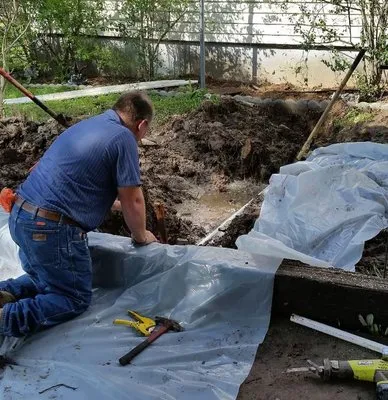
Creech Plumbing
Creech Plumbing is a trusted, family-owned plumbing company serving Weatherford, TX, and the surrounding communities since 1984. Founded by Mike Creech, the business was built on a foundation of hones...
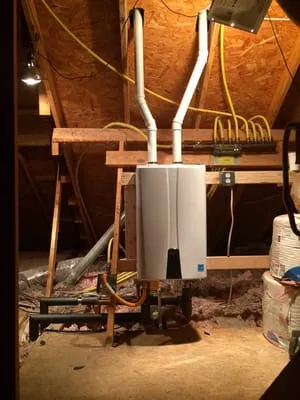
Bearcat Plumbing
I'm Todd Absher, owner of Bearcat Plumbing, and I've called Aledo home my entire life. Growing up here, I learned the value of hard work and community. At 19, I started with a local plumbing company a...
Estimated Plumbing Costs in Seymour, TX
FAQs
How fast can a plumber get to my house in Seymour?
From my shop, I head past Seymour City Park to get onto US-277, which is the main artery for reaching most homes here. That route typically puts me on your property within 45 to 60 minutes of your call for an emergency. Knowing these roads lets me plan the quickest approach, whether you're just off the highway or further out on a county road.
Why are my old pipes in Seymour suddenly failing?
Your home's original galvanized steel plumbing is now 60 years old, installed around 1966. At this age, the protective zinc coating inside the pipe has completely worn away, exposing the raw steel to constant water contact. Homeowners in Downtown Seymour are now seeing widespread rust-colored water, persistent low water pressure, and frequent pinhole leaks. This is the natural end of the material's service life, and partial repairs often just shift the problem to the next weak section.
What's wrong with the plumbing in my 1960s Seymour home?
The galvanized steel pipes common in 1966 are failing from the inside out. Decades of hard water have caused severe scale buildup, which drastically narrows the pipe's interior diameter—think of it as arteriosclerosis for your plumbing. This scale traps moisture against the steel, accelerating rust and leading to joint calcification and pinhole leaks, often first visible at threaded fittings and elbows.
What permits are needed for a plumbing job in Seymour, and who handles it?
Most substantial repairs or replacements require a permit from the City of Seymour Building Department, and the work must be performed by a licensed plumber, which I am through the Texas State Board of Plumbing Examiners. I handle pulling the permit, scheduling the required inspections, and ensuring the work meets all current code. This manages the red tape for you and guarantees the job is documented correctly for your home's records and any future sale.
Are there special plumbing concerns for living in rural Seymour?
Rural properties here often rely on private wells and septic systems, which municipal residents don't manage. Well pumps and pressure tanks require specific maintenance, and the hard water can foul them quickly. Your septic system's drain field performance is also directly tied to the soil's absorption capacity, which can be challenged by our clay-heavy ground. Understanding this full cycle from well to septic is key for rural plumbing care.
How do I protect my pipes from freezing in Seymour's cold snaps?
Our arid climate and the plain terrain mean cold 28-degree nights can cause a rapid freeze in exposed pipes, especially during the spring thaw when nights are still cold. A specific pro-tip for here is to not just drip faucets, but to open the cabinet doors under sinks on exterior walls to let home warmth reach the pipes. For homes with crawl spaces, sealing those vents before a cold front is more critical than in humid climates, as our dry air offers no insulating buffer.
Could the flat land around Seymour be causing my drainage problems?
The plain terrain around Seymour City Park has a very gentle slope, which can prevent proper gravitational drainage away from your home's foundation. During a heavy rain, water may pool and saturate the soil, putting constant hydrostatic pressure on your underground sewer main. Over years, this can cause the main line to settle or develop leaks at the joints, leading to recurring slow drains or backups in the lowest fixtures of your house.
Does Lake Kemp water damage my home's plumbing?
Water sourced from Lake Kemp is very hard, meaning it carries a high mineral content of calcium and magnesium. As this water heats up in your water heater, those minerals solidify and form a rock-like scale that coats the tank's heating elements and lines. This insulating scale forces your heater to work harder, increases energy bills, and drastically shortens the appliance's lifespan. You'll also see the same chalky buildup on faucet aerators and showerheads.
