Top Emergency Plumbers in Rogers, TX, 76569 | Compare & Call

There are 48 plumbing companies server in Rogers TX

Plumbing Outfitters
Plumbing Outfitters in Taylor, TX is a locally owned plumbing service founded by Warren, a master technician with over 14 years of hands-on experience. The company was established with a commitment to...
Decker Plumbing is a trusted, locally-owned plumbing service in Austin, TX, specializing in solving the common plumbing issues that homeowners face. We frequently address high water pressure, which ca...
Done Right Plumbing is a local, full-service plumbing company serving Temple, TX homeowners with reliable and expert solutions. We understand the common frustrations Temple residents face, like outdoo...

ASAP Septic and Plumbing has been a trusted, family-owned fixture in Lampasas since 1945. As a third-generation business, we've built our reputation on the reliability and expertise passed down throug...
GC Services is a locally-owned plumbing business serving Taylor, TX and surrounding areas since 2022. Founded by Taylor native Xavier Gonzales, this company specializes in residential plumbing service...
Bellco Plumbing is a trusted local plumbing service serving Killeen, TX, and the surrounding area. Our team specializes in a comprehensive range of residential plumbing solutions, from emergency repai...

Absolute Plumbing of Texas is a full-service plumbing company based in Lampasas, led by a Master Plumber with License M#42560 and over two decades of hands-on experience. We built this business on the...
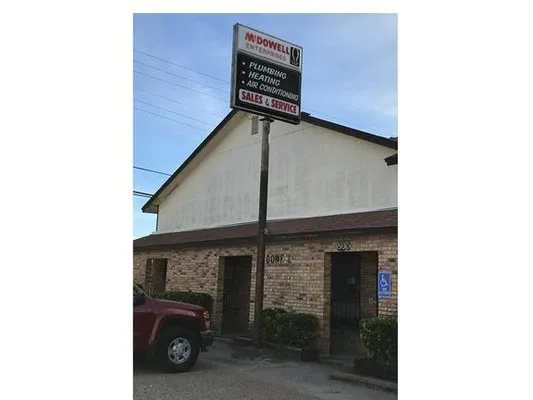
McDowell Enterprises
McDowell Enterprises has been a trusted local plumbing and HVAC company serving Harker Heights, TX, and surrounding areas since 1975. As a locally owned and operated business, we specialize in compreh...
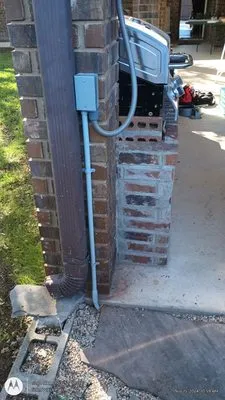
Veterans Handyman Services is a locally owned and operated business in Killeen, TX, founded by USAF veterans who bring military precision and reliability to every job. We specialize in plumbing and el...

Prominence Plumbing in Waco, TX is a veteran-owned plumbing service dedicated to providing reliable solutions for both residential and commercial clients throughout Central Texas. Founded on the princ...
Estimated Plumbing Costs in Rogers, TX
Q&A
As a rural homeowner near Rogers, what unique plumbing issues should I watch for?
Rural properties typically rely on private wells and septic systems. The hard water from your well will aggressively scale fixtures and appliances without a softener. For your septic system, avoid flushing chemicals and non-biodegradables, and have the tank pumped every 3-5 years. Also, the pressure tank and switch on your well system are common points of failure that can cause erratic water pressure or pump short-cycling.
Do I need a permit to replace the plumbing in my Rogers home?
Yes, most substantive plumbing work requires a permit from the City of Rogers Building Department. As a Master Plumber licensed by the Texas State Board of Plumbing Examiners, I pull all necessary permits for the job. This ensures the work is inspected and meets current code, which protects your home's value and safety. My license means I handle the red tape and code compliance so you don't have to navigate that process yourself.
Why is my water pressure so low in my older Rogers home?
Galvanized steel pipes installed in the 1970s, now 56 years old, are at the end of their functional life. In Downtown Rogers, we frequently see the interior of these pipes coated with rust and mineral scale, which can reduce the internal diameter to a pencil's width. This buildup creates a significant restriction, leading to the low pressure and reduced flow you're experiencing at fixtures. Complete pipe replacement is often the only permanent solution.
What causes those small, rusty leaks in my home's plumbing?
Those are classic pinhole leaks from galvanized steel pipe failure. After five decades, the protective zinc coating has worn away, leaving the underlying steel exposed to constant moisture. This leads to accelerated corrosion, particularly at threaded joints where the metal is thinnest. The leaks often start at a joint or a section of pipe weakened by scale buildup from our hard water.
Does water from Lake Belton damage my water heater?
Yes, it contributes to accelerated wear. Water sourced from Lake Belton is hard, meaning it has a high mineral content. Those minerals, primarily calcium and magnesium, precipitate out as scale when heated. This scale coats the heating elements and tank interior of your water heater, reducing its efficiency and lifespan. An annual flush and a properly sized water softener are critical maintenance steps here.
How long does it take for a plumber to get to my house in Rogers?
From our central location, a dispatch route typically involves heading past the Rogers Historical Museum to access State Highway 36. This main artery provides the fastest connection to most neighborhoods. For a standard service call, you can expect a technician at your door within 45 to 60 minutes of scheduling, barring any unexpected traffic or road closures on the local county roads.
What should I do to prepare my plumbing for spring in Rogers?
Before the spring thaw hits its peak, make a visual inspection of all exposed pipes in crawl spaces and your basement for any existing condensation or minor leaks. Our winter lows around 36°F aren't typically severe, but a rapid thaw can shift foundations and stress old pipe joints. A pro-tip is to ensure your hose bibs are fully drained and that the soil grading around your foundation directs water away from the main sewer line.
My yard near the museum area drains poorly after a rain. Could this affect my pipes?
The generally plain terrain around Rogers can lead to subtle, low-lying areas that hold water. Persistent pooling near your foundation, especially around the main sewer line's exit point, saturates the soil. Over time, this constant hydrostatic pressure can stress pipe joints and, in older clay tile systems common with 1970s builds, allow root intrusion or cause the line to settle and bellies to form, creating blockages.
