Top Emergency Plumbers in New Territory, TX, 77479 | Compare & Call

There are 236 plumbing companies server in New Territory TX

At H-Town Plumber, we are your local, licensed, and insured plumbing partner serving Houston homeowners and businesses. We start with a personal touch—your call is answered by a live scheduler who und...

At J&P Plumbing in Houston, TX, we focus on solving plumbing problems efficiently and effectively. Our approach begins with thorough research and careful diagnosis to identify the root cause of each i...

City and Beyond Handyman Services and More is a trusted, locally-owned Houston business founded by Geovanny. With extensive experience in plumbing, electrical, and general home repair, Geovanny built ...

New Gen Plumbing
New Gen Plumbing is a Houston-based plumbing service provider dedicated to addressing the specific plumbing challenges faced by local homeowners. With a comprehensive range of services including batht...

Acosta Plumbing Solutions
Acosta Plumbing Solutions has been serving Katy, TX, and the greater Houston area for over 20 years, providing reliable plumbing services for both residential and commercial properties. Our expertise ...
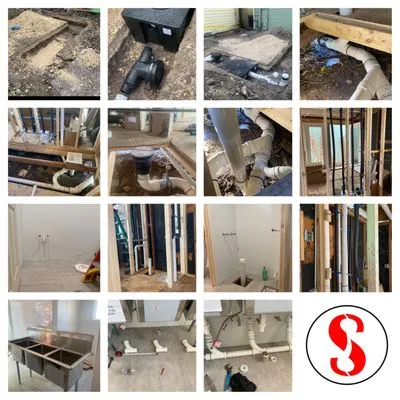
Douglas, the owner of Shaw Plumbing, has over 25 years of experience in the Houston plumbing industry, starting as an apprentice and building a business known for reliability and expertise. He leads a...

We Do Repipes in Houston, TX is a locally owned and operated plumbing company specializing in comprehensive repiping services for homes in the Houston area. Our expertise includes PEX repipes, galvani...
S & B Plumbing
S & B Plumbing is a family-owned plumbing company serving Sugar Land, TX, and the greater Houston area since 1976. Founded by Walter Edmunds in Bellaire, the business is now a second-generation operat...
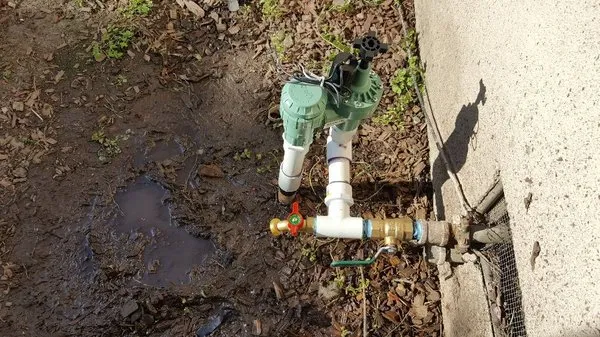
Drain Control is a family-owned plumbing service proudly serving Richmond, TX, since 2018. With over 15 years of experience in the trade, our founder started this business with a simple goal: to help ...

All Around Plumbing
All Around Plumbing, owned by local Houstonian Lindell Francis, is built on the values of honesty and integrity. We are committed to providing reliable, quality service and ensuring 100% customer sati...
Estimated Plumbing Costs in New Territory, TX
FAQs
Does hard water from the Brazos River actually damage my water heater and fixtures?
Hard water causes scale buildup that reduces efficiency and lifespan of water heaters by insulating heating elements and restricting water flow. In fixtures, mineral deposits accumulate around aerators and valve seats, leading to reduced pressure and eventual failure. This scaling process accelerates during summer months when water usage increases and temperatures rise. Installing a whole-house water softener or using descaling treatments can mitigate these effects significantly.
My New Territory home was built around 1998 - should I be worried about my plumbing now?
Copper pipes installed in 1998 are now 28 years old, which puts them in the typical failure window for this material. Homeowners in New Territory are seeing pinhole leaks develop, especially at joints and bends where water turbulence has worn thin spots. This isn't sudden catastrophic failure but gradual deterioration that manifests as small, persistent drips behind walls or under slabs. Regular inspections of visible plumbing and monitoring water bills for unexplained increases can catch issues before they become emergencies.
As a suburban homeowner, what plumbing issues should I watch for that are different from city or rural properties?
Suburban homes in New Territory typically have municipal water pressure that's higher than rural systems but more consistent than dense urban grids. This pressure, combined with mature tree roots seeking the water in lateral lines, creates a specific failure pattern. Roots infiltrate pipe joints during dry periods, then expand with water intake, causing blockages and cracks. Regular camera inspections of laterals and proper barrier installation around tree lines prevent most suburban-specific plumbing emergencies.
Could the flat land around Sugar Land Memorial Park be causing my drainage problems?
Low-lying terrain in this area creates drainage challenges that affect both sewer lines and foundation plumbing. Water tends to pool rather than flow away, putting constant hydrostatic pressure on main lines and potentially causing soil saturation around foundations. This environment can lead to shifted pipes, compromised seals, and increased root intrusion from moisture-seeking vegetation. Proper grading away from the house and regular drain line inspections help manage these terrain-specific issues.
Do I need a permit to replace my water heater or make other plumbing repairs in Sugar Land?
The City of Sugar Land requires permits for water heater replacements, re-pipes, and most significant plumbing modifications. As a master plumber licensed by the Texas State Board of Plumbing Examiners, I handle the permit paperwork, inspections, and code compliance so homeowners don't navigate bureaucratic red tape. This ensures work meets current standards and protects your investment. For minor repairs like faucet replacements or drain cleaning, permits usually aren't necessary.
How quickly can a plumber reach my home in New Territory during an emergency?
Heading past Sugar Land Memorial Park on US-90A puts me on the main artery into New Territory. From there, neighborhood access is straightforward with minimal traffic bottlenecks. Most calls from this area see a 20-30 minute response window, even during typical commute hours. Knowing these routes means less time navigating and more time diagnosing your issue upon arrival.
What should I do differently with my plumbing during Texas summer heat versus winter?
Summer heat peaks stress plumbing systems through expansion and increased water usage, while winter lows around 42°F rarely cause freeze concerns here. A practical tip: before summer, check irrigation systems for leaks and ensure water heater pressure relief valves function properly. During temperature swings, listen for pipes expanding and contracting in walls - this normal sound can indicate if brackets need adjustment. Our temperate climate means most issues come from use patterns rather than extreme weather.
Why do my copper pipes keep developing small leaks even though they're not that old?
Copper plumbing from the late 1990s often suffers from joint calcification and pinhole leaks due to the water chemistry interacting with the pipe material over decades. The Brazos River water supply contains minerals that gradually accumulate at connection points, creating stress points that eventually fail. These aren't installation defects but predictable wear patterns that emerge after 25-30 years of service. Addressing them requires proper diagnosis of whether it's isolated or systemic deterioration.
