Top Emergency Plumbers in Marlin, TX, 76661 | Compare & Call

There are 27 plumbing companies server in Marlin TX
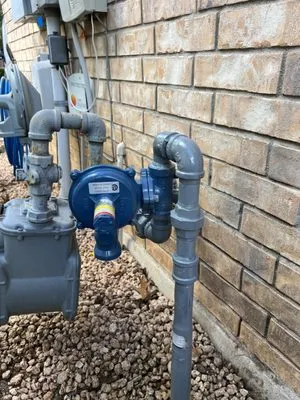
Done Right Plumbing is a local, full-service plumbing company serving Temple, TX homeowners with reliable and expert solutions. We understand the common frustrations Temple residents face, like outdoo...
Rick's Plumbing Services is a family-owned and operated plumbing provider serving Cleburne, TX, and surrounding communities since 1999. As your local, same-day plumber, we bring over two decades of tr...

Prominence Plumbing in Waco, TX is a veteran-owned plumbing service dedicated to providing reliable solutions for both residential and commercial clients throughout Central Texas. Founded on the princ...

Benjamin Franklin Plumbing
Benjamin Franklin Plumbing in Waco, TX, provides reliable plumbing services backed by strong guarantees for local homeowners. We focus on fixing problems right the first time, from common toilet seal ...
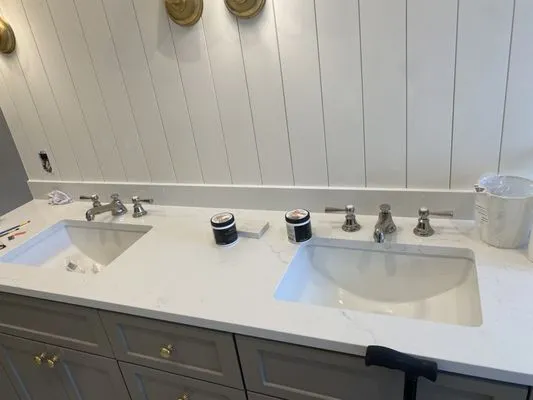
Zen Plumbing provides expert plumbing services for Temple, TX homeowners. We specialize in addressing common local challenges like soil movement-induced slab leaks and persistent toilet seal leaks. Ou...
Sykes Plumbing and Drain Cleaning is a family-owned plumbing company serving Waco, TX, since 2020. We provide reliable plumbing solutions for both residential and commercial customers, from routine ma...
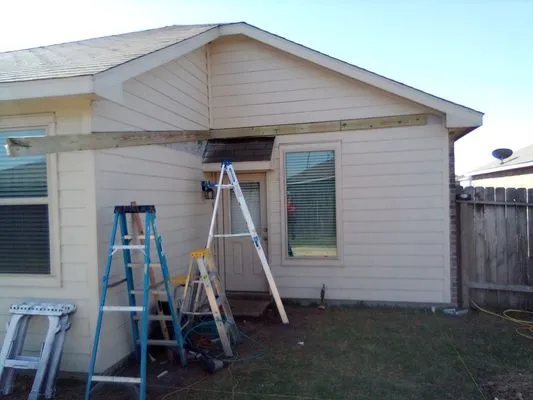
Hec The Handyman is your reliable local handyman service in Temple, TX, founded by Hector, a skilled professional with years of experience in construction, carpentry, and waterproofing. We provide a w...
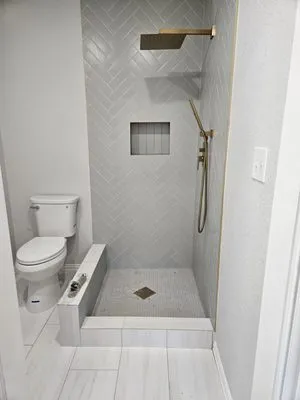
Founded in 2001, Lujans Remodeling has been a trusted partner for homeowners in Temple and throughout Central Texas, dedicated to transforming living spaces with precision and care. With over 30 years...

Fluid Meter Service is your trusted plumbing specialist serving Austin, Texas. We understand the unique challenges local homeowners face, particularly with pipe joint leaks and broken shutoff valves c...

Phelps Plumbing is your trusted local plumbing expert serving Temple, TX homeowners. We specialize in addressing the specific plumbing challenges common in our area, including hard water scaling that ...
Estimated Plumbing Costs in Marlin, TX
FAQs
What's the most important thing to do before winter in Marlin?
While our lows typically only hit 36°F, the spring thaw can be the real culprit. Water expands when it freezes, and even a single overnight freeze can split a pipe. The pro-tip for our temperate climate is to disconnect, drain, and store all outdoor hoses before the first forecasted freeze. Insulate any exposed pipes in unheated crawl spaces or garages, as these are the most vulnerable points during a brief cold snap.
My yard is always soggy near the house. Could it be the plumbing?
The relatively flat, plain terrain around Marlin and Falls County means drainage is slow. If your home's main sewer line has settled or developed a belly due to soil shift, wastewater and solids can pool in that low section instead of flowing freely to the city main. This constant stress and standing water dramatically increases the chance of a blockage or a complete line failure, often manifesting as chronically damp soil or sewage odors in the yard.
What's causing these small, persistent leaks in my walls?
For galvanized steel installed in 1972, pinhole leaks are the most common failure. Decades of hard water scaling and internal corrosion thin the pipe wall from the inside. A weak spot finally gives way, creating a tiny leak that often starts behind a wall. This corrosion is accelerated at the threaded joints, where dissimilar metals can cause galvanic corrosion, leading to leaks right at the pipe connections.
How fast can a plumber get to my house in Marlin during an emergency?
A typical dispatch route for a service call starts near the Falls County Courthouse, heading out onto State Highway 6. From there, it's a straight shot to most neighborhoods. Barring heavy farm equipment or train traffic, that puts an average response time for a true emergency, like a burst pipe, between 45 to 60 minutes from the initial call.
Do I need a permit to replace my own water heater?
Yes, the City of Marlin Building Department requires a permit for water heater replacement to ensure the new installation meets current building and safety codes. As a master plumber licensed by the Texas State Board of Plumbing Examiners, I pull the permit, schedule the required inspections, and guarantee the work passes code. This handles the red tape for you and ensures the job is documented correctly for both insurance and future home sales.
As a rural homeowner, what plumbing systems need the most attention?
Rural properties here often rely on private wells and septic systems. For the well, the pressure tank and its bladder are critical; a failed one causes short cycling and can burn out the pump. For the septic system, the drain field is the most vulnerable component. Overloading it with excess water or chemicals kills the bacteria needed for processing waste, leading to backups and a very costly repair.
My water pressure is dropping and I'm getting rust flecks. Is this just my old house?
Houses in Downtown Marlin built around 1972 have galvanized steel pipes that are now 54 years old. At this age, the zinc coating inside the pipe has worn away, exposing the raw steel to constant water contact. The result is severe internal rust and mineral scale buildup, which acts like plaque in an artery. You see this as a steady drop in water volume and reddish-brown sediment clogging faucet aerators and showerheads.
Why does my water heater fail so often in Marlin?
Water from the Brazos River is hard, meaning it has a high mineral content. Those minerals, primarily calcium and magnesium, precipitate out as scale when water is heated. Over years, this rock-like scale builds up on the bottom of your water heater tank and on the heating elements. This insulating layer forces the heater to work harder, drastically reducing its efficiency and lifespan while increasing your energy bills.
