Top Emergency Plumbers in Leon Valley, TX, 78238 | Compare & Call

There are 239 plumbing companies server in Leon Valley TX

PlumbSmart
PlumbSmart is a locally-owned plumbing company in New Braunfels, TX, founded by Adam Shannon, who brings over 15 years of industry experience. Adam started the company after learning from various plum...
Anchor Plumbing Services
Anchor Plumbing Services is a family-owned and operated business proudly serving Helotes and the greater San Antonio area since 2016. Founded by Master Plumber Paul, who brings over 25 years of local ...
Purpose Plumbing is a San Antonio-based plumbing contractor founded by Daniel, who brings years of experience from national plumbing companies to his local business. Operating with integrity and atten...

George Plumbing is a San Antonio institution with roots stretching back to 1920. Founded by master plumber George F. Saliba, the company has been a trusted name under its current incorporation since 1...
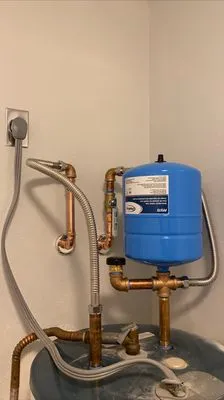
Andre's Pro Plumbing, LLC has been San Antonio's trusted plumbing partner since 1989. As a full-service professional plumbing company, we handle everything from minor leaks to major plumbing issues in...

Simple Service Plumbing, Heating & Air
Simple Service Plumbing, Heating & Air is a locally owned and licensed provider in San Antonio, dedicated to keeping your home's essential systems running smoothly. We understand that reliable plumbin...
Radiant Plumbing & Air Conditioning - San Antonio
Radiant Plumbing & Air Conditioning has been serving San Antonio since 1999, built on a foundation of straightforward, honest service. We believe reliable plumbing and HVAC shouldn't be complicated or...

People's Choice Plumbing
People's Choice Plumbing is a locally owned and operated LLC serving the San Antonio community. Founded by Dave, a master plumber with over 30 years of experience in the area, we bring deep-rooted kno...

Goettl Air Conditioning and Plumbing - San Antonio
Goettl Air Conditioning & Plumbing - San Antonio provides reliable, expert service for the city's heating, cooling, and plumbing needs. With roots dating back to 1939, our local team of Sadie-Certifie...
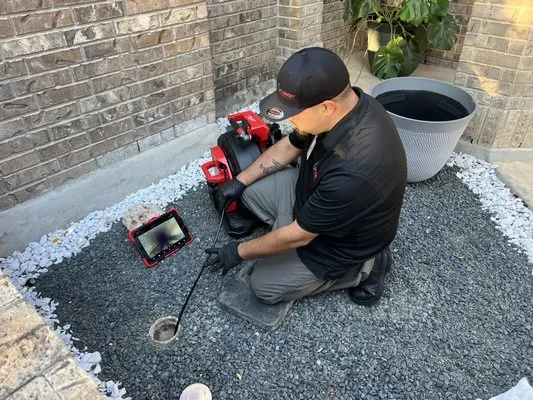
Plumbit Plumbing Services is a family-owned business proudly serving San Antonio, TX, with a comprehensive range of plumbing solutions. Founded on principles of honesty, compassion, and professionalis...
Estimated Plumbing Costs in Leon Valley, TX
Question Answers
What should I do to prepare my plumbing for Leon Valley's temperature swings?
Our winter lows around 39°F followed by summer heat peaks create expansion and contraction stress on pipes. Insulate exposed pipes in unheated spaces like garages and crawl spaces before winter. During summer, check that your water heater's temperature-pressure relief valve operates properly, as hard water scale can cause it to stick. Drain a few gallons from your water heater tank annually to remove sediment that accumulates faster in our climate.
Does Edwards Aquifer water damage my home's plumbing fixtures?
Water from the Edwards Aquifer contains high mineral content that creates scale buildup throughout your plumbing system. In water heaters, this scale forms an insulating layer on heating elements, forcing them to work harder and fail prematurely. Fixtures like showerheads and faucet aerators clog with mineral deposits, reducing water pressure. Installing a whole-house water softener significantly extends the life of your plumbing components.
As a suburban homeowner, what plumbing issues should I watch for that are unique to our area?
Suburban homes in Leon Valley typically connect to municipal water systems that maintain consistent pressure, which helps but doesn't eliminate all issues. Tree roots seeking moisture frequently invade sewer laterals, especially older clay or cast iron lines. Water pressure regulators installed during original construction often fail after 20-30 years, causing pressure spikes that stress aging copper pipes. Regular camera inspections of your sewer line catch root intrusion before it causes backups.
Could the hilly terrain around Leon Valley be causing my drainage problems?
The sloping landscape around Leon Valley Community Center affects drainage in several ways. Downhill properties often experience increased pressure on main sewer lines, leading to joint separation over time. Uphill homes may have slow drainage due to inadequate slope in their lateral lines. Soil erosion on hillsides can expose and stress water service lines, making them vulnerable to damage. Proper grading around your foundation prevents water from pooling and stressing underground pipes.
What permits or approvals do I need for plumbing work in Leon Valley?
Leon Valley Development Services Department requires permits for most plumbing repairs beyond basic fixture replacements. As a master plumber licensed by the Texas State Board of Plumbing Examiners, I handle all permit applications and inspections required for your project. This includes pressure tests for repipes, backflow prevention device installations, and water heater replacements. I coordinate directly with city inspectors so you don't need to manage the red tape yourself.
How quickly can a plumber reach my house in Leon Valley during an emergency?
Heading past Leon Valley Community Center on Loop 410 gets me into most neighborhoods within 20-30 minutes. That route avoids local traffic snarls and provides direct access to Shadow Valley. I keep my truck stocked with common repair parts for copper systems, so I can often diagnose and start repairs immediately upon arrival without needing extra trips to suppliers.
My Shadow Valley home was built in the late 1970s—should I be worried about my plumbing?
Copper pipes installed around 1978 are now about 48 years old. At this age, homeowners in Shadow Valley often notice pinhole leaks appearing in hot water lines first, especially near joints where solder has weakened. The copper itself becomes thinner from decades of water flow, and mineral deposits from our hard water accelerate wear. These small leaks typically start in less visible areas like crawl spaces or behind walls before becoming noticeable.
Why do my copper pipes keep springing leaks even though they're not that old?
Copper pipes from the late 1970s often develop pinhole leaks due to a combination of factors. The solder joints from that era used lead-based materials that have now degraded, creating weak points. Additionally, decades of hard water flowing through the pipes causes internal corrosion called type 1 pitting. This creates tiny holes that expand over time, especially in areas with turbulent water flow like elbows and tees.
