Top Emergency Plumbers in Leming, TX, 78050 | Compare & Call

There are 124 plumbing companies server in Leming TX
Purpose Plumbing is a San Antonio-based plumbing contractor founded by Daniel, who brings years of experience from national plumbing companies to his local business. Operating with integrity and atten...
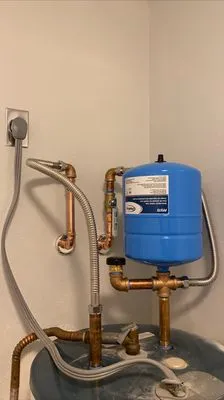
Andre's Pro Plumbing, LLC has been San Antonio's trusted plumbing partner since 1989. As a full-service professional plumbing company, we handle everything from minor leaks to major plumbing issues in...

Simple Service Plumbing, Heating & Air
Simple Service Plumbing, Heating & Air is a locally owned and licensed provider in San Antonio, dedicated to keeping your home's essential systems running smoothly. We understand that reliable plumbin...
Radiant Plumbing & Air Conditioning - San Antonio
Radiant Plumbing & Air Conditioning has been serving San Antonio since 1999, built on a foundation of straightforward, honest service. We believe reliable plumbing and HVAC shouldn't be complicated or...

Goettl Air Conditioning and Plumbing - San Antonio
Goettl Air Conditioning & Plumbing - San Antonio provides reliable, expert service for the city's heating, cooling, and plumbing needs. With roots dating back to 1939, our local team of Sadie-Certifie...

Foundation Plumbing Services is a family-owned plumbing company serving San Antonio, TX, with comprehensive residential and commercial solutions. We specialize in installations, repairs, and maintenan...

Alamo Water Softeners
Alamo Water Softeners has been a trusted name in water treatment for the Bulverde community since 2009. Founded by Allen and Trudy Townsend, who understood the importance of quality water for families...
Roto-Rooter Plumbing & Water Cleanup
Roto-Rooter Plumbing & Water Cleanup is a trusted local provider in San Antonio, TX, offering 24/7 emergency plumbing and water damage restoration. Their team of dependable, friendly professionals han...
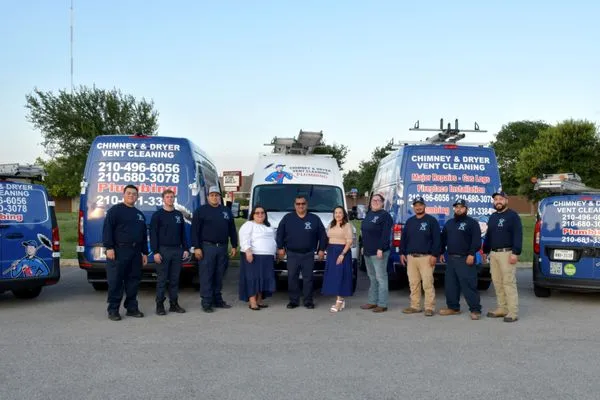
AAA Home Services Chimney & Plumbing
AAA Home Services Chimney & Plumbing is a family-owned business serving San Antonio and surrounding areas since 1999. With over 31 years of combined experience, our licensed professionals specialize i...

The Plumbing Bros is a veteran-owned and operated plumbing service proudly based in Boerne, Texas. With over two decades of hands-on experience, we bring a wealth of knowledge and a commitment to inte...
Estimated Plumbing Costs in Leming, TX
FAQs
Why do my old pipes keep springing leaks even after repairs?
Galvanized steel pipes from the 1970s suffer from joint calcification and internal corrosion that weakens the entire system. Each repair addresses a single failure point, but the surrounding pipe remains compromised. The zinc coating has worn away over decades, leaving bare steel exposed to water and minerals. Complete repiping with modern materials like PEX or copper eliminates this systemic vulnerability.
What permits or inspections are needed for plumbing work in Atascosa County?
Atascosa County Development Services requires permits for most plumbing installations and replacements. As a master plumber licensed by the Texas State Board of Plumbing Examiners, I handle all permit applications, inspections, and compliance documentation. This ensures your project meets current codes and passes final inspection without issues. You avoid the red tape while knowing the work is properly documented and legally compliant.
How quickly can a plumber reach my home near the Atascosa River?
Heading past Atascosa River on US-281, our dispatch route covers most of Leming efficiently. We maintain a 45-60 minute response window for emergency calls, accounting for rural road conditions and distance from our service hub. This timing allows us to bring the right tools and parts on the first trip. For non-urgent appointments, we schedule specific arrival windows to minimize your wait.
My house in Downtown Leming was built around 1975 - should I be worried about my plumbing?
Galvanized steel pipes installed in 1975 are now 51 years old, which is well beyond their typical 40-50 year lifespan. Homeowners in Downtown Leming are seeing frequent pinhole leaks, reduced water pressure from internal corrosion buildup, and rust-colored water. The steel has likely thinned significantly, making entire sections vulnerable to sudden failure. Replacing these pipes before they fail completely prevents extensive water damage and costly emergency repairs.
Could the flat land around the Atascosa River affect my home's drainage?
Plain terrain with minimal slope can cause poor drainage around foundations and septic systems. Water pools instead of flowing away, putting constant hydrostatic pressure on your main sewer line. This stress leads to joint separation, root intrusion, and eventual line collapse. Proper grading and French drain installation redirect water away from your foundation, protecting both your plumbing and your home's structural integrity.
Does hard water from my private well damage my plumbing fixtures?
Hard water causes scale buildup that reduces efficiency and lifespan of water heaters, faucets, and appliances. Mineral deposits insulate heating elements, forcing your water heater to work harder and use more energy. Fixtures develop reduced flow and premature wear from abrasive scale particles. Installing a whole-house water softener protects your investment and maintains consistent water quality throughout your home.
What's the best way to prevent frozen pipes during our winter cold snaps?
When temperatures approach the 39°F winter lows, insulate exposed pipes in crawl spaces and attics. Let faucets drip slightly during freezing nights to maintain water movement. Drain and disconnect outdoor hoses before the first freeze. For extended absences, consider shutting off your main valve and draining the system. These proactive measures cost little but prevent expensive burst pipe repairs.
Are there special plumbing considerations for rural homes with wells and septic systems?
Private wells and septic systems require regular maintenance that municipal connections don't. Well pumps and pressure tanks need periodic inspection to ensure consistent water delivery. Septic systems require pumping every 3-5 years to prevent backups into your home. Water quality testing identifies mineral issues before they damage appliances. These systems operate independently, so proactive care prevents most emergencies.
