Top Emergency Plumbers in La Grange, TX, 78945 | Compare & Call

There are 20 plumbing companies server in La Grange TX
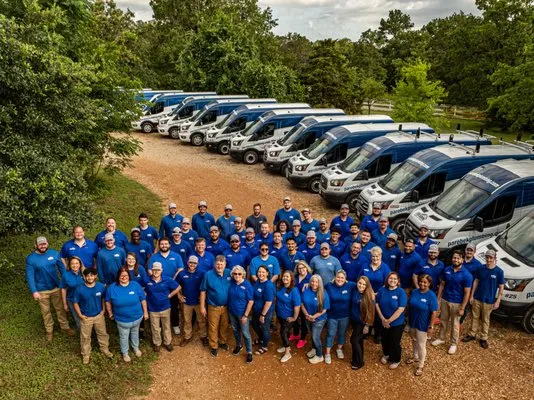
Parobek Plumbing & Air Conditioning
Founded in 1999, Parobek Plumbing & Air Conditioning is a Bastrop-based family business built on three decades of plumbing expertise. Owned and operated by master plumber Charlie Parobek and his sons,...
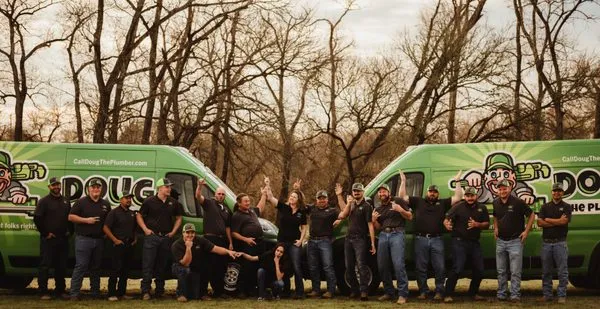
Doug The Plumber
Doug The Plumber is a trusted, locally-owned plumbing service in Bastrop, Texas, operated by Master Plumber Doug BerryAnn. With over two decades of industry experience and a Texas Master Plumber licen...
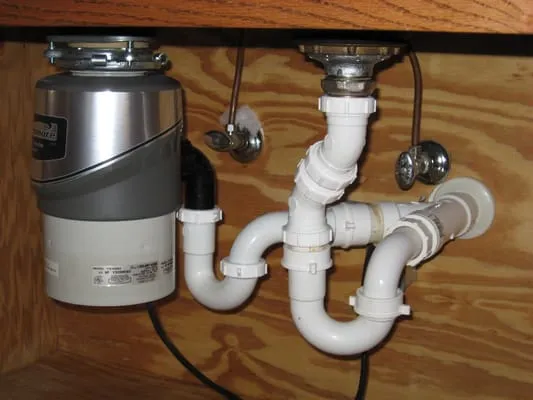
Decker Plumbing is a trusted, locally-owned plumbing service in Austin, TX, specializing in solving the common plumbing issues that homeowners face. We frequently address high water pressure, which ca...
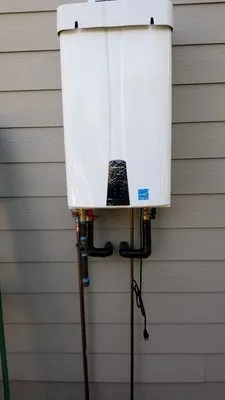
Patterson Plumbing has been a trusted fixture in Smithville since 2005, founded by a local plumber who started in the trade right out of high school. Driven by a commitment to protecting public health...
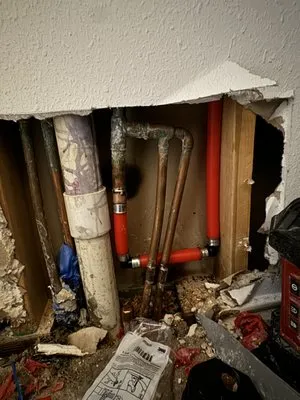
GC Services is a locally-owned plumbing business serving Taylor, TX and surrounding areas since 2022. Founded by Taylor native Xavier Gonzales, this company specializes in residential plumbing service...
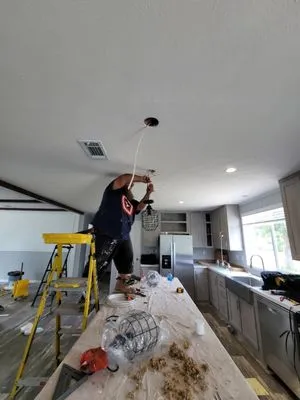
J&D Construction brings over 17 years of hands-on experience to Hutto, TX, specializing in both manufactured home services and general construction. Founded by a professional who started in masonry an...

Fluid Meter Service is your trusted plumbing specialist serving Austin, Texas. We understand the unique challenges local homeowners face, particularly with pipe joint leaks and broken shutoff valves c...
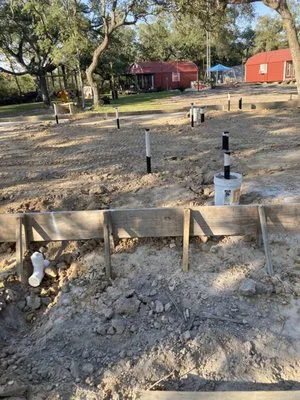
AquaMax Water Solutions is your trusted local plumbing and water treatment specialist in El Campo, TX. We provide reliable solutions for drain repair, garbage disposal installation, plumbing inspectio...
Lloyd, the owner of L & R Plumbing in Austin, is an honest and highly motivated professional dedicated to customer satisfaction and quality workmanship. He founded L & R Plumbing Inc. to provide genui...
Plumb Level is a family-owned plumbing company serving Brenham, Texas, and surrounding communities since 1997. Founded by local resident Walt Edmunds, we've grown from Brenham Plumbing to become a tru...
Estimated Plumbing Costs in La Grange, TX
FAQs
What's one plumbing tip for La Grange's weather swings?
Our temperate climate with summer heat peaks and winter lows near 40°F means pipes in uninsulated crawl spaces or attics experience thermal stress. A pro-tip is to insulate those exposed lines. This simple step prevents the condensation that leads to mold in summer and protects against a freeze rupture during our occasional cold snaps, which are often the most common cause of winter emergencies here.
Do I need a permit from the city to replace my water heater?
Most plumbing work, including water heater replacement, requires a permit from the La Grange Building Department. As a Master Plumber licensed by the Texas State Board of Plumbing Examiners, I handle pulling that permit, scheduling the required inspections, and ensuring the installation meets all current code. My credentials mean I manage that red tape for you, so the job is documented correctly for your home's records and future sales.
Does hard water from the Colorado River damage my water heater?
Yes, the mineral content that creates hard water leads to scale buildup. Inside a water heater, this lime scale acts as an insulator on the heating elements or burner tube, forcing the unit to work harder and less efficiently. Over years, this accumulation can also trap sediment at the tank's bottom, creating hot spots that corrode the steel liner. Flushing the tank annually and considering a whole-house water softener are the best defenses against this inevitable process.
How quickly can a plumber get to my home in La Grange if I have a leak?
From my shop, a typical dispatch heads past Kreische Brewery State Historic Site onto US-77. That route gets me across town efficiently. My standard service area covers a 30-45 minute response window for urgent calls, depending on your specific location off the main arteries. I plan routes to bypass typical slowdowns, so you get a clear ETA when you call.
Why are my copper pipes from the 1970s suddenly springing pinhole leaks?
Copper installed in 1972 has endured over five decades of water chemistry and pressure cycles. A common failure mode at this age is pinhole leaks caused by a process called pitting corrosion, often accelerated by our local water's mineral content. You might also find soldered joints have become brittle or that scale buildup inside the pipe has significantly reduced the inner diameter, affecting flow. These are age-related wear patterns, not a flaw in the original material.
I'm on a well and septic system outside town. What should I watch for?
Rural plumbing brings unique concerns. For your well, the pump, pressure tank, and water quality are your system's heart. Watch for pressure drops or sediment, which can signal pump or screen issues. For septic, the drain field's health is critical; avoid overloading it and have it pumped regularly. Hilly terrain can complicate septic placement and function, so it's wise to have a pro assess the entire system periodically, not just when there's a backup.
Could the hilly land around here be causing my drainage problems?
Absolutely. The slope of the land, similar to the terrain around Kreische Brewery State Historic Site, directly impacts drainage. On a hill, the main sewer line from your house to the street can be subject to extra stress and potential settlement. For storm drainage, improper grading can send water toward your foundation instead of away from it. Correcting this often involves adjusting the landscape or installing specialized drainage solutions to manage the flow.
Our house in La Grange's Historic District was built in the early '70s. Should I be worried about my plumbing?
Homes built around 1972 now have copper pipes that are 54 years old. That's well into the service life where specific failures begin. In the Historic District, you're likely seeing the first wave of pinhole leaks from internal corrosion or noticing a drop in water pressure from mineral buildup. This isn't catastrophic failure yet, but it's the age where proactive inspection and selective replacement of vulnerable sections, like behind walls or under slabs, becomes a sound investment to avoid larger emergencies.
