Top Emergency Plumbers in Gladewater, TX, 75647 | Compare & Call

There are 105 plumbing companies server in Gladewater TX
TurnKey Painting & Remodeling, LLC
TurnKey Painting & Remodeling, LLC is your trusted local partner for home improvement in Shreveport. We specialize in a comprehensive range of services from interior and exterior painting to full-scal...
AB Maintenance is a trusted home service provider based in Shreveport, LA, with over 15 years of experience serving the local community. Our team specializes in a wide range of services including appl...

Service Experts Heating & Air Conditioning
Service Experts Heating & Air Conditioning is a trusted, full-service provider for Shreveport homes and businesses. We specialize in comprehensive plumbing, heating, and air conditioning solutions, fr...
RPM Plumbing is a trusted, locally-owned plumbing service based right here in Yantis, Texas. As a fully licensed and insured team, we specialize in providing reliable solutions for both everyday plumb...
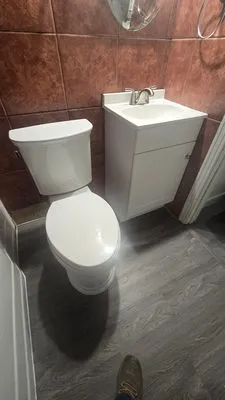
Reyna Plumbing is a family-owned and operated plumbing service based in Grand Saline, TX, with over 20 years of experience in the industry. We specialize in a comprehensive range of plumbing services,...

Benjamin Franklin Plumbing Tyler
Benjamin Franklin Plumbing Tyler is a locally owned and operated plumbing service dedicated to the residents of Tyler, TX. As 'The Punctual Plumber,' we've built our reputation on reliability, arrivin...
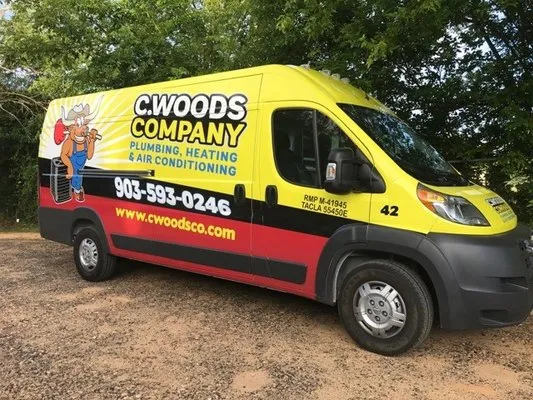
C Woods Company
C. Woods Company has been a trusted name in Tyler and East Texas since 1956, offering comprehensive plumbing, HVAC, and electrical services. Now operating under Ace Hardware, we combine our decades of...

Faithco Enterprises
Faithco Enterprises has been serving Lindale and East Texas since 2007 as a licensed, bonded, and insured provider of plumbing, HVAC, electrical, and septic services. Our team of state-licensed techni...
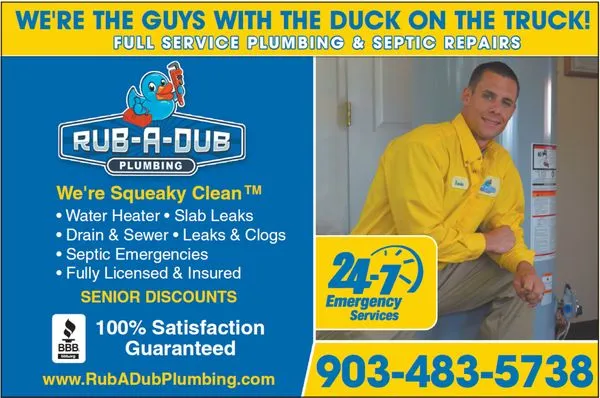
Rub A Dub Plumbing
Brent McDonald founded Rub A Dub Plumbing over 14 years ago with a borrowed truck and a family legacy of plumbing expertise. Today, as a Master Plumber, he leads a thriving Tyler-based business dedica...

ETX Handyman & Repair is a family-owned business with deep roots in home service. Owner, who has been in this line of work all his life, grew up working alongside his father, developing a passion for ...
Estimated Plumbing Costs in Gladewater, TX
Common Questions
Who handles permits and inspections for plumbing work in Gladewater?
The City of Gladewater Building Department issues permits for plumbing modifications, and I'm licensed through the Texas State Board of Plumbing Examiners. I handle the red tape so you don't have to, ensuring all work meets current codes. Proper permitting protects your home's value and ensures installations are inspected for safety compliance.
How quickly can a plumber reach my home near Downtown Gladewater?
Heading past Gladewater Museum on US-271, our dispatch route covers most of Gladewater within 45-60 minutes. We monitor traffic patterns and prioritize calls based on urgency. For emergencies like burst pipes, we coordinate with local contacts to ensure the fastest possible response time.
Does Lake Gladewater water damage my home's plumbing fixtures?
Water from Lake Gladewater has high mineral content that causes scale buildup. This hard water leaves deposits inside water heaters, reducing efficiency and shortening their lifespan. Fixtures like showerheads and faucet aerators clog with mineral accumulation, requiring more frequent cleaning or replacement. Installing a water softener can significantly reduce these issues.
Are there special plumbing considerations for homes in rural Gladewater areas?
Rural properties often have private wells and septic systems that require different maintenance than municipal connections. Well pumps need regular inspection for pressure issues, while septic tanks require pumping every 3-5 years depending on usage. Water quality testing is more important with private wells to identify mineral content affecting pipes and appliances.
Why are so many Gladewater homes built in the 1970s having plumbing problems now?
Galvanized steel pipes installed around 1974 are now 52 years old in 2026. Homeowners in Downtown Gladewater are seeing rust-colored water, reduced flow from faucets, and frequent leaks at threaded joints. The zinc coating inside these pipes has worn away over decades, exposing the steel to corrosion. This timeline matches the typical lifespan of galvanized plumbing in our area's water conditions.
What should I do to prepare my Gladewater home plumbing for spring?
Before spring thaw when temperatures can drop to 34°F, disconnect and drain outdoor hoses. Insulate exposed pipes in crawl spaces and attics, even in our temperate climate. Check your main water shut-off valve to ensure it operates smoothly. These simple steps prevent most freeze-related emergencies common during temperature swings.
How does the hilly land around Gladewater Museum affect my home's drainage?
The sloping terrain puts constant stress on main sewer lines running downhill. Soil erosion around foundations can expose pipes to shifting ground pressure. Downspouts should direct water away from your home's foundation to prevent basement or crawl space flooding. Proper grading around your property helps maintain stable soil conditions for underground plumbing.
What causes those small leaks in older Gladewater home pipes?
Galvanized steel pipes from 1974 often develop pinhole leaks due to internal corrosion. As the zinc coating deteriorates, rust forms inside the pipe walls, creating weak spots that eventually perforate. Joint calcification also occurs where threaded connections lose their seal over time. These failures typically start appearing after 50 years of service.
