Top Emergency Plumbers in Fifth Street, TX, 77477 | Compare & Call

There are 204 plumbing companies server in Fifth Street TX

Plumbaway Plumbing is a family-owned Houston plumbing company with over 15 years of experience, founded on principles of honesty and fair pricing. We offer comprehensive residential and commercial ser...
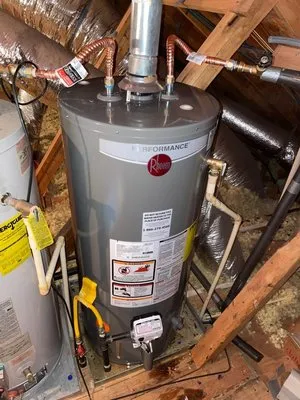
P & G Plumbing is a family-owned and operated company serving Houston with reliable plumbing services. For over six years, our team has been dedicated to solving residential and commercial plumbing is...

Pilix Plumbing is a licensed and insured plumbing service company serving Houston and surrounding areas with over 14 years of experience in both residential and commercial plumbing. We provide a compr...

Dotson Ed Plumbing is a Houston-based plumbing service operated by a third-generation plumber with over 20 years of experience. We specialize in comprehensive plumbing repairs and installations, inclu...
Willburn Plumbing is a family-owned and operated Houston plumbing service with deep roots in the community. Robert Willburn, the master plumber, is a third-generation tradesman who proudly reopened th...
Warren's Plumbing
Warren's Plumbing is a family-operated plumbing company serving Spring and the surrounding areas with over 15 years of dedicated experience. We are a local, licensed, and insured team that specializes...
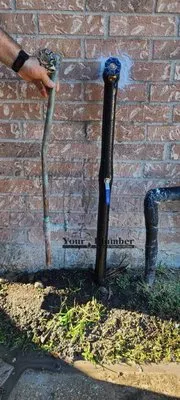
Luis Your Plumber is a family-owned and operated plumbing service based in Cypress, TX, founded by a Master Plumber with 14 years of experience. Together with his son, they combine over two decades of...
ARG Plumbing Services is a family-owned and operated plumbing company serving Houston, TX, with over 15 years of experience. We are fully licensed, insured, and certified, committed to providing relia...

Graham Plumbing Services
Graham Plumbing Services is a Stafford-based plumbing company owned and operated by a Texas Master Plumber since 2006. As A+ rated members of the Houston Better Business Bureau, we provide honest, rel...
A1 Discount Plumbing, owned and operated by licensed Master Plumber Brandon Falcon, has been serving Houston with reliable plumbing solutions since 2005. We believe in combining A1 service with genuin...
Estimated Plumbing Costs in Fifth Street, TX
Common Questions
Why do my 1998 copper pipes keep developing pinhole leaks?
Copper pipes from that era experience pinhole leaks due to several factors. After 28 years, the protective oxide layer wears thin, allowing localized corrosion. Water chemistry from the Trinity River source, combined with our hard water, accelerates this process. Joint calcification from mineral buildup creates stress points where leaks typically start first.
Could the flat land around Fifth Street Community Park cause drainage issues?
The plain terrain throughout Westside creates minimal natural slope for drainage. Water tends to pool rather than flow away from foundations. This puts constant hydrostatic pressure on main sewer lines, potentially causing joint separation over time. During heavy rains, the flat landscape can overwhelm municipal drainage systems, leading to backup concerns in lower-elevation homes.
How quickly can a plumber reach my Fifth Street home during an emergency?
Heading past Fifth Street Community Park on I-35 gives us direct access to most Westside neighborhoods. From our dispatch point, we maintain a 30-45 minute response window for urgent calls. The I-35 corridor allows bypassing local traffic during peak hours. We track real-time conditions to adjust routes if needed.
My Westside home's copper pipes are from 1998 - what should I watch for now?
Copper pipes installed around 1998 are now 28 years old. At this age, homeowners on Fifth Street often notice increased pinhole leaks, especially at joints and elbows where water turbulence accelerates wear. The original soldered joints may start failing due to decades of thermal expansion and contraction. You might see small green stains on pipe surfaces or minor drips that weren't present a few years ago.
Does Trinity River water damage my home's plumbing fixtures?
Water sourced from the Trinity River carries high mineral content that creates hard water conditions. This leads to scale buildup inside water heaters, reducing efficiency by up to 30% over time. Fixtures like showerheads and faucet aerators clog with calcium deposits. The minerals also accelerate corrosion in older copper systems, particularly at hot water connections.
Who handles permits and inspections for plumbing work in Texas?
I manage all Texas Department of Licensing and Regulation requirements and pull necessary permits. My Texas State Board of Plumbing Examiners certification ensures work meets state code. This includes pressure tests, material approvals, and final inspections. Homeowners avoid paperwork and compliance issues—I handle the red tape so you don't have to.
What's the most important winter plumbing tip for our 35°F winters?
Insulate exposed pipes in unheated spaces before temperatures drop to 35°F. Our temperate climate means homeowners often overlook this until a freeze occurs. Focus on pipes in attics, crawl spaces, and garage walls. Keep cabinet doors open during cold snaps to allow warm air circulation. A slow drip from faucets during hard freezes prevents pressure buildup from ice formation.
As a suburban homeowner, what unique plumbing issues should I anticipate?
Suburban homes here connect to municipal systems with consistent pressure that stresses older pipe joints. Tree roots seek water sources and frequently invade lateral lines between your house and the main sewer. The standard 3/4-inch copper mains in 1998-era homes sometimes struggle with modern water demand from multiple bathrooms. Regular camera inspections of laterals prevent root intrusion surprises.
