Top Emergency Plumbers in Emory, TX, 75440 | Compare & Call

There are 24 plumbing companies server in Emory TX
Since 2009, Charter Plumbing has been a trusted, family-owned plumbing company serving Wolfe City, Greenville, and all of Hunt County. We bring over a decade of local experience to every job, from rou...
RPM Plumbing is a trusted, locally-owned plumbing service based right here in Yantis, Texas. As a fully licensed and insured team, we specialize in providing reliable solutions for both everyday plumb...

The Plumbing Mann in Mesquite, TX is a third-generation, family-owned plumbing company with deep roots in the trade. Founded by a family where plumbing knowledge has been passed down through generatio...

ETX Handyman & Repair is a family-owned business with deep roots in home service. Owner, who has been in this line of work all his life, grew up working alongside his father, developing a passion for ...
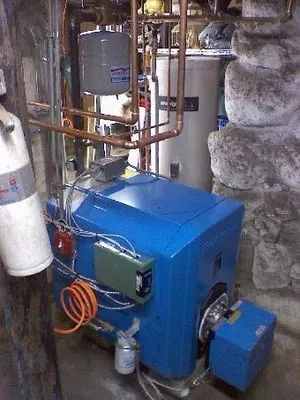
Aquaflow Plumbing is a trusted local plumbing service in Mabank, TX, specializing in comprehensive solutions for residential and commercial plumbing needs. With many homes in the area facing issues li...
At Your Service 903 is Daingerfield's trusted local expert for electrical, plumbing, and solar solutions. From installing new bathtubs and fixing leaky faucets to upgrading electrical panels and addin...

Serving Wills Point, Texas, EsTex Home Inspections provides comprehensive property evaluations to help homeowners make informed decisions. We specialize in thorough home, attic, plumbing, and roof ins...

I'm a proud East Texan, born and raised, and I've been married to my high school sweetheart since we were young. My journey in plumbing began in 2001 in Dallas, and over the last 18 years, I've worked...

THE DRAIN MAN PLUS is your trusted, local plumbing and drain specialist serving Kaufman and the surrounding communities. We handle everything from clogged drain cleaning and hydro jetting to comprehen...

Right Way Plumbing Services is your trusted, local plumbing expert in Fate, TX. We specialize in resolving the common plumbing challenges homeowners face, such as stubborn kitchen grease clogs and pip...
Estimated Plumbing Costs in Emory, TX
Q&A
What's the one winterizing tip I need for Emory, TX?
The winter low here can hit 33°F, which is right at the freezing threshold for exposed pipes. A specific pro-tip for this temperate climate is to disconnect, drain, and store garden hoses before the first freeze. A forgotten hose connected to an exterior spigot allows water to back up and freeze in the pipe wall inside your home, which almost always causes a burst.
Could the flat land around here cause plumbing problems?
The plain terrain and dense, clay-heavy soil common around Lake Tawakoni can complicate drainage. With minimal natural slope, water tends to pool and saturate the ground. This puts constant, uneven pressure on buried main sewer lines and can lead to settlement or shifting that stresses pipe joints, eventually causing a break or blockage in the line.
Why are so many Emory homes having plumbing issues lately?
Copper piping installed around 1978 is now 48 years old. This is the point where internal corrosion and fatigue from decades of water pressure become apparent. Homeowners in Downtown Emory are now seeing pinhole leaks in pipe walls, especially at elbows and joints, which were the first to wear thin. The plumbing in these houses has reached its typical service lifespan.
Does Lake Tawakoni water damage my home's plumbing?
Water sourced from Lake Tawakoni is hard, meaning it carries a high mineral content. Over time, this causes scale buildup inside pipes and appliances, reducing water flow and efficiency. The most noticeable impact is often on water heaters, where scale insulates the heating element, forcing it to work harder and fail prematurely. Fixture aerators also clog regularly with mineral deposits.
How fast can a plumber get to my house in Emory?
A typical dispatch route for calls east of town starts by heading past Lake Tawakoni on US-69, which is the main artery into Emory. From there, we navigate the local county roads. Barring any traffic on the highway, a 45 to 60 minute response window is standard to reach most properties within the city limits and the surrounding rural areas.
What's the most common plumbing failure in a 1970s Emory home?
Galvanic corrosion at dielectric unions, or where copper meets a dissimilar metal, is a frequent failure point. After 48 years, the protective dielectric fitting often degrades, allowing electrolysis to eat away at the pipe. This creates leaks that are not always at a visible joint, requiring a systematic check of all connections to water heaters and older steel fittings.
Who handles permits for a plumbing repair in Rains County?
Rains County Development Services manages all local permits. As a Master Plumber licensed by the Texas State Board of Plumbing Examiners, I pull the required permits for any major repair or replacement, ensuring the work meets current code. This handles the red tape so you don't have to navigate county bureaucracy or risk a violation for unpermitted work.
Are there different plumbing concerns for rural vs. downtown Emory properties?
Yes, the primary systems differ. Rural properties outside city limits typically rely on private wells and septic systems, requiring maintenance of pressure tanks, well pumps, and drain fields. In Downtown Emory, you're connected to municipal water and sewer, where concerns shift to managing city water pressure and potential root intrusion into the lateral line from street trees.
