Top Emergency Plumbers in Denver City, TX, 79323 | Compare & Call

There are 95 plumbing companies server in Denver City TX
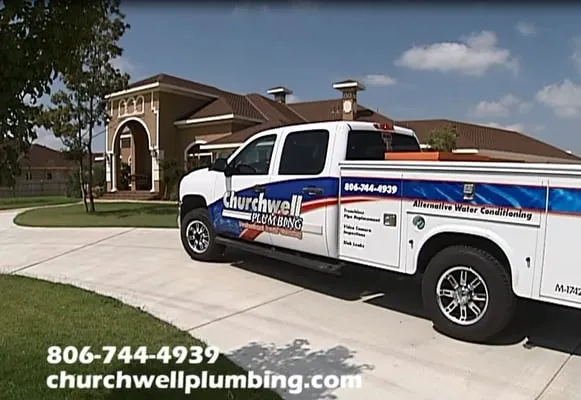
Churchwell Plumbing is a family-owned and operated plumbing company serving Lubbock and the South Plains since 1989. Founded by master plumber Gary Churchwell, who has over 30 years of industry experi...
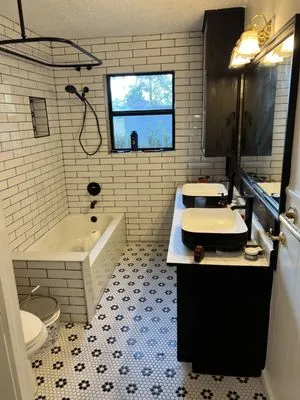
80Fix Handyman & Renovations is a trusted local service provider serving Lubbock, Texas, and surrounding areas. We specialize in a wide range of home repair and renovation services, from appliance ins...
JPro Plumbing is a family-owned plumbing service based in Lubbock, TX, dedicated to providing reliable and professional solutions for all your plumbing needs. With over 20 years of experience serving ...
Leak-Tek Plumbing
Leak-Tek Plumbing has been serving Lubbock, TX and surrounding areas including Yoacum County since 2016. Starting with specialized leak detection, we've grown to provide comprehensive plumbing and HVA...
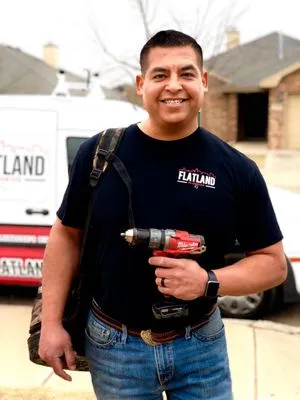
Flatland Plumbing is a family-owned and operated plumbing company serving Lubbock and surrounding areas. We provide comprehensive plumbing services including drain cleaning, water heater installation ...
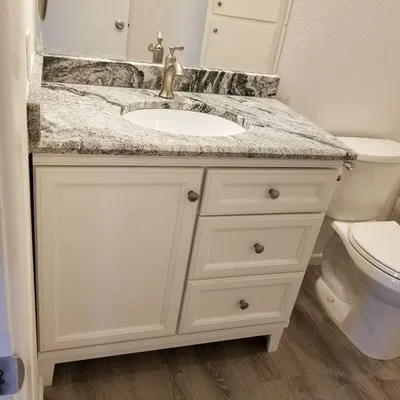
Founded in 2017 by Jason W. Sweeney, JWS Plumbing brings over 25 years of professional experience to Lubbock homes. After a decade of working in the city, Jason saw a clear need for a plumbing service...
J & W Plumbing Heating & A/C
J & W Plumbing Heating & A/C is a trusted, full-service plumbing and HVAC company serving Lubbock, TX, and the surrounding areas. With expertise in everything from bathtub and faucet installations to ...
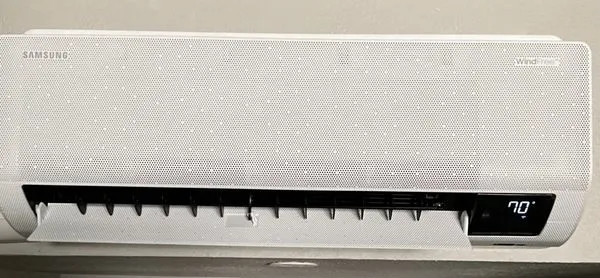
Bruce Thornton Air Conditioning
Bruce Thornton Air Conditioning (BTAC) began over 40 years ago when Bruce Thornton started the business from his garage at age 21. Through a steadfast commitment to treating people well and doing the ...
LBK Plumbing is a trusted local plumbing service in Lubbock, TX, dedicated to helping homeowners tackle common plumbing issues like drain clogs and broken shutoff valves. With a comprehensive range of...
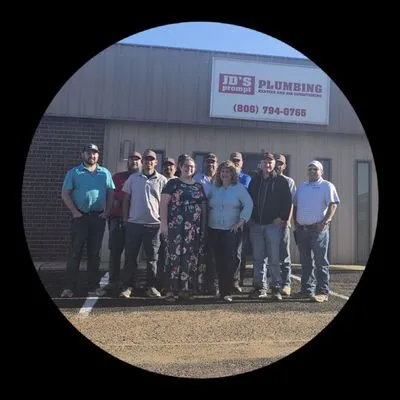
JD's Prompt Plumbing Heating & Air Conditioning
JD's Prompt Plumbing Heating & Air Conditioning has been a trusted name in Lubbock and the West Texas area since 1984. Starting with HVAC services and expanding to full-service plumbing in 2009, our l...
Estimated Plumbing Costs in Denver City, TX
FAQs
As a rural homeowner here, what unique plumbing systems do I need to maintain?
Many homes outside the city center operate on private well and septic systems, not municipal water and sewer. That means you're responsible for the well pump, pressure tank, and the entire septic field. Regular septic pumping every 3-5 years is critical to prevent field failure. Well water also typically requires more aggressive treatment for hardness and sediment compared to city water.
Does Denver City's hard water from the Ogallala Aquifer damage my appliances?
Yes, the mineral-rich water from the Ogallala Aquifer causes significant scale buildup. Inside your water heater, this sediment insulates the heating element, forcing it to work harder and fail sooner. On fixtures, it clogs aerators and showerheads. A whole-house water softener is the standard solution here to protect your hardware and improve efficiency.
What permits are needed for a plumbing repair in Denver City, and who handles that?
Most substantial repairs or replacements require a permit from the Denver City Building Department. As a master plumber licensed by the Texas State Board of Plumbing Examiners, I pull those permits, schedule inspections, and ensure the work meets all current code. My job is to handle that red tape so you don't have to navigate city hall, and your project is documented correctly for future resale.
Could the flat land around here cause drainage or sewer problems?
The plain terrain around Yoakum County Park offers little natural slope for drainage. If your home's main sewer line has even a slight belly or sag, waste and solids can collect there instead of flowing freely to the municipal main. This often leads to recurring slow drains or backups. A video inspection can identify these low spots, which may require jetting or a targeted repair.
How fast can a plumber get to my house in Denver City for an emergency?
From my shop, heading past Yoakum County Park on US Highway 82 gets me into the central neighborhoods. For a true emergency like a burst line, my target is 45-60 minutes. That route is direct, but actual time depends on your specific location off the main highway. It's always wise to know how to shut off your main water valve immediately while you wait.
Why are my 1980s copper pipes suddenly springing pinhole leaks?
Copper pipes installed in 1982 are experiencing advanced corrosion and joint calcification. Decades of hard water scaling act like sandpaper on the pipe's interior, thinning the walls. Combined with minor soil movement on the plains, this creates stress points. The failure usually starts as a pinhole leak behind a wall or under a slab, not a catastrophic burst, but it requires a section repair or re-pipe.
What's one thing I should do before spring to protect my plumbing in this dry climate?
Before the spring thaw when temps can swing to 25°F, drain and disconnect all outdoor hoses. Our arid climate makes people forget about freeze risks, but a single cold night can freeze water trapped in a hose bib and crack the interior valve. Insulating exposed pipes in unheated crawl spaces or garages is also a wise, low-cost precaution for our winter lows.
Should I be worried about my home's original copper plumbing in Denver City?
Your home's copper plumbing is now 44 years old. Copper has a typical lifespan of 50-70 years, but in our area, you're entering the window where pinhole leaks become common. Homeowners near the City Center often start seeing small blue-green stains around pipe joints or a drop in water pressure. This isn't a sudden failure but a gradual wear-out phase where proactive inspection can prevent major damage.
