Top Emergency Plumbers in Center, TX, 75935 | Compare & Call

There are 11 plumbing companies server in Center TX

Ark-La-Tex Foundation Solutions
Ark-La-Tex Foundation Solutions is a trusted, locally-owned foundation repair and construction company serving Keithville, LA, and the surrounding Ark-La-Tex region. With over 33 years of experience, ...

At Your Service 903 is Daingerfield's trusted local expert for electrical, plumbing, and solar solutions. From installing new bathtubs and fixing leaky faucets to upgrading electrical panels and addin...

Serving Wills Point, Texas, EsTex Home Inspections provides comprehensive property evaluations to help homeowners make informed decisions. We specialize in thorough home, attic, plumbing, and roof ins...
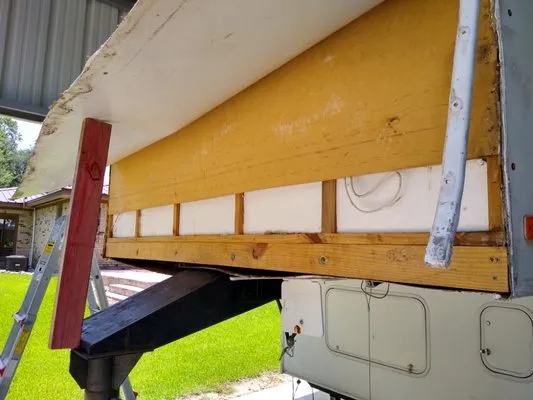
Brogan's Mobile Home and RV Service
Brogan's Mobile Home and RV Service is a trusted provider in Etoile, Texas, dedicated to serving the specific needs of the local community. With years of hands-on experience, we offer a comprehensive ...

Since 2004, my journey in plumbing has taken me from digging ditches as a laborer to proudly owning and operating Peace of Mind Plumbing here in Nacogdoches. This isn't just a job—it's my career and p...
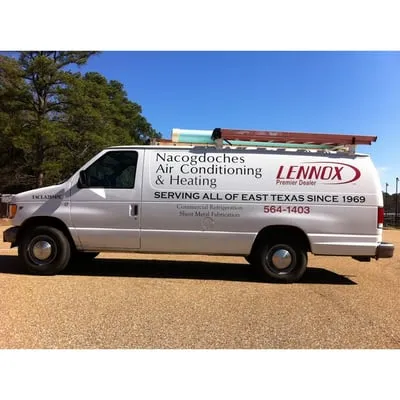
Nacogdoches Sheet Metal, Plumbing & A/C
Nacogdoches Sheet Metal, Plumbing & A/C is a family-owned and operated business deeply rooted in the community. Owned by Jason, a US Marine Corps veteran, and his wife Stephanie, the company carries f...

Angelina County Service Company
Angelina County Service Company is your trusted, local partner for home and business systems in Lufkin, TX. We provide reliable solutions for plumbing, HVAC, and metal fabrication, focusing on quality...
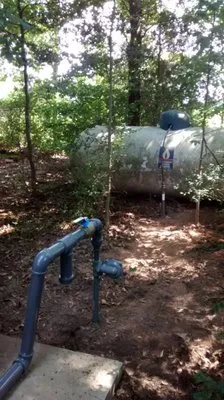
Isch Plumbing is a family-owned and operated service proudly serving Center and the surrounding Shelby County area. With over three decades of hands-on industry experience, owner-operator Jeremy Isch ...
Warr Zack Plumbing & Backhoe is a trusted, full-service plumbing contractor proudly serving Center, TX, and the surrounding Shelby County area. With deep roots in the community, they specialize in add...
Hughes Randy Lee Plumbing Office is a trusted, locally-owned plumbing service in Center, TX, dedicated to solving the common plumbing emergencies that homeowners face. We specialize in comprehensive p...
Estimated Plumbing Costs in Center, TX
Q&A
My copper pipes in Center were installed in 1982. What problems should I expect now?
Copper pipes installed in 1982 are now 44 years old. In the Center Historic District, homeowners commonly see pinhole leaks, especially in hot water lines where years of water chemistry have thinned the interior walls. Joints may also show signs of calcification, leading to slow drips behind walls or under slabs. This isn't an emergency yet, but it's the age where proactive inspection can prevent major water damage.
How fast can a plumber get to my house in Center, Texas?
Most service calls from our shop take 45 to 60 minutes. A typical dispatch route heads past the Shelby County Courthouse and onto US-96 to reach neighborhoods across the county. Knowing the main arteries lets us plan efficiently, so we can give you a reliable window instead of a vague estimate.
Could the hilly land around Center cause plumbing problems?
The sloping terrain, like the area around the courthouse, puts constant stress on the main sewer line exiting your home. Over decades, this can cause the pipe to sag or develop belly points where waste collects and causes blockages. It also affects drainage around your foundation, so ensuring proper grading away from the house is critical.
Does hard water from Toledo Bend Reservoir damage my plumbing?
Yes, the mineral content from the reservoir leads to significant scale buildup. Inside your water heater, this scale acts as an insulator, forcing the unit to work harder and shortening its lifespan. On fixtures and showerheads, it reduces flow and can corrode internal seals. Installing a whole-house water softener is the most effective long-term solution for protection.
Why are my 1980s copper pipes suddenly springing pinhole leaks?
Pinhole leaks in 44-year-old copper are often due to a process called type 2 pitting corrosion, accelerated by our local water chemistry. The protective inner oxide layer breaks down in spots, creating tiny, concentrated pits that eventually penetrate the pipe wall. This failure is most common in hot water lines and behind walls, where it goes unnoticed until a stain appears.
What's the most important thing to do before a freeze in Center?
Disconnect and drain all outdoor hoses. For our climate, where temperatures can dip to 36°F, a single overnight freeze can split a faucet's internal valve or the pipe just inside the wall. Insulating exposed pipes in crawl spaces is also wise, but the outdoor faucets are the most vulnerable point for a costly leak.
What permits do I need for a plumbing job in Center, and who handles that?
Most repairs or replacements require a permit from the City of Center Building Inspection Department. As a Master Plumber licensed by the Texas State Board of Plumbing Examiners, I pull all necessary permits and schedule the inspections. My responsibility is to handle that red tape and ensure the work meets code, so you don't have to navigate the process.
As a rural homeowner near Center, what unique plumbing systems should I maintain?
Your well pump and pressure tank, along with your septic system, require scheduled maintenance. The well's components wear out, and a failing pressure switch can burn up the pump. For the septic system, regular pumping every 3-5 years is non-negotiable to avoid a backup, which is far more costly and disruptive than the service itself.
