Top Emergency Plumbers in Belterra, TX, 78737 | Compare & Call

There are 239 plumbing companies server in Belterra TX
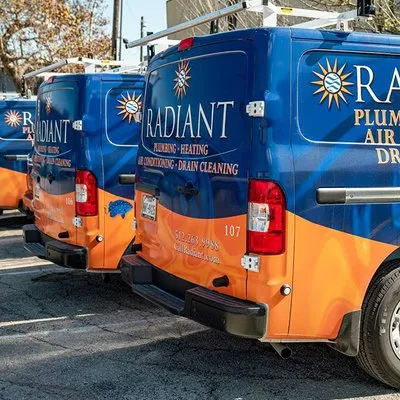
Radiant Plumbing & Air Conditioning - San Antonio
Radiant Plumbing & Air Conditioning has been serving San Antonio since 1999, built on a foundation of straightforward, honest service. We believe reliable plumbing and HVAC shouldn't be complicated or...

Alamo Water Softeners
Alamo Water Softeners has been a trusted name in water treatment for the Bulverde community since 2009. Founded by Allen and Trudy Townsend, who understood the importance of quality water for families...

Trio Plumbing Solution is a trusted plumbing company serving Lockhart, TX, and the surrounding areas. We believe in straightforward, reliable service for our community. Our focus is on solving your pl...

Connally Plumbing
Connally Plumbing is a family-owned and operated business proudly serving New Braunfels and the surrounding communities since 2013. Founded and led by Master Plumber Justin C. Connally, we are committ...
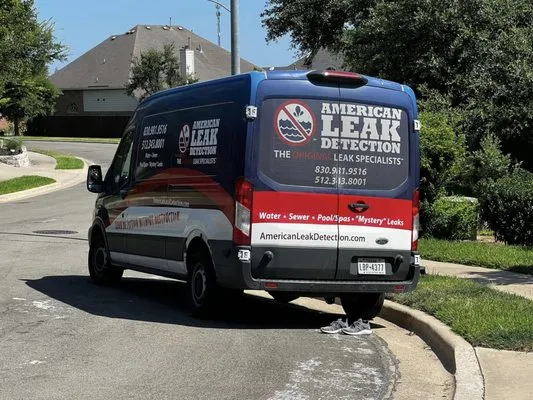
American Leak Detection in Boerne has been a trusted local presence since 1987, growing from a small team to a fleet of over 18 trucks serving 22 counties across Central Texas. Our team of 35 dedicate...

Come And Plumb It is a trusted plumbing service in San Marcos, TX, founded by Master Plumber Justin Biersdorfer in 2018. With over 15 years of experience, starting as an apprentice and now running his...
Hill Country Plumbing is your trusted local plumbing expert serving Wimberley, TX, and the surrounding Hill Country area. We specialize in comprehensive plumbing inspections to identify and address co...

210 Backflow is a trusted San Antonio plumbing and irrigation specialist serving the local community with comprehensive solutions for residential and commercial needs. We specialize in irrigation cons...

Woods Comfort Systems
Woods Comfort Systems is a trusted HVAC and plumbing company serving San Marcos and Central Texas since 1956. As Operations Director David Partain explains, the Woods family has built their reputation...

Kelly Williams Plumbing
Kelly Williams Plumbing is a trusted local plumbing service in San Marcos, TX, founded by Master Plumber Kelly Williams in 2010 after over 20 years in the industry. With more than 23 years of experien...
Estimated Plumbing Costs in Belterra, TX
Q&A
What permits or regulations apply to plumbing work in Hays County?
Hays County Development Services requires permits for water heater replacements, sewer line repairs, and any plumbing that alters the original system layout. As a Master Plumber licensed by the Texas State Board of Plumbing Examiners, I handle the red tape so you don't have to—from pulling permits to scheduling inspections. Proper documentation protects your home's value and ensures work meets current code standards for insurance and resale purposes.
As a suburban Belterra homeowner, what plumbing issues should I watch for?
Municipal water pressure here fluctuates with neighborhood demand, which tests pipe joints and appliance connections over time. Tree roots seek moisture in our clay soil and frequently invade sewer laterals, especially during dry periods. Unlike rural areas with wells and septic systems, you're dealing with centralized infrastructure where one neighbor's plumbing issue can sometimes indicate a broader pattern developing throughout Belterra Estates.
Does Belterra's hilly terrain affect my home's plumbing?
The slope around Belterra Village creates drainage challenges that put lateral stress on main sewer lines. Gravity works differently on hills, causing solids to settle in low sections of pipes and creating blockages. Soil movement on slopes can gradually shift pipe alignment, leading to separated joints or cracks in older sections. Properly graded drainage away from your foundation is crucial here to prevent water from following utility trenches back toward your home.
How quickly can a plumber reach my home in Belterra?
Heading past Belterra Village on US-290 gets me into your neighborhood within 45-60 minutes from most local service areas. That route avoids downtown Austin traffic while providing direct access to Belterra Estates. I keep my truck stocked with common PEX fittings and water heater parts specific to this area, so I'm usually prepared to handle most emergencies on that first visit without needing to return for parts.
How long do PEX pipes last in Belterra homes?
Belterra's PEX plumbing systems were installed around 2011, making them 15 years old in 2026. At this age, homeowners in Belterra Estates often notice minor leaks at fittings or slight discoloration in water from mineral buildup inside the pipes. The plasticizer in PEX can begin to degrade after 15 years of exposure to our hard water, leading to brittleness at connection points. Regular inspections now can catch small issues before they become major repairs.
Why does my Belterra home have so much scale on fixtures?
Water from the Colorado River contains high mineral content that creates hard water scaling throughout your plumbing system. This scale buildup reduces water heater efficiency by insulating heating elements and accumulates inside pipes to restrict flow over time. Fixtures develop white crusty deposits because minerals precipitate out when water evaporates, and without a whole-house water softener, this process accelerates pipe deterioration and appliance wear.
What plumbing problems are common in 2011-built Belterra homes?
PEX systems from 2011 often develop pinhole leaks at crimp connections or experience joint calcification where hard water minerals accumulate. The brass fittings used with PEX during that installation period can corrode when exposed to our water chemistry, creating slow leaks behind walls. I frequently replace entire sections of pipe where multiple fittings have failed simultaneously due to age-related material fatigue.
What should I do to prepare my plumbing for Texas temperature swings?
When overnight lows hit 38°F, exposed pipes in garages or crawl spaces need insulation, especially on north-facing walls. During summer heat peaks, water pressure can spike as municipal systems work harder, stressing older pipe connections. A pro-tip for our temperate climate: install pressure-regulating valves and maintain them annually, as consistent pressure management prevents more emergencies than reacting to temperature extremes alone.
