Top Emergency Plumbers in Abernathy, TX, 79311 | Compare & Call

There are 177 plumbing companies server in Abernathy TX
Jay Young Plumbing Heating and Air Conditioning
Jay Young Plumbing, Heating & Air Conditioning has been a trusted name in Lubbock for over 17 years, built on a foundation of more than 30 years of combined hands-on experience. Licensed and insured, ...
Churchwell Plumbing is a family-owned and operated plumbing company serving Lubbock and the South Plains since 1989. Founded by master plumber Gary Churchwell, who has over 30 years of industry experi...
Mr Wilson's plumbing and Drain solutions
Since 2003, Mr. Wilson's Plumbing and Drain Solutions has been the trusted plumbing service for Wolfforth residents and businesses. With over 20 years of combined experience, our licensed team special...
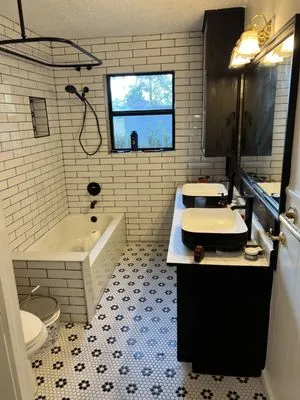
80Fix Handyman & Renovations is a trusted local service provider serving Lubbock, Texas, and surrounding areas. We specialize in a wide range of home repair and renovation services, from appliance ins...
JPro Plumbing is a family-owned plumbing service based in Lubbock, TX, dedicated to providing reliable and professional solutions for all your plumbing needs. With over 20 years of experience serving ...

Joe Rushing Plumbing & HVAC has been a trusted fixture in Lubbock and Levelland since 1948. As a family-operated business, we've built our reputation on reliable, comprehensive service, handling every...
Leak-Tek Plumbing
Leak-Tek Plumbing has been serving Lubbock, TX and surrounding areas including Yoacum County since 2016. Starting with specialized leak detection, we've grown to provide comprehensive plumbing and HVA...
Earl's Plumbing & Air
Earl's Plumbing & Air is a Lubbock institution founded in 1972 by Earl Haralson. After years working with his father in the trade, Earl started with a single truck and a commitment to quality work at ...

Flatland Plumbing is a family-owned and operated plumbing company serving Lubbock and surrounding areas. We provide comprehensive plumbing services including drain cleaning, water heater installation ...
Founded in 2017 by Jason W. Sweeney, JWS Plumbing brings over 25 years of professional experience to Lubbock homes. After a decade of working in the city, Jason saw a clear need for a plumbing service...
Estimated Plumbing Costs in Abernathy, TX
Questions and Answers
Does our hard water from the Ogallala Aquifer damage plumbing?
Water drawn from the Ogallala Aquifer is rich in minerals like calcium and magnesium. This hardness leads to scale buildup inside pipes, water heaters, and fixtures. In a water heater, scale acts as an insulator on the heating elements, forcing them to work harder and fail sooner. On faucet cartridges and shower valves, the mineral deposits cause wear and restrict flow, leading to drips and low pressure.
Could the flat land around Abernathy City Park cause drainage problems?
The plain terrain means there's very little natural slope to assist with drainage. Around properties near Abernathy City Park, this can lead to standing water pooling against foundation walls after irrigation or heavy rain. Over time, that saturated soil puts constant hydrostatic pressure on underground sewer lines, which can cause joint failure or pipe collapse. Proper grading away from the house is a critical, often overlooked, defense.
What's the most important cold-weather plumbing tip for Abernathy?
Insulate any exposed pipes in unheated crawl spaces or attics, even though our winter lows average around 24°F. The real risk here is the spring thaw. Rapid temperature swings from day to night can cause pipes to expand and contract quickly, stressing old solder joints and galvanized fittings. A pro-tip is to disconnect and drain garden hoses in the fall and ensure your exterior hose bibs are frost-proof.
What plumbing issues should I expect in a 60-year-old Abernathy home?
With galvanized steel pipes installed around 1966, they are now 60 years old. Homeowners in Downtown Abernathy commonly see drastically reduced water pressure and persistent rust-colored water. This is the stage where internal scale buildup fully occludes the pipe bore, and the steel itself begins to fatigue and fail at threaded joints. Repairs often shift from fixing single leaks to planning a full repipe.
Do I need a permit to replace my water heater in Abernathy?
Most plumbing replacements, including water heaters, require a permit from the Abernathy Building Department. As a Master Plumber licensed by the Texas State Board of Plumbing Examiners, I handle pulling that permit, scheduling the required inspections, and ensuring the installation meets all current code. This process protects your home's value and safety, and it's my job to manage the red tape so you don't have to.
How quickly can a plumber get to my house in Abernathy?
Our typical dispatch route heads past Abernathy City Park to access I-27, which allows for efficient coverage across the city and county. From there, we can reach most addresses within a 45 to 60 minute window after the call. Knowing the main arteries like I-27 and county roads lets us provide reliable time estimates, barring major road closures or severe weather.
Are there different plumbing concerns for rural vs. downtown Abernathy homes?
Yes, the systems are fundamentally different. Rural properties typically rely on private wells and septic systems, requiring maintenance of the pressure tank, well pump, and septic field. In downtown Abernathy, you're on city water and sewer. The concerns there are managing municipal water pressure, which can fluctuate, and ensuring your lateral line to the main sewer is clear of roots or debris from mature neighborhood trees.
Why do my old galvanized pipes keep springing pinhole leaks?
Galvanized steel from the 1960s has a protective zinc coating that erodes over decades. Once that coating is gone, the underlying iron is exposed to our hard water, leading to accelerated corrosion. Pinhole leaks are a classic failure mode at this stage, often appearing along the bottom of horizontal pipe runs or at fittings where corrosion concentrates. These leaks can be intermittent, appearing during high-use periods or pressure surges.
