Top Emergency Plumbers in South Cleveland, TN, 37311 | Compare & Call

There are 160 plumbing companies server in South Cleveland TN
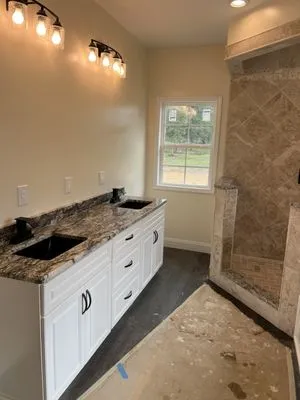
B&T Plumbing & Septic is a family-owned plumbing and septic service based in Chatsworth, GA, established in 2009. Owned by Brandon, who holds a Masters plumbing license, contractors plumbing license, ...
Weaver Plumbing
Weaver Plumbing is a Calhoun-based plumbing service founded in 2016 by an owner whose career began with a general contractor at age 15. He worked his way through Georgia Southern University before est...

National Plumbing Service is a family-owned and operated plumbing company based in Dalton, GA, with deep roots in the local community. Founded by Mario, who began his career as an apprentice with a lo...
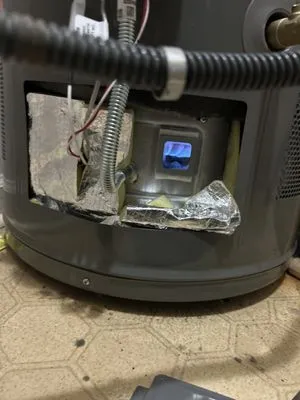
Mandoz Construction & Home Solutions is a locally owned and operated business in Dalton, GA, founded on a decade of hands-on experience in the trades. Growing up working alongside my father, I learned...

Lively Construction is your trusted, local expert for home maintenance and improvement in Dalton, GA. We specialize in a wide range of essential services, from plumbing and fixture repairs to fence an...
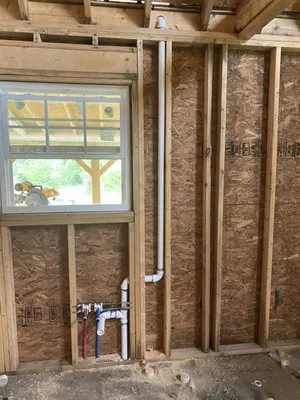
Jackson Plumbing is your trusted, local plumbing expert serving Trion and the surrounding communities. As a licensed and insured company, we are dedicated to providing reliable plumbing services for y...
Clayton Handyman Service is your trusted local expert in Dalton, GA, providing reliable plumbing solutions tailored to the specific needs of our community. We specialize in thorough plumbing inspectio...
J.W Construction is a trusted, locally-owned contractor serving Dalton, GA, and the surrounding area. We specialize in both plumbing and electrical services, offering comprehensive solutions for resid...

Five Star Bath Solutions
James Dixon, owner of Five Star Bath Solutions of Dalton, brings a dedicated, hands-on approach to every bathroom project. He focuses on understanding each homeowner's vision to deliver a lasting, qua...
Highmark Plumbing Service
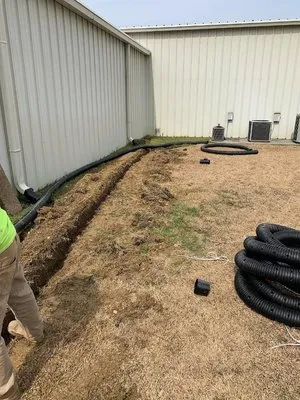
Highmark Plumbing Service is a trusted, full-service plumbing company serving Dalton, GA, and the surrounding area. We specialize in a comprehensive range of residential plumbing needs, from emergency...
Estimated Plumbing Costs in South Cleveland, TN
Q&A
Who handles permits and inspections for plumbing work in Cleveland?
The Cleveland Building and Inspections Department oversees all local plumbing permits and inspections. As a licensed master plumber with Tennessee Department of Commerce and Insurance credentials, I manage the required paperwork and ensure code compliance. This includes pulling permits, scheduling inspections, and providing documentation for your records. Handling this red tape means you can focus on your home rather than bureaucratic processes.
How quickly can a plumber reach my home in South Cleveland?
Heading past Lee University on I-75, most South Cleveland addresses are within a 20-30 minute response window. The interstate provides direct access to residential areas without downtown traffic delays. This routing allows for predictable arrival times even during peak hours, ensuring prompt attention to plumbing emergencies.
How does the hilly terrain around Lee University affect my plumbing?
The sloping landscape around South Cleveland creates uneven stress on main water lines and drainage systems. Downhill properties often experience increased pressure on supply lines, while uphill homes may have drainage challenges. Soil shifting on hillsides can stress pipe joints and connections over time. Proper grading around your foundation helps direct water away from the main line entry point.
What's the best way to prevent frozen pipes during Cleveland winters?
With winter lows around 29°F, pipes in unheated spaces need insulation before the first freeze. Focus on crawlspaces, attics, and exterior walls where plumbing runs through. Let faucets drip during extreme cold snaps to maintain water movement. Drain and shut off outdoor spigots before temperatures drop, as these are typically the first points to freeze and burst.
My copper pipes are from 1986 - what should I expect at this age?
Copper pipes installed around 1986 are now 40 years old. Homeowners in Downtown Cleveland are seeing increased frequency of pinhole leaks and joint failures as the copper thins from decades of water flow. This aging infrastructure often shows up as small damp spots on walls or ceilings before developing into larger issues. Regular inspections of exposed pipes in basements and crawlspaces can catch problems before they require emergency repairs.
Why do my 1980s copper pipes keep developing pinhole leaks?
Copper pipes from the 1980s often develop pinhole leaks due to erosion-corrosion from decades of water flow. The combination of hard water minerals and normal wear creates thin spots that eventually perforate. These leaks typically start small but can quickly escalate, especially at joints and elbows where water turbulence is greatest. Installing dielectric unions at connections to dissimilar metals can help extend the remaining service life.
Does Hiwassee River water affect my plumbing fixtures?
Water sourced from the Hiwassee River contains high mineral content that leads to significant scale buildup. This hard water accelerates wear on water heater elements and reduces fixture flow rates over time. You'll notice reduced pressure at faucets and showerheads as mineral deposits accumulate. Installing a whole-house water softener or regular descaling of affected fixtures helps manage these effects.
As a suburban homeowner, what unique plumbing issues should I watch for?
Suburban properties in South Cleveland typically connect to municipal water systems with consistent pressure that can stress older plumbing. Tree roots seeking water sources sometimes infiltrate lateral lines between your home and the main. Regular checks of your water meter during periods of no usage can detect hidden leaks before they become major issues. Maintaining cleanouts accessible helps with routine inspections and repairs.
