Top Emergency Plumbers in Powells Crossroads, TN, 37397 | Compare & Call

Powells Crossroads Emergency Plumbers
Phone : (888) 860-0649
There are 111 plumbing companies server in Powells Crossroads TN

National Plumbing Service is a family-owned and operated plumbing company based in Dalton, GA, with deep roots in the local community. Founded by Mario, who began his career as an apprentice with a lo...
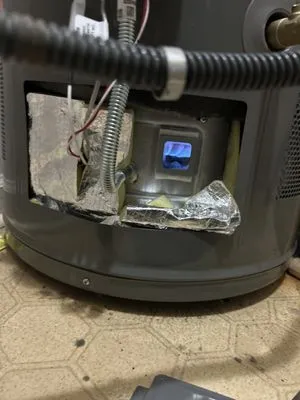
Mandoz Construction & Home Solutions is a locally owned and operated business in Dalton, GA, founded on a decade of hands-on experience in the trades. Growing up working alongside my father, I learned...

Lively Construction is your trusted, local expert for home maintenance and improvement in Dalton, GA. We specialize in a wide range of essential services, from plumbing and fixture repairs to fence an...
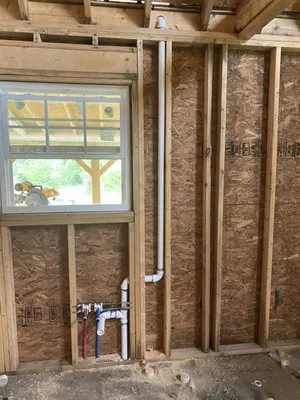
Jackson Plumbing is your trusted, local plumbing expert serving Trion and the surrounding communities. As a licensed and insured company, we are dedicated to providing reliable plumbing services for y...

Barragan Plumbing Services is a trusted, locally-owned plumbing company serving Dalton, GA, and the greater North Georgia region. We provide comprehensive residential and commercial plumbing solutions...
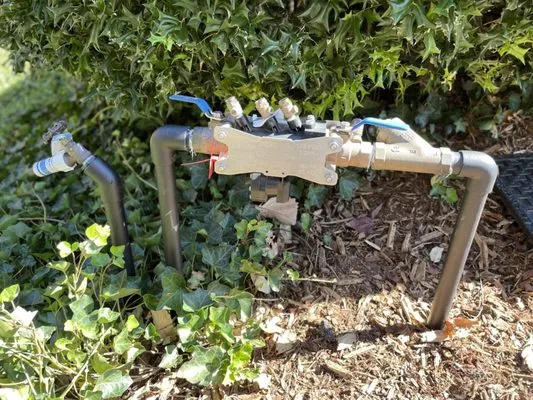
River City Irrigation
River City Irrigation is a family-owned and operated business proudly serving Ringgold and the surrounding communities with over three decades of reliable service. As a locally trusted provider, we ar...
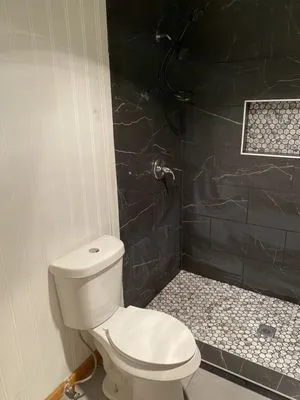
RJB Renovations is a trusted home improvement partner serving Ringgold and the greater North Georgia area. Founded in 2018, we are a certified deck builder and full-service remodeler dedicated to turn...
Rooter Pros LLC is a family-owned plumbing and drain service company serving Cohutta, GA, and the surrounding communities. We operate on a simple principle: upfront, honest service at fair prices, wit...

King of the Crapper Plumbing is a trusted, locally-owned plumbing service provider serving Rossville, GA, and the surrounding communities. We specialize in a comprehensive range of residential and com...

Norman Zeller, a certified professional in both Tennessee and Georgia, has been the trusted local specialist for backflow device testing and repair in Ringgold, GA, for 25 years. His company focuses e...
Estimated Plumbing Costs in Powells Crossroads, TN
FAQs
How quickly can a plumber reach my home near Nickajack Lake?
Heading past Nickajack Lake on US-41 provides direct access to most Powells Crossroads neighborhoods. That dispatch route typically takes 45-60 minutes depending on traffic and specific location. The US-41 corridor connects efficiently to residential areas while avoiding backroad delays. This timing allows for proper assessment before arrival and ensures we bring the right equipment for your specific situation.
Why do my copper pipes keep developing pinhole leaks?
Copper pipes from the early 1980s often develop pinhole leaks due to a combination of age and local water chemistry. After 44 years, the protective oxide layer inside the pipes breaks down, allowing corrosion to penetrate the copper wall. This creates weak spots that eventually perforate under normal water pressure. The problem typically starts at joints or areas with turbulent water flow where corrosion accelerates.
Could the hilly terrain around Nickajack Lake affect my main sewer line?
The sloping terrain around Nickajack Lake creates additional stress on main sewer lines running downhill from homes. Gravity causes wastewater to flow faster, increasing erosion on pipe interiors over decades. Soil movement on hillsides can shift pipe alignment, creating low spots where debris collects and causes blockages. Proper support and occasional camera inspections help identify these terrain-related issues before they become emergencies.
My house was built around 1982 in Powells Crossroads Center - should I be worried about my plumbing?
Copper pipes installed in 1982 are now 44 years old, which is the typical lifespan for residential copper systems in our area. Homeowners in Powells Crossroads Center are seeing increased frequency of small leaks, particularly at solder joints and fittings. The copper has experienced decades of thermal expansion and water chemistry exposure, making it more brittle. Many neighbors are scheduling proactive inspections before minor issues become major water damage problems.
Who handles permits for plumbing work in Marion County?
Marion County Planning and Zoning oversees permits for plumbing installations and modifications. As a licensed master plumber through the Tennessee Department of Commerce and Insurance Board of Examiners for Licensing Contractors, I manage all required paperwork and inspections. This includes securing permits, scheduling county inspections, and ensuring work meets current codes. Handling this red tape means homeowners avoid bureaucratic delays and potential compliance issues.
Does Tennessee River water damage my water heater?
Tennessee River water contains minerals that create hard water scale buildup throughout your plumbing system. In water heaters, this scale accumulates at the bottom of the tank, reducing efficiency and eventually causing premature failure. The minerals also coat heating elements, forcing them to work harder and shortening their lifespan. Regular flushing and anode rod replacement become essential maintenance with our local water supply.
What should I do before spring thaw to prevent plumbing problems?
Before temperatures drop to 28°F during spring thaw nights, disconnect and drain outdoor hoses to prevent backflow freezing. Insulate exposed pipes in crawl spaces and attics, as our temperate climate means homeowners often overlook these vulnerable areas. Keep cabinet doors open to allow warm air circulation around pipes during cold snaps. These simple steps prevent the most common freeze-related emergencies we see each spring.
As a rural homeowner, what plumbing systems need special attention?
Rural properties typically rely on well water and septic systems that require different maintenance than municipal services. Well pumps and pressure tanks need regular checks for proper operation and pressure settings. Septic systems require periodic pumping every 3-5 years depending on household size. These systems operate independently without city oversight, making proactive maintenance essential to avoid complete system failures.
