Top Emergency Plumbers in New Union, TN, 37355 | Compare & Call

There are 177 plumbing companies server in New Union TN

JK Reliable Handyman is your trusted local contractor in Florence, AL, specializing in expert plumbing and home repair solutions. We understand that Florence homeowners often face specific challenges ...
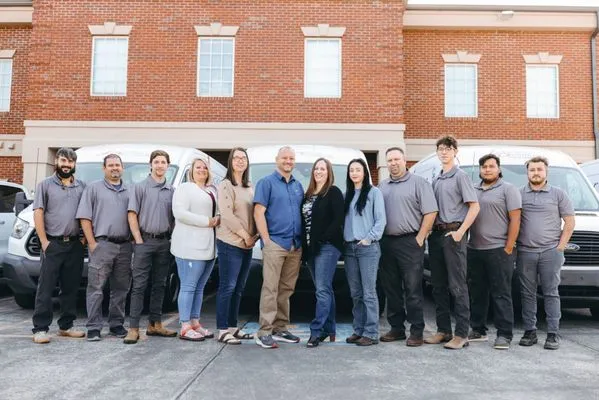
Locklear Plumbing
Locklear Plumbing is a trusted, family-owned and operated company serving Calhoun and the surrounding Northwest Georgia area since 2004. For over 20 years, our experienced plumbers have built a reputa...
Weaver Plumbing
Weaver Plumbing is a Calhoun-based plumbing service founded in 2016 by an owner whose career began with a general contractor at age 15. He worked his way through Georgia Southern University before est...

National Plumbing Service is a family-owned and operated plumbing company based in Dalton, GA, with deep roots in the local community. Founded by Mario, who began his career as an apprentice with a lo...
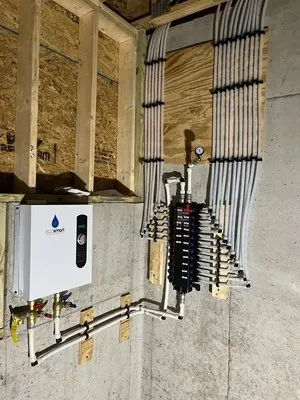
Mitchell's Plumbing
Mitchell's Plumbing is a trusted, full-service plumbing company serving Lafayette, GA, and the surrounding areas. We specialize in addressing common local plumbing issues like bathroom drain buildup a...
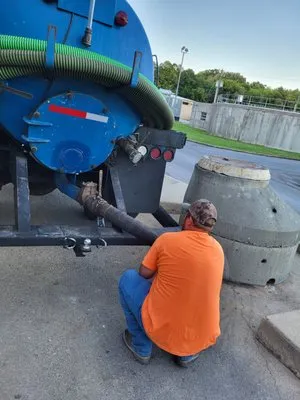
Triple S Septic Solutions is a locally owned and operated business in Tunnel Hill, GA, dedicated to providing reliable septic and plumbing services. Founded in 2024, our mission is to offer homeowners...

Everett's Plumbing
Everett's Plumbing is a trusted, locally-owned plumbing service serving Ringgold, GA, and the surrounding communities. We specialize in a comprehensive range of services, from routine plumbing inspect...
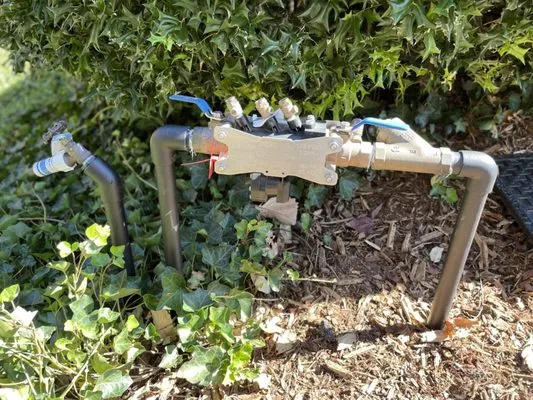
River City Irrigation
River City Irrigation is a family-owned and operated business proudly serving Ringgold and the surrounding communities with over three decades of reliable service. As a locally trusted provider, we ar...

Plunger Guys Plumbing And Septic is a trusted, locally-owned plumbing service in Rossville, GA, dedicated to providing reliable and efficient solutions for homes and businesses. Our experienced team h...
Case Plumbing is a trusted local plumbing service based in Trenton, GA, dedicated to keeping homes and businesses running smoothly. We specialize in thorough plumbing inspections to identify and addre...
Estimated Plumbing Costs in New Union, TN
Questions and Answers
Could the hilly land around Old Stone Bridge be affecting my main sewer line?
Yes, the slope of the terrain puts constant, uneven stress on the main drain line running from your house to the street or septic tank. Over decades, this can cause the pipe to sag or develop bellies where waste collects, leading to chronic clogs. Soil erosion around hillside properties can also expose and damage buried lines. It's a common reason for recurring drainage problems in this specific part of New Union.
How fast can a plumber get to my home near Old Stone Bridge?
My dispatch route usually starts by heading past Old Stone Bridge on US-70. Depending on traffic and your specific location off the highway, you can expect a 45 to 60 minute response window. This accounts for the winding stretches of road and the distance to some of the more rural properties. We prioritize calls to get a truck moving as soon as the job is booked.
Who handles the permits and inspections for a water heater replacement in Coffee County?
The Coffee County Building Codes Department issues the required permits. As a licensed Master Plumber credentialed by the Tennessee Department of Commerce and Insurance Board of Plumbing Examiners, I pull those permits and schedule the final inspection as part of the job. My license means I handle that red tape and ensure the installation meets all current code, so you don't have to navigate the bureaucracy yourself.
Are septic system problems different for rural homes here than city sewer issues?
Absolutely. Rural properties here rely on septic systems and often private wells, which are a homeowner's full responsibility. Issues are rarely just a clog; they involve the drain field's absorption capacity, the well pump's pressure, and the tank's structural integrity. For homes on municipal water, the primary concerns are main line breaks from soil shift and ensuring proper backflow prevention devices are installed and tested as required by code.
What's causing these small, persistent leaks in my copper pipes?
For 1992-era copper, the most frequent failure is pinhole leaks caused by internal pitting corrosion. Hard water accelerates this process. You might also see solder joints at fittings fail due to decades of thermal expansion and contraction. The problem often starts behind walls or under slabs, so a small drip on the ceiling usually means a larger issue has been developing out of sight for some time.
Does our water from the Cumberland River ruin appliances?
The mineral content in the river creates very hard water. This leads to scale buildup, which acts as an insulator inside your water heater, forcing it to work harder and fail sooner. On fixtures, scale clogs aerators and showerheads, reducing flow. Installing a whole-house water softener is the most effective defense to protect your water heater, fixtures, and the pipes themselves from accelerated wear.
What's the most important plumbing task to do before spring in New Union?
Disconnect and drain your garden hoses before the first hard freeze around 28°F. A more critical pro-tip for our temperate climate is to inspect your home's exterior foundation vents before the spring thaw. Make sure they are closed in winter to keep cold air off pipes in crawl spaces, then open them in spring to prevent moisture buildup. This simple step prevents many frozen pipe and mold issues we see annually.
Why are so many houses in New Union Estates getting plumbing leaks lately?
The copper plumbing in this area was installed around 1992, making it 34 years old in 2026. Copper has a typical lifespan of 30 to 50 years, depending on water quality. Many homes in the Estates are now entering the phase where pinhole leaks from internal corrosion and joint failures become common. You're not seeing a coincidence; it's the predictable aging of the entire neighborhood's original plumbing systems.
