Top Emergency Plumbers in New Tazewell, TN, 37824 | Compare & Call

There are 87 plumbing companies server in New Tazewell TN

Marcum's Maintenance And Drain Opening is a trusted, local plumbing service in Middlesboro, KY, providing reliable solutions for homes and businesses. We specialize in a full range of services from ba...
Rays Drain Service is a Barbourville-based plumbing and drain cleaning company founded on a foundation of faith, family, and integrity. As a local Christian minister and family man, owner Ray believes...
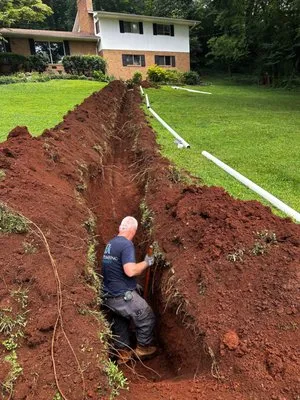
The Plumbing Authority
The Plumbing Authority is a locally owned and operated plumbing service in Knoxville, TN, with deep roots in the trade spanning four generations. Founded by Bryan, a licensed master plumber who grew u...
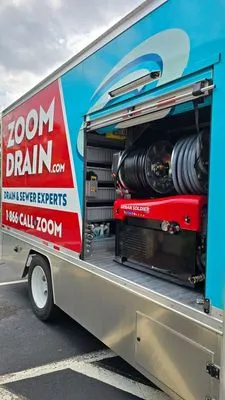
Zoom Drain Knoxville is your local plumbing and drain specialist, ready to solve problems for homes and businesses throughout the area. We're built on a promise of being fast, focused, and getting the...
Forrest The Plumber is a trusted, locally owned plumbing service in Seymour, Tennessee. With nearly three decades of hands-on experience, owner Forrest brings deep expertise in both residential and co...
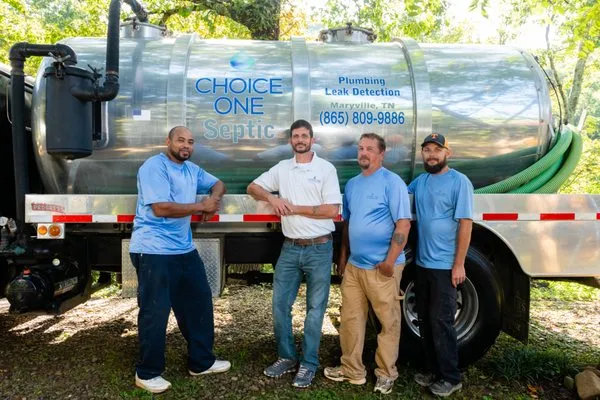
Choice One Plumbing is a licensed and insured plumbing company serving Maryville, TN, and surrounding areas since 2018. Founded by Robert Rutherford, who brings over 15 years of plumbing experience, t...
Domco Plumbing is a locally owned and operated service in Maryville, TN, founded by a plumber with over two decades of experience. Owner Dom's journey began with a childhood fascination for how water ...
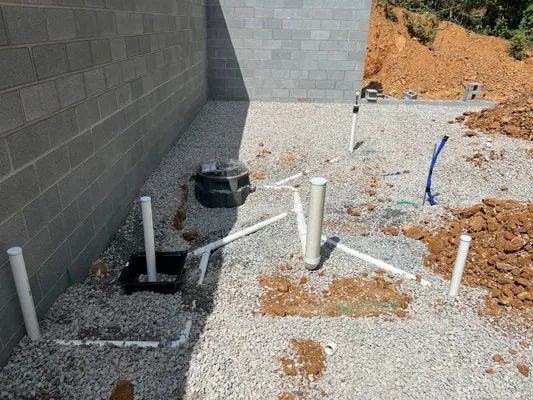
Pipe Dreams Plumbing is your local, licensed, and insured plumbing partner in Heiskell, TN. Founded in December 2020, we bring over three decades of combined hands-on experience to every job, from sim...
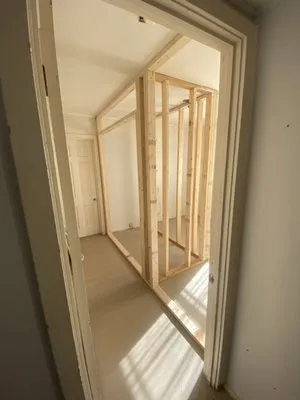
Cheezys Plumbing & Renovation
Cheezys Plumbing & Renovation is a trusted, locally-owned contractor serving homeowners across Knoxville, TN. With over 20 years of combined experience, we provide reliable residential plumbing servic...
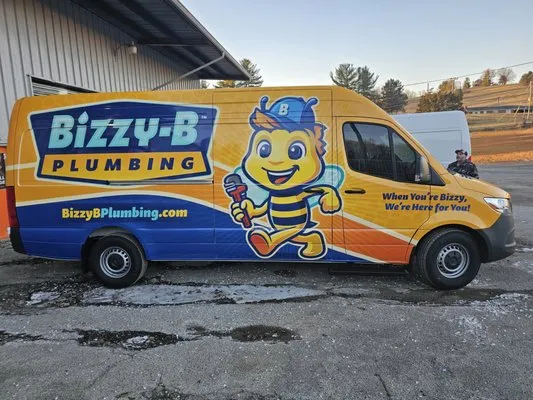
Lance Ford, owner and master plumber at Bizzy B Plumbing & Home Improvement, brings a wealth of experience to every job. Since starting the company in 2011, he has been dedicated to providing reliable...
Estimated Plumbing Costs in New Tazewell, TN
Q&A
Could the hilly land around my house be causing drainage issues?
The steep slopes common around Norris Lake put constant stress on the main sewer line running from your home to the street. Over decades, this can cause the pipe to sag or separate at joints, creating a low spot where waste collects and causes blockages. If you notice slow drains in lower-level fixtures, it's often a sign the main line's pitch has been compromised by the shifting soil.
Who handles permits and inspections for plumbing work in Claiborne County?
The Claiborne County Building Inspector issues permits and performs final inspections. As a master plumber licensed by the Tennessee Department of Commerce and Insurance Board for Licensing Contractors, I pull all required permits and schedule the inspections. This ensures the work meets current code, protects your home's value, and handles the red tape so you don't have to.
How long does it take for a plumber to get to New Tazewell in an emergency?
Heading past Norris Lake on US-25E, the dispatch route into New Tazewell takes about 45 to 60 minutes from the moment you call. Traffic is generally light, but weather on the hills can slow travel. We factor this drive time into our scheduling so you get a realistic arrival window, not a best-case estimate.
Does Norris Lake water cause problems for my water heater?
Yes, the hard water from the Norris Lake watershed leads to significant scale buildup inside your water heater's tank and on its heating elements. This insulating layer reduces efficiency, increases energy costs, and can overheat the bottom of the tank, leading to premature failure. Installing a whole-house water softener or scheduling annual flushing can extend the appliance's life by several years.
What's one thing I should do every spring to avoid plumbing problems?
Before the spring thaw hits its peak, disconnect and drain all outdoor garden hoses. A hose left connected traps water in the faucet's interior pipe, which can freeze and burst during a late cold snap, even when daytime temps are mild. This simple five-minute task prevents one of the most common and costly exterior water leaks we see each year.
Why do I keep getting pinhole leaks in my copper pipes?
Copper pipes installed in 1978 are susceptible to pinhole leaks due to a process called Type 2 pitting corrosion. This is often accelerated by our area's hard water, which creates microscopic pits in the pipe wall that eventually penetrate. The leaks typically appear on horizontal hot water lines first. Replacing entire affected sections, rather than just patching, is usually the most reliable fix.
Are there special plumbing considerations for living in a rural area like ours?
Rural properties here often rely on private wells and septic systems, not municipal water and sewer. This means maintaining the pressure tank, well pump, and septic field is your responsibility. A failing pressure switch or a saturated drain field are unique emergencies that require specific expertise beyond standard pipe repair.
My home was built in the late 1970s. Should I be worried about my plumbing?
Homes built around 1978, common in Town Center, now have copper pipes that are 48 years old. At this age, the original solder used in joints begins to fail, and the pipe walls thin from decades of water flow. You might notice small green stains around fittings or a sudden drop in water pressure, which are signs the system is reaching its expected service life. Proactive inspections can identify weak points before they become major leaks.
