Top Emergency Plumbers in East Cleveland, TN, 37311 | Compare & Call

There are 80 plumbing companies server in East Cleveland TN
National Plumbing Service is a family-owned and operated plumbing company based in Dalton, GA, with deep roots in the local community. Founded by Mario, who began his career as an apprentice with a lo...
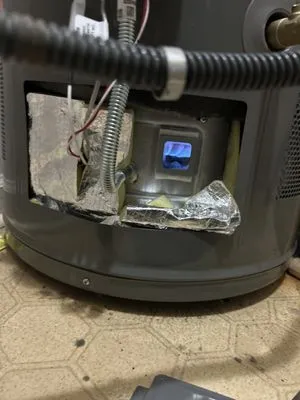
Mandoz Construction & Home Solutions is a locally owned and operated business in Dalton, GA, founded on a decade of hands-on experience in the trades. Growing up working alongside my father, I learned...
J.W Construction is a trusted, locally-owned contractor serving Dalton, GA, and the surrounding area. We specialize in both plumbing and electrical services, offering comprehensive solutions for resid...
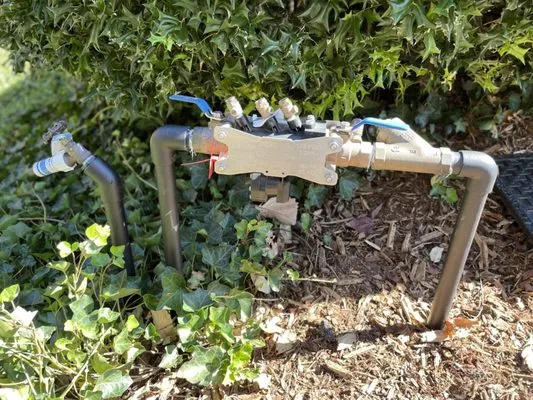
River City Irrigation
River City Irrigation is a family-owned and operated business proudly serving Ringgold and the surrounding communities with over three decades of reliable service. As a locally trusted provider, we ar...
Messimer Ridge Plumbing & Maintenance is your trusted, local solution for a wide range of home repair needs in Cohutta, GA. We specialize in both plumbing and electrical services, offering everything ...
Rooter Pros LLC is a family-owned plumbing and drain service company serving Cohutta, GA, and the surrounding communities. We operate on a simple principle: upfront, honest service at fair prices, wit...
J&E Plumbing has been serving the Ringgold community since 2015, building on over 25 years of plumbing experience that began in 1999. Founded by a local plumber who wanted to offer professional instal...
Appalachian Electric & Plumbing is a trusted, family-owned business serving Etowah and the surrounding McMinn County area. We believe our relationship with our customers is our most important asset. O...
HEP is on the way
HEP Services is a family-owned and operated home maintenance company serving Knoxville and East Tennessee since 2002. Founded with deep roots in the local community, we've grown from our beginnings in...
American Leak Detection in Knoxville is locally owned and operated by Jeff and Trina, who have been serving East Tennessee since 2004. Jeff, a working owner and leak detection specialist with a backgr...
Estimated Plumbing Costs in East Cleveland, TN
Q&A
Why are my 1970s copper pipes suddenly leaking?
Copper pipes installed around 1979 are prone to joint calcification and pinhole leaks. Over decades, mineral scale from hard water builds up internally, creating corrosive spots that eat through the pipe wall. This failure often starts at solder joints or where pipes contact dissimilar metals without a proper dielectric union.
Does the hard water from the Hiwassee River damage my plumbing?
Yes. Water sourced from the Hiwassee River basin is high in minerals like calcium and magnesium. This scale buildup reduces pipe diameter over time, lowering water pressure. It also coats heating elements in water heaters, forcing them to work harder and fail sooner. Fixture cartridges and valve seats wear out faster under this abrasive mineral load.
Who handles permits for a water heater replacement in Cleveland?
The Cleveland Building and Inspections Department requires permits for most major plumbing work. As a master plumber licensed by the Tennessee Department of Commerce and Insurance Board of Plumbing Examiners, I pull those permits and schedule the required inspections. This ensures the work meets current code, and you don't have to manage the red tape.
Could the hilly land around Cleveland Public Library cause plumbing issues?
Hilly terrain places constant stress on main sewer lines and water service lines. The slope can cause soil to shift or wash away during heavy rains, potentially leaving pipes unsupported. This stress leads to bellies in sewer lines or cracked fittings. Proper bedding and periodic camera inspections are critical for homes on these slopes.
How fast can a plumber get to my house in East Cleveland?
Heading past Cleveland Public Library onto I-75, a dispatch route to most neighborhoods takes 20 to 30 minutes. Traffic on 411 and around the university can add time during peak hours. We plan routes to account for these variables to ensure a predictable arrival window for your service call.
My house near Lee University was built in 1979. What kind of plumbing problems should I expect now?
Your copper plumbing is about 47 years old. At this age, copper pipes in East Cleveland homes often develop pinhole leaks. The metal simply wears thin from decades of water flow and the minerals in our hard water. Homeowners in the Lee University District frequently call about small, persistent leaks behind walls or under slabs that eventually cause water damage.
What's one thing I should do each spring to avoid a plumbing disaster?
Before the spring thaw hits its peak, disconnect and drain all outdoor hoses. A hose bib that freezes and thaws can crack the valve seat inside your wall, leading to a major leak when you finally turn the water back on. This simple step protects a vulnerable point in our temperate climate where overnight lows can still dip near freezing.
As a suburban homeowner, what's my biggest plumbing risk?
In East Cleveland's suburban setting, the most common issue is tree root intrusion into the sewer lateral. Municipal water pressure is generally stable, but that lateral line from your house to the main sewer is your responsibility. Roots seek moisture and can infiltrate even small pipe joints, causing complete blockages that require professional jetting or excavation.
