Top Emergency Plumbers in Dayton, TN, 37321 | Compare & Call

There are 73 plumbing companies server in Dayton TN
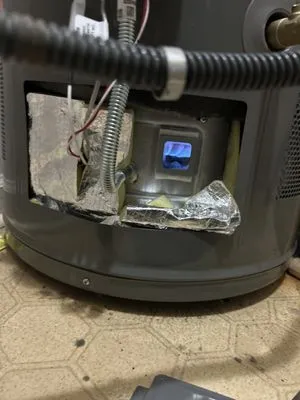
Mandoz Construction & Home Solutions is a locally owned and operated business in Dalton, GA, founded on a decade of hands-on experience in the trades. Growing up working alongside my father, I learned...
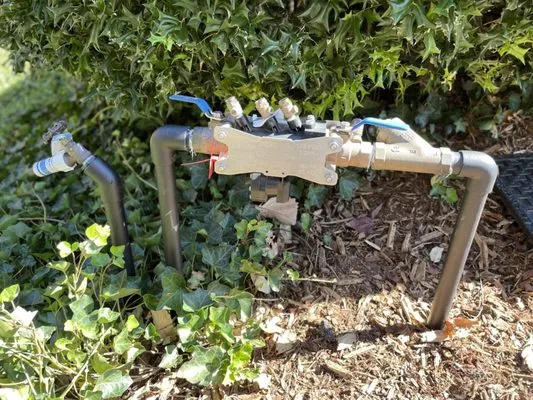
River City Irrigation
River City Irrigation is a family-owned and operated business proudly serving Ringgold and the surrounding communities with over three decades of reliable service. As a locally trusted provider, we ar...
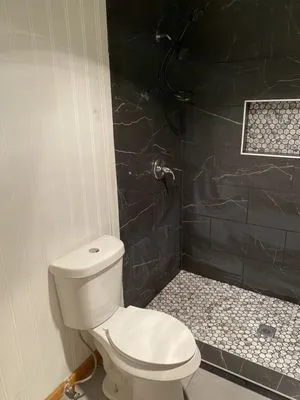
RJB Renovations is a trusted home improvement partner serving Ringgold and the greater North Georgia area. Founded in 2018, we are a certified deck builder and full-service remodeler dedicated to turn...
Rooter Pros LLC is a family-owned plumbing and drain service company serving Cohutta, GA, and the surrounding communities. We operate on a simple principle: upfront, honest service at fair prices, wit...
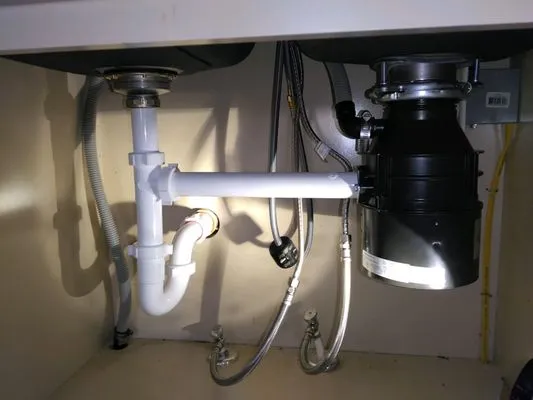
The Plumbing Pros of East Tennessee is a family-owned and operated plumbing service based in Sweetwater, TN, with over 25 years of experience. We specialize in residential plumbing, offering a compreh...

Appalachian Electric & Plumbing is a trusted, family-owned business serving Etowah and the surrounding McMinn County area. We believe our relationship with our customers is our most important asset. O...

C&R Pump Service in Spring City, TN, is a family-owned business with over 50 years of combined experience dedicated to ensuring reliable water access for our community. Founded by the Smith family in ...
Clean & Clear Plumbing
Clean & Clear Plumbing is a family-owned and operated business serving Lenoir City and the surrounding region for over three generations. Rooted in a belief in doing things right the first time, we un...
American Leak Detection in Knoxville is locally owned and operated by Jeff and Trina, who have been serving East Tennessee since 2004. Jeff, a working owner and leak detection specialist with a backgr...
Feezell Total Maintenance is a trusted local provider in Athens, TN, offering comprehensive plumbing and electrical services to address common homeowner challenges. With expertise in bathtub repair, d...
Estimated Plumbing Costs in Dayton, TN
Q&A
Can the hilly land around Dayton cause plumbing issues?
The slope of Dayton Mountain puts constant, uneven stress on your main water service line and sewer lateral. Over time, this can cause joints to separate or pipes to sag, creating low spots that collect debris and lead to blockages. For drainage, the hill's grade must direct water away from your foundation; otherwise, hydrostatic pressure can push water into basement walls or footings, risking foundation cracks that can damage buried plumbing.
Does hard water from the Tennessee River damage my plumbing fixtures?
Yes, the mineral content leads to significant scale buildup. Inside water heaters, this limestone-like coating acts as an insulator, forcing the unit to work harder and burn out heating elements prematurely. On faucets and showerheads, scale restricts flow and can corrode internal rubber seals and cartridges, causing drips and reduced pressure. A whole-house water softener is the most effective defense against this progressive damage.
Are there different plumbing concerns for a rural home in Rhea County versus in town?
The primary difference is the water source and waste system. Rural homes typically rely on a private well and a septic system, requiring maintenance on the well pump, pressure tank, and periodic septic pumping. In-town Dayton homes connect to municipal water and sewer, where concerns shift to managing city water pressure and potential root intrusion into the lateral line where it meets the main sewer in the street.
What permits are needed for a water heater replacement in Dayton, and who handles that?
The Dayton Building and Codes Department requires a permit for a water heater replacement, as it involves both plumbing and gas or electrical connections. As a licensed master plumber credentialed by the Tennessee Department of Commerce and Insurance Board for Licensing Contractors, I pull the permit, schedule the required inspections, and ensure the installation meets all current code. This manages the red tape so you don't have to navigate city hall yourself.
Why does my 1970s copper pipe keep springing pinhole leaks?
Copper pipe installed around 1979 often suffers from a combination of age-related wear and the specific chemistry of our water. Over decades, the protective interior oxide layer can break down, leading to localized corrosion called Type I pitting. This creates weak spots that eventually perforate. The issue is compounded in homes where original solder joints contained high lead content, which can accelerate galvanic corrosion at the fittings.
How quickly can a plumber get to my house in Dayton Mountain?
A standard dispatch from Dayton starts by crossing the Tennessee River bridge and heading north on US-27. Barring traffic, that route takes about 30 to 45 minutes to reach most homes on the mountain. We factor in the winding roads and elevation changes when estimating arrival, aiming for the lower end of that window during normal business hours.
My house was built in the late 70s. What plumbing problems should I expect in Dayton?
Your copper plumbing is now 47 years old, which is near the end of its typical service life for our area. Homeowners on Dayton Mountain are commonly seeing pinhole leaks appearing in horizontal runs, especially in areas with high water velocity. The copper has been thinning from decades of water flow and the mineral content from the Tennessee River. This corrosion often shows up first as small, damp spots on walls or ceilings before a full breach occurs.
What's the most important thing to do for my plumbing before a cold snap in Dayton?
The key is to act before the temperature hits 29 degrees Fahrenheit. Disconnect and drain all garden hoses from exterior spigots. For homes on piers or with crawl spaces, ensure all vents are closed to protect pipes under the house. Letting a faucet on an exterior wall drip slightly can also prevent pressure buildup from freezing. These steps are more critical during the spring thaw when nights are still cold but daytime warming has already started the freeze-thaw cycle in the ground.
