Top Emergency Plumbers in Coopertown, TN, 37032 | Compare & Call

There are 175 plumbing companies server in Coopertown TN
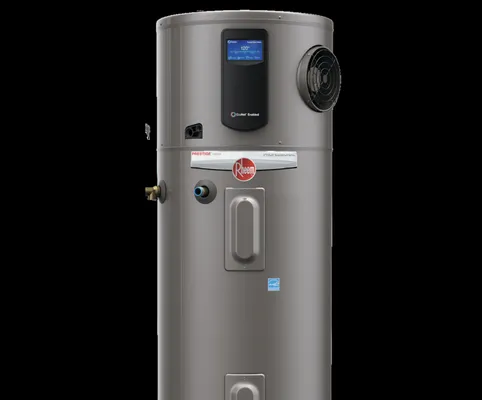
Goodnight's Plumbing & Repair is a locally owned and operated plumbing service serving Franklin, KY, and the surrounding communities. We provide a comprehensive range of services for homes and busines...
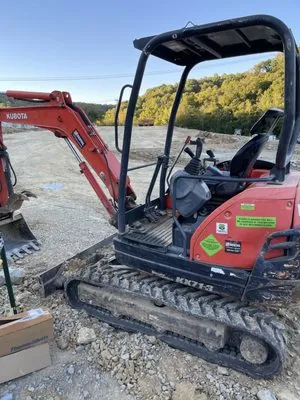
Legends Home Maintenance & Backhoe Service is a trusted, full-service provider for Hopkinsville homeowners and businesses. We combine expert electrical work with comprehensive plumbing and excavation ...
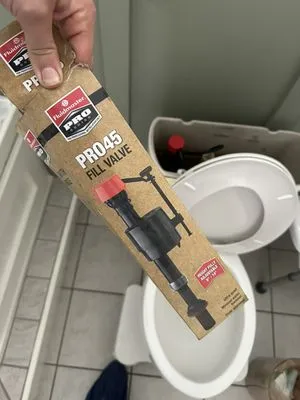
Doctor Drips is a family-owned plumbing company that has served the Nashville community since 2018. Founded in 2016, the company is built on a foundation of trust, treating every client like family. T...
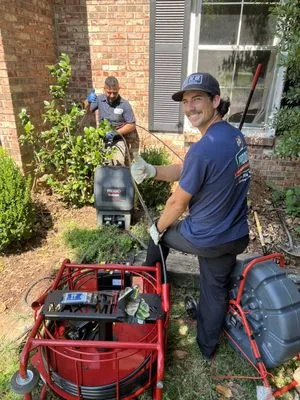
Prodigy Plumbing Sewer & Drain | Franklin & Nashville Plumber
Prodigy Plumbing Sewer & Drain is your trusted local plumbing partner serving Franklin and the greater Nashville area. We specialize in comprehensive plumbing, sewer, and drain services, from routine ...
Jack Ward & Sons Plumbing
Jack Ward & Sons Plumbing Co. has been a trusted name in Middle Tennessee since 1947. Founded by Jack Ward on principles of hard work, integrity, and customer satisfaction, this family-owned business ...
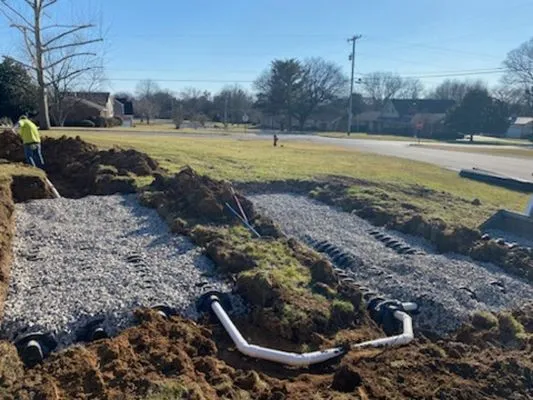
Michael Shaver Plumbing & Septic Pumping
Michael Shaver Plumbing & Septic Pumping is a family-owned and operated business serving Hendersonville and the greater Nashville area. Founded in 2012 by Michael Shaver, who began his plumbing educat...

Roscoe Brown
Roscoe Brown, Inc. is a family-owned HVAC and plumbing service provider serving Middle Tennessee since 1940. Founded by Roscoe Brown as a tin shop, the business has grown through three generations of ...
Brentwood Star Plumbing
Brentwood Star Plumbing is a trusted, family-run plumbing service established by a father and son team right here in Brentwood, TN. Our mission is simple: to deliver dependable, high-quality solutions...
At USA Plumbing in Ashland City, we understand that plumbing problems are more than just an inconvenience—they disrupt your home and peace of mind. Our mission is to take the stress out of the equatio...
The American Dream Plumbing is a family-owned and operated business in Bumpus Mills, TN, founded on three generations of plumbing expertise. Dylan, alongside his father who has over 30 years of experi...
Estimated Plumbing Costs in Coopertown, TN
Question Answers
Do I need a permit to replace my water heater in Robertson County?
Yes, the Robertson County Building Department requires a permit for water heater replacement to ensure the installation meets current code for safety and expansion tanks. As a licensed master plumber, I pull that permit, schedule the inspection, and handle all the red tape with the state. My credentials are filed with the Tennessee Department of Commerce and Insurance, so the paperwork is my responsibility, not yours.
My house was built in the late 90s, are my pipes getting old?
Homes built around 1997, especially in Coopertown Center, have copper piping that is now 29 years old. That's the age where we see the first wave of pinhole leaks from internal corrosion. Homeowners often notice small, damp spots on drywall or a slight drop in water pressure before a full breach occurs. This is a normal lifespan issue for copper in our area, not a defect.
Could the hilly land around here be causing my drainage issues?
Absolutely. The slope around properties, especially near Coopertown City Hall, puts constant, uneven stress on underground sewer mains and water service lines. Over time, this can cause joints to separate or pipes to sag, creating low spots where waste collects and blocks flow. For drainage, gravity is your friend, but a steep hill can also cause surface water to channel toward your foundation if the grading isn't maintained.
How fast can a plumber get to me in Coopertown?
From our local dispatch, heading past Coopertown City Hall on US-431 is the main route to most calls. Traffic is typically light, so once we're rolling, we can cover ground quickly. For most service areas within the town limits, you can expect a truck on-site within that 45 to 60 minute window. We plan routes to minimize your wait.
Why does my copper plumbing keep springing pinhole leaks?
Copper pipes installed in 1997 are susceptible to a specific type of corrosion called pitting. Over nearly three decades, minerals in our hard water create scale that traps water against the pipe wall, leading to localized corrosion and eventual pinhole failures. This often happens at solder joints or where pipes contact dissimilar metals without a proper dielectric union. It's a predictable failure mode for this vintage of pipe.
Does water from the Cumberland River cause problems for my appliances?
The river contributes to our very hard water, which means high mineral content. That calcium and magnesium forms scale buildup inside pipes and appliances. Your water heater's heating elements get coated, forcing it to work harder and fail sooner. You'll also see reduced flow at showerheads and faucet aerators from mineral deposits. A whole-house water softener is the most effective long-term defense for your hardware.
What's the most important thing to do before winter in Coopertown?
Our temperate climate means freezing isn't constant, but those 28-degree overnight lows are the real threat. The pro-tip is to disconnect and drain all outdoor hoses before the first hard freeze, and make sure the interior shut-off valve for each outdoor spigot is fully closed. A slow drip on interior faucets during a deep freeze can also prevent pressure buildup in pipes that run through uninsulated crawl spaces or exterior walls.
Are there different plumbing concerns for rural homes here versus in town?
Yes, the primary difference is the water source and waste system. Rural homes here typically rely on a private well and a septic system, not municipal lines. That means maintaining the well pump and pressure tank, and scheduling regular septic tank pumping every 3-5 years is critical. In-town homes connect to Robertson County utilities, so concerns shift to main line blockages or pressure fluctuations from the public supply.
