Top Emergency Plumbers in Blaine, TN, 37709 | Compare & Call

There are 164 plumbing companies server in Blaine TN
The Plumbing Authority
The Plumbing Authority is a locally owned and operated plumbing service in Knoxville, TN, with deep roots in the trade spanning four generations. Founded by Bryan, a licensed master plumber who grew u...
SMK Plumbing & Electric is your trusted, licensed home service company in Knoxville, TN. We specialize in both electrical and plumbing work, offering everything from circuit breaker and electric panel...
Zoom Drain Knoxville is your local plumbing and drain specialist, ready to solve problems for homes and businesses throughout the area. We're built on a promise of being fast, focused, and getting the...
The Plumbing Pros of East Tennessee is a family-owned and operated plumbing service based in Sweetwater, TN, with over 25 years of experience. We specialize in residential plumbing, offering a compreh...

Greg Monroe Plumbing is your local Knoxville plumbing resource, offering a full suite of services for both residential and commercial properties. As a licensed Master Plumber with over 15 years of exp...

Stephens Plumbing is a veteran-owned and operated plumbing service proudly serving Oak Ridge, Tennessee, and the surrounding communities. We bring a disciplined, reliable approach to every plumbing ch...
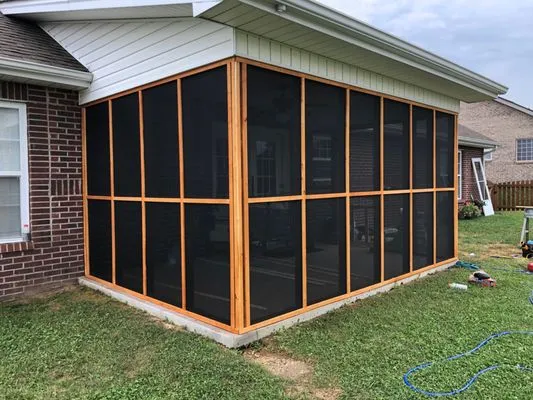
Handy Jim Home Repair has been a trusted local resource for Walland homeowners since 2005, serving Blount, Knox, Sevier, and Loudon counties. We focus on practical, reliable solutions for a wide range...
Forrest The Plumber is a trusted, locally owned plumbing service in Seymour, Tennessee. With nearly three decades of hands-on experience, owner Forrest brings deep expertise in both residential and co...

Lee Company
Since 1944, Lee Company has been a trusted, family-owned partner for homeowners and businesses in Farragut, TN. Founded by Leon Lee, we've grown from a single service provider into a comprehensive res...
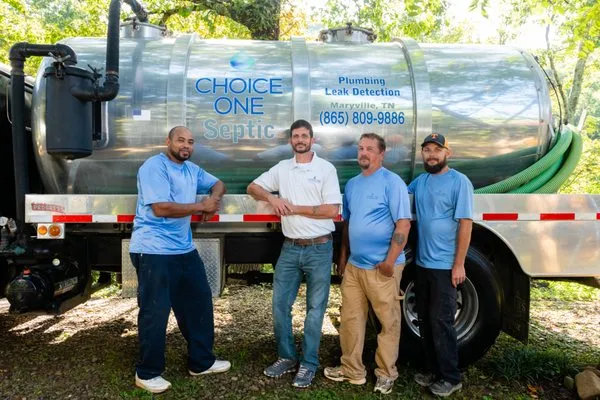
Choice One Plumbing is a licensed and insured plumbing company serving Maryville, TN, and surrounding areas since 2018. Founded by Robert Rutherford, who brings over 15 years of plumbing experience, t...
Estimated Plumbing Costs in Blaine, TN
FAQs
How quickly can a plumber get to me in Blaine if I have a burst pipe?
A dispatch from my shop takes 45 to 60 minutes. Heading past the Holston River on US-11W is the main route into the community. I plan for that transit time so when you call, I am already loading the truck with the parts commonly needed for our local infrastructure, like copper repair couplings and dielectric unions.
What is the one thing I should do each winter to prevent frozen pipes in Blaine?
Disconnect and drain your garden hoses every fall. A forgotten hose bib is the most common freeze point. Our winter lows around 28°F are mild enough that a catastrophic freeze is rare, but those overnight dips can still burst an unprotected exterior faucet. Shutting off the interior valve to the bib and draining it is a five-minute job that prevents a major repair.
Could the hilly land around here cause sewer or water line problems?
Yes, the slope puts constant stress on the main water line and sewer lateral. Over decades, soil shifting on a hill can cause a joint to separate or a pipe to sag, creating a belly that collects debris. For properties near the Holston River, the soil is often more erosive, which can undermine pipe support. A slow drain or a sudden drop in water pressure can indicate this type of terrain-related failure.
Why are my 1999 Blaine home's copper pipes starting to leak now?
Homes built around 1999 have copper pipes that are now 27 years old. In our area, this is the typical lifespan where pitting corrosion from hard water begins to cause failures. Homeowners in Blaine City Center are seeing the first round of pinhole leaks, often behind walls or under slabs, as the protective oxide layer inside the pipe wears thin. It is a predictable maintenance point, not a random emergency.
What is the most common plumbing repair for a Blaine house built in the late 90s?
The most frequent repair is replacing sections of copper line due to pinhole leaks. By 27 years, the internal scaling from our hard water creates uneven surfaces that accelerate localized corrosion. We also see solder joints at fixtures beginning to fail from decades of thermal expansion and contraction. The repair typically involves cutting out the compromised section and installing a new sweat or press fitting.
Are septic tank issues different for rural Blaine properties compared to city water?
They require a different protocol. Homes on septic must manage the entire waste system, where a plumbing backup often signals a full tank or a failing drain field, not a city sewer clog. For homes on a private well, pump pressure and water quality become direct homeowner responsibilities. Understanding whether your issue is inside the house or in the external system is the first critical step.
Do I need a permit to replace my water heater in Grainger County?
Grainger County Building Inspections requires a permit for water heater replacement, which includes a pressure and relief valve inspection. As a licensed master plumber credentialed by the Tennessee State Board of Examiners for Contractors, I pull that permit and schedule the inspection as part of the job. Handling the red tape and ensuring the installation meets code is my responsibility, not yours.
Does water from the Holston River ruin water heaters and faucets?
The river itself is not the issue, but the dissolved minerals it carries create very hard water. That hardness forms scale buildup. Inside a water heater, scale acts as an insulator on the heating elements, forcing them to work harder and fail sooner. On faucet cartridges and shower valves, the abrasive scale grinds away at seals and restricts flow, leading to drips and low pressure.
