Top Emergency Plumbers in Parker, SD, 57053 | Compare & Call

There are 15 plumbing companies server in Parker SD
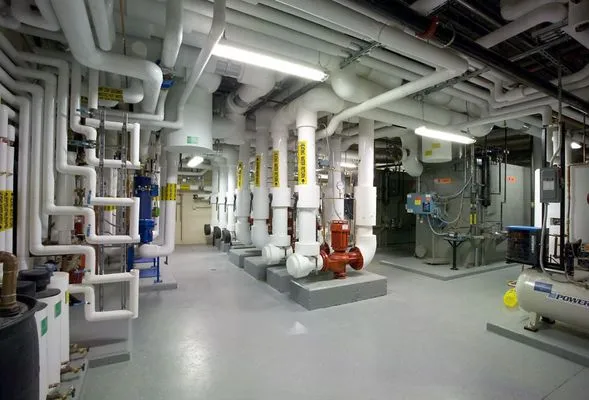
Midwestern Mechanical
Midwestern Mechanical has been a trusted provider of plumbing, heating, HVAC, and fire protection services in Sioux Falls and the surrounding region since 1983. Founded by Dwayne Klarenbeek, the compa...

Lou's Plumbing & Heating is a full-service, family-owned plumbing contractor in Sioux Falls. Founded with a personal touch, the business is lovingly named after the owner's daughter, Louise, with a vi...
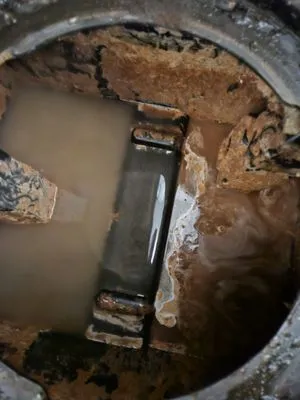
Kingdom Sewer Services is a locally owned and operated plumbing business in Gayville, SD, founded by a professional who brings years of experience from working in Duluth, MN. After three years in the ...
Roger's Plumbing & Heating
Roger's Plumbing & Heating has been a trusted name in Sioux Falls since 1983. Founded by Roger, who has been in the industry since 1977 and holds Master Plumbing and HVAC Contractor licenses, the comp...
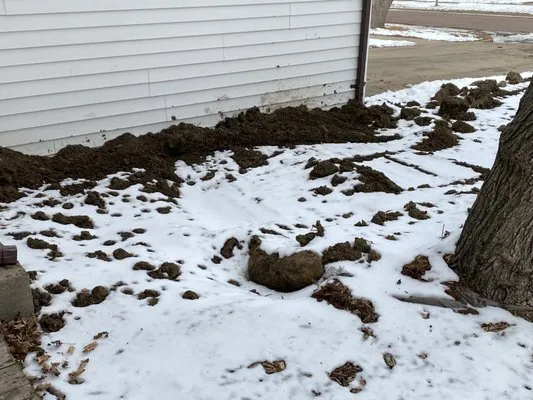
Comfort Heroes Plumbing Heating Air Electric
Founded in 2014, Comfort Heroes Plumbing Heating Air Electric has grown from a dedicated local idea into a trusted Sioux Falls home service provider. Our journey is built on a simple, powerful promise...
Handyman JG is your reliable, Sioux Falls-based handyman and plumbing specialist. As a one-person crew, I, JG, offer honest, upfront service with a personal touch. We'll start with a free consultation...
Howe
For over 75 years, Howe Inc. has been a trusted name in Sioux Falls, providing reliable plumbing, heating, cooling, and fire protection services to both homes and businesses. Our long-standing presenc...
Affordable Home Maintenance is your trusted local handyman service in Sioux Falls, SD, dedicated to keeping homes safe, functional, and well-maintained. We specialize in a wide range of services inclu...
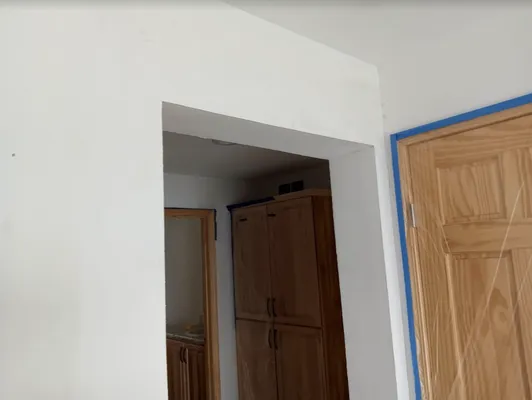
Da Best Handyman Services is Buffalo Ridge's trusted local provider for comprehensive home repair and improvement. We specialize in resolving the area's frequent plumbing issues, such as stubborn drai...

Ten82 Home Services brings a solution-oriented approach to Sioux Falls homes. With deep, formal training in the trade, we focus on accurately diagnosing problems, developing effective solutions, and i...
Estimated Plumbing Costs in Parker, SD
Question Answers
I have a small, persistent leak in my basement. Could it be my old pipes?
Absolutely. With galvanized steel from the mid-60s, pinhole leaks from internal corrosion are very common. The joints are also prone to failure because the threaded fittings corrode at a different rate than the pipe itself. What starts as a small drip often indicates widespread weakness in the system.
As a rural homeowner outside of town, what plumbing systems do I need to understand?
Your setup is different from municipal services. You're responsible for your private well and pressure tank, and almost certainly a septic system and drain field. Water quality treatment for hardness and iron is common, and knowing the signs of septic failure—like slow drains or soggy ground over the field—is critical for maintenance.
My water pressure has dropped and the water looks rusty. What's happening to my pipes in Parker?
Galvanized steel was the standard material here around 1965. At 61 years old, those pipes are well past their service life. Homeowners near Parker City Center are now seeing severe internal corrosion and scale buildup, which drastically reduces the pipe diameter and causes the low pressure and rust-colored water. This isn't a temporary issue; it's the end stage of the pipe's lifespan.
What's the most important thing I should do to my plumbing before winter in Parker?
Disconnect and drain your garden hoses every fall. That 7-degree low isn't a joke, and a forgotten hose bib is the most common cause of a frozen pipe burst. The real danger often comes during the spring thaw when previously frozen sections finally give way under pressure.
How fast can a plumber get to my house in Parker in an emergency?
For a true emergency, my dispatch route typically starts by heading past the Turner County Courthouse on US Highway 18. From there, I can access most of the town and surrounding rural addresses. A standard 45-60 minute response window is realistic, but I always call ahead with a more precise ETA once I'm on the road.
Do I need a permit to replace my water heater or re-pipe my house in Turner County?
Yes, most major plumbing work requires a permit from Turner County Planning and Zoning. As a master plumber licensed by the South Dakota State Plumbing Commission, I pull those permits and schedule the required inspections as part of the job. I handle that red tape so you don't have to worry about compliance or future sale issues.
Why does my water heater keep failing or my faucets get clogged with white stuff?
Our water comes from the Vermillion River aquifer and is very hard. That white scale is mineral buildup. Inside your water heater, this scale acts as an insulator on the heating elements, making it work harder and fail prematurely. On faucet aerators and showerheads, it simply clogs the small openings over time.
My basement floor drain backs up when it rains hard. Is that a town problem or mine?
The flat, plain terrain around here means stormwater doesn't run off quickly. If the main sewer line leaving your home has even a slight belly or break, it can become a collection point for groundwater. This puts hydrostatic pressure on the pipe and can force water back up through the lowest point, which is usually that floor drain.
